

Custom orthopedic insoles are prescription-grade shoe inserts molded directly from your own feet to correct alignment, cushion pressure points, and relieve chronic pain that off-the-shelf products simply cannot fix. Unlike generic insoles sold at a pharmacy, these devices start with a cast, foam impression, or 3D scan of your specific foot structure. A trained professional then fabricates the insole to match your gait (the way you walk), your arch height, and how your weight shifts across your foot with every step. If heel pain, flat feet, or standing fatigue has never fully resolved with a store-bought insert, understanding exactly how custom orthopedic insoles are built, what they cost, and who truly needs them will help you decide with confidence.
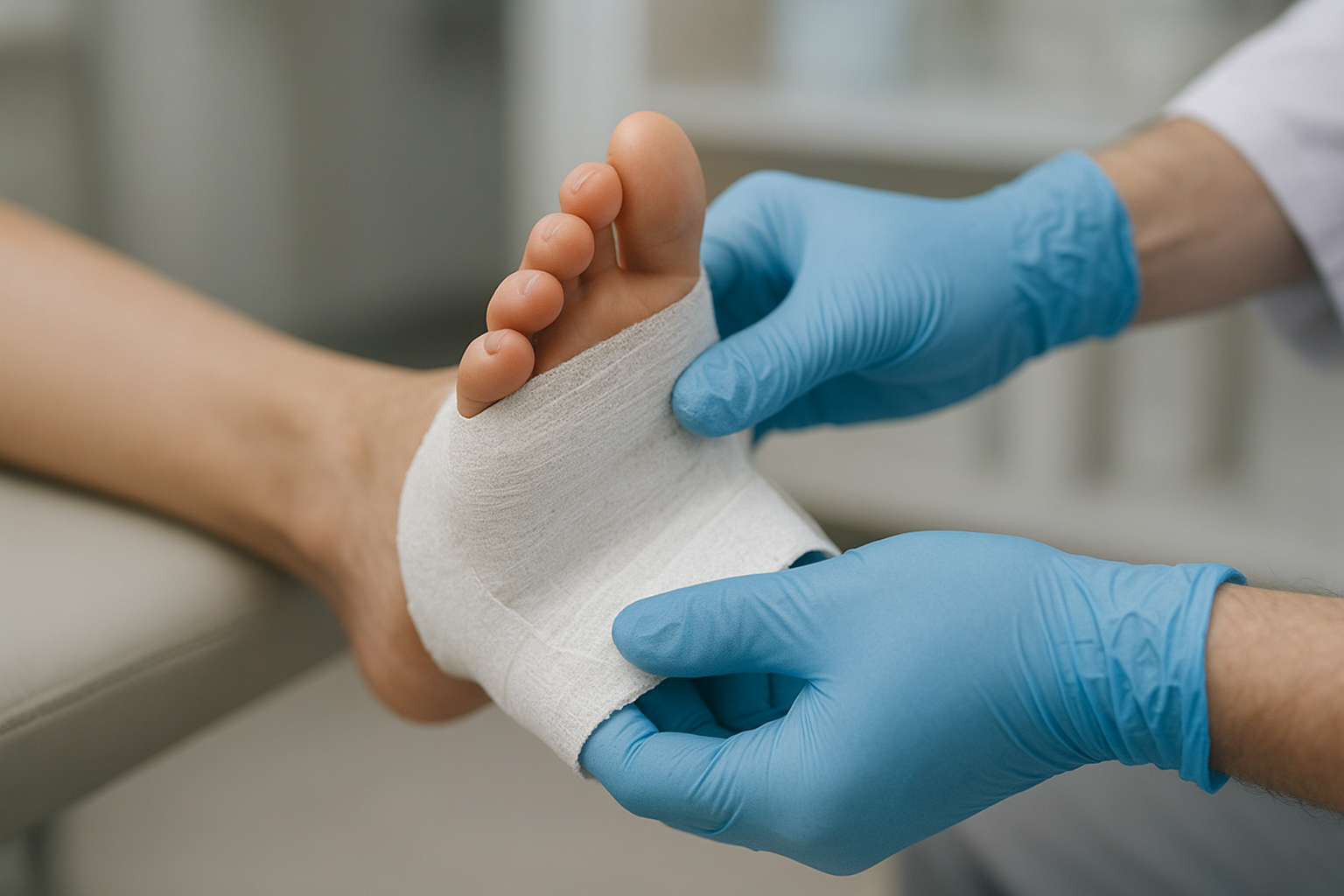
A precise foot mold or 3D scan is the foundation of every pair of custom orthopedic insoles.
What Are Custom Orthopedic Insoles?
In short, custom orthopedic insoles are inserts built from a physical mold or digital scan of your foot, engineered to support your specific arch, heel, and pressure zones. Because the process starts with your own foot rather than an average mold, these devices can correct structural problems that generic insoles are simply not shaped to address.
According to the Wikipedia overview of orthotics, these devices are used clinically to treat, adjust, or prevent movement-related disorders. Podiatrists typically recommend custom orthopedic insoles only after a physical exam and gait analysis, rather than as a first-line fix, since not every foot condition requires a fully custom device. For milder discomfort, a well-cushioned prefabricated insole from our everyday comfort insoles guide may be enough before you consider a custom fit. However, if pain persists beyond a few weeks, a custom device usually becomes the more effective long-term solution.
3D Scanning vs. Traditional Casting: How Custom Foot Orthotics Are Captured
Two main capture methods exist for building custom foot orthotics, and the technology you choose affects accuracy, comfort, and turnaround time. Traditional plaster casting involves wrapping the foot in a wet plaster bandage while it is held in a neutral, corrected position, letting it set, then shipping the mold to a lab. This method has been used for decades and remains highly accurate, particularly for complex deformities.
In contrast, digital 3D scanning uses a handheld or platform-based scanner to capture thousands of data points across the foot's surface in seconds. As a result, the process is faster, mess-free, and produces a file that can be stored, adjusted, and reordered digitally without taking a brand-new mold. Specifically, 3D scanning also makes it easier for a lab to fine-tune density and shape before a single layer of material is cut.
That said, neither method is universally "better" — plaster casting still outperforms scanning for certain severe deformities where the foot needs to be manually held in a corrected position during capture, while scanning wins on convenience and consistency for most routine cases. A skilled podiatrist will choose the capture method based on your specific foot structure rather than defaulting to whichever technology their office happens to own.
| Feature | Plaster/Foam Casting | 3D Digital Scanning |
|---|---|---|
| Capture time | 5–10 minutes, plus dry time | Under 60 seconds |
| Mess level | Moderate (wet materials) | None |
| Best for | Severe deformities, rigid correction needs | Routine fittings, remote/mail-in orders |
| Reorder ease | Requires a new mold | File stored digitally for future reorders |
Custom Orthopedic Insoles vs. Off-the-Shelf Inserts
Off-the-shelf inserts are mass-produced in a handful of standard sizes and arch shapes. In contrast, custom orthopedic insoles are shaped around the exact contours of your foot, which means pressure gets distributed where you actually need it rather than where an average foot needs it.
Consequently, people with moderate to severe structural issues — such as overpronation (the ankle rolling inward too far), leg-length differences, or diabetic foot changes — tend to see noticeably better outcomes with a custom device. For a deeper side-by-side comparison, our detailed breakdown of custom orthotics versus prefabs walks through cost, durability, and effectiveness in more detail, and a related analysis on how custom orthotics compare to prefabricated options covers similar ground from a clinical angle. Furthermore, our podiatrist-recommended insoles buying guide is a useful next stop if you are still weighing both options.
Common Foot Conditions Treated With Custom Orthotic Support
Custom orthotic support is prescribed for a wide range of conditions, not just general foot pain. Below are the conditions podiatrists treat most often with a custom device:
- Plantar fasciitis — inflammation of the band of tissue along the bottom of the foot, often causing sharp heel pain with the first steps of the day.
- Overpronation and oversupination — excessive inward or outward rolling of the foot during walking, which strains the ankles, knees, and hips over time.
- Bunions and hammertoes — structural toe deformities that benefit from pressure redistribution away from the affected joint.
- Diabetic foot complications — reduced sensation and poor circulation that make custom pressure offloading critical for preventing ulcers.
- Morton's neuroma — a painful thickening of tissue around a nerve between the toes, often relieved with targeted metatarsal padding.
- Leg-length discrepancy and arthritis — conditions where a built-up heel or shock-absorbing layer reduces joint stress with every step.
Because diabetic patients face a much higher risk of foot ulcers and amputation, the CDC's guidance on diabetes foot care specifically recommends properly fitted footwear and offloading devices as part of routine prevention. Similarly, the Mayo Clinic's plantar fasciitis treatment overview lists orthotic devices among the first non-surgical interventions clinicians try before considering more invasive options.
Who Benefits Most From Personalized Orthotic Inserts?
Not everyone needs a custom device, but several groups consistently benefit from personalized orthotic inserts. For example, people with plantar fasciitis, bunions, diabetic neuropathy, or a noticeable limp often find that generic cushioning does not address the root cause of their pain.
In addition, workers who stand for eight or more hours a day frequently develop fatigue and joint strain that custom orthopedic insoles can directly relieve. If that describes your daily routine, our guide to the best insoles for standing all day explains what to look for beyond just cushioning. Athletes and older adults managing arthritis also report meaningful relief once their footwear matches their actual foot shape, and growing children with persistent toe-walking or flat-footedness are sometimes fitted as well under close podiatric supervision.
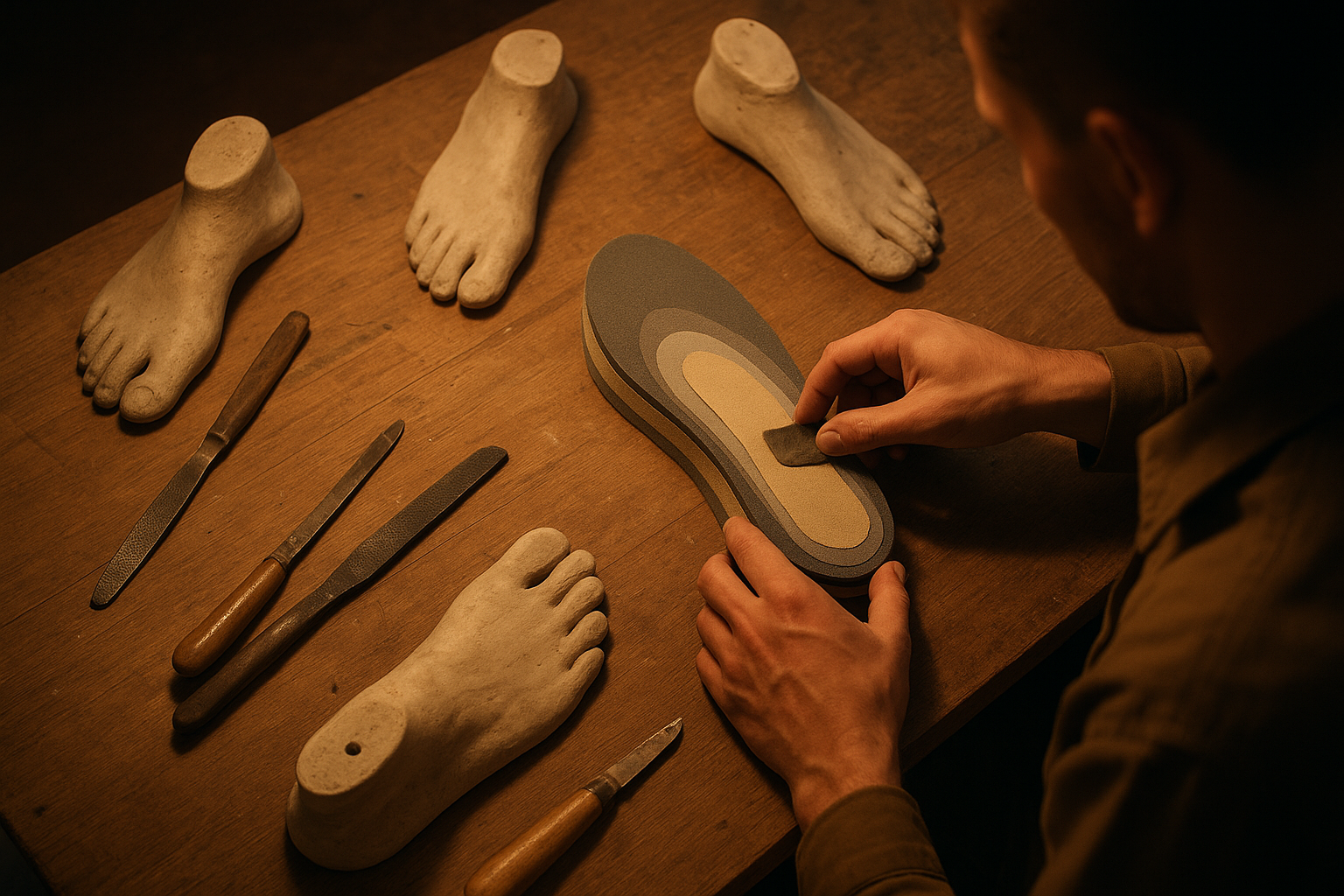
Each pair is hand-shaped in a lab from the patient's own foot mold before final fitting.
How Custom Orthopedic Insoles Are Made: Step-by-Step
The fabrication process follows a consistent sequence, whether the mold is taken in-office or a scan is submitted online. Here is what typically happens, step by step:
- Initial podiatric evaluation: the podiatrist reviews your symptoms, medical history, and activity level, then performs a gait analysis to identify exactly what is driving your pain.
- Foot mold or scan capture: a plaster cast, foam impression, or digital 3D scan records the foot's exact shape while it is held in a neutral, corrected position.
- Lab fabrication: technicians shape supportive materials directly over the mold, layer by layer, adjusting density based on your weight, activity level, and specific diagnosis.
- Fitting and adjustment: you try the finished insoles inside your own shoes while the podiatrist checks alignment and makes small, precise refinements on the spot.
- Follow-up visit: a short check-in within a few weeks confirms pain relief and allows further tweaks once your body has fully adjusted to the device.
Materials & Construction: What Goes Into a Pair of Custom Orthotics
The material a lab chooses directly affects how a device feels, how long it lasts, and which shoes it fits. Rigid orthotics are typically milled from polypropylene or carbon fiber, offering maximum control for severe alignment problems but less cushioning. Semi-rigid devices blend a firmer base layer with a softer top cover, striking a balance that works well for most everyday pain complaints.
Soft, accommodative orthotics use EVA foam or closed-cell padding and are generally reserved for diabetic patients or anyone needing shock absorption above structural correction. Above all, the right material depends on your diagnosis, body weight, and footwear — not on which option happens to be cheapest to produce. Our premium quality foot insoles guide breaks down these material trade-offs in more depth if you want to compare options before your fitting.
Key Benefits of Custom Orthopedic Insoles
Because custom orthopedic insoles are shaped to your body rather than an average foot, the benefits extend well beyond simple comfort:
- Targeted pressure relief under the heel, ball of the foot, or arch — wherever your gait analysis shows the most strain.
- Improved alignment through the ankles, knees, and lower back, since foot posture affects the entire kinetic chain (the connected system of joints that move together).
- Longer material lifespan compared with soft foam prefabs, which flatten out far faster under daily use.
- A precise fit inside athletic shoes, work boots, or dress shoes, depending on how the device is fabricated.
For readers who mainly need all-day comfort rather than a clinical fix, it is still worth reviewing our comfortable insoles guide before committing to a custom device.
What Do Custom Orthopedic Insoles Cost?
Therefore, when comparing prices, it helps to factor in the podiatric consultation, mold-taking, lab fabrication, and follow-up adjustment, since all of these steps are included in a custom orthopedic insoles order but absent from a store-bought purchase.
Does Insurance Cover Custom Orthopedic Insoles?
Many insurance plans partially reimburse custom orthopedic insoles once a podiatrist documents medical necessity, though coverage varies widely between providers and plans. Specifically, it helps to ask your insurer whether "orthotic devices" fall under durable medical equipment benefits, and whether a letter of medical necessity is required before ordering. In addition, many patients successfully use HSA or FSA funds toward the cost, since custom orthotics are generally classified as an eligible medical expense.
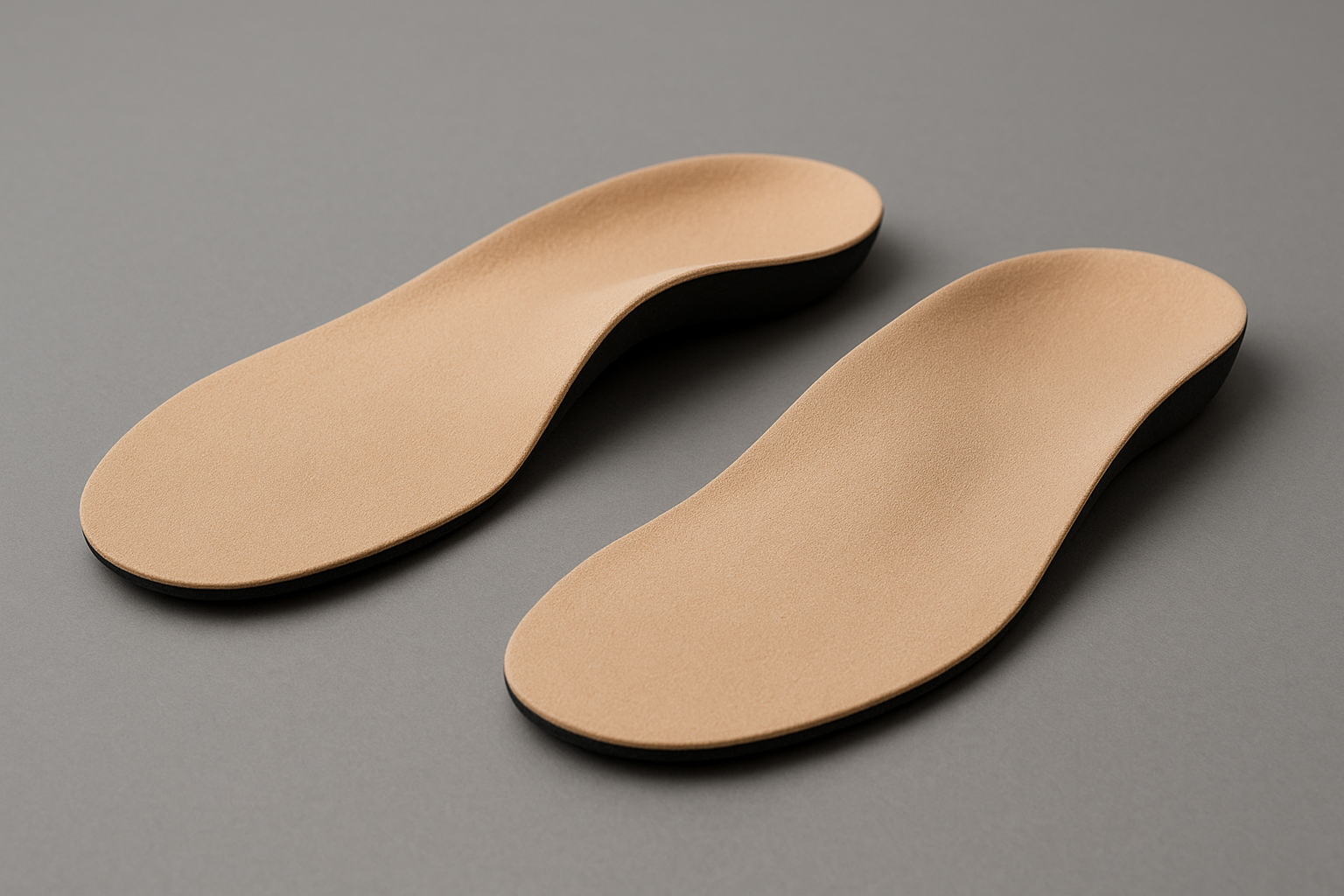
The finished pair of custom orthopedic insoles reflects the exact contours of the patient's foot mold.
Your First Appointment: What to Expect When Getting Custom Orthopedic Insoles
Most patients feel more comfortable walking into their first visit once they know exactly what will happen. A typical appointment runs 30 to 45 minutes and starts with a conversation about your pain history, footwear, and activity level. From there, the podiatrist watches you walk and stand barefoot to assess your natural biomechanics before taking any mold or scan.
Afterward, expect a two-to-three-week wait while the lab fabricates your insoles, followed by a fitting appointment where you try them inside your own shoes. Finally, a brief follow-up visit a few weeks later lets the podiatrist confirm the fit is working and make any last adjustments. Bringing the shoes you wear most often — work shoes, running shoes, or dress shoes — to every appointment helps ensure the final device actually fits where you will wear it daily.
Choosing a Provider for Custom Orthopedic Insoles
Since custom orthopedic insoles are a medical device, the provider matters just as much as the materials used. The American Podiatric Medical Association recommends working with a licensed podiatrist who personally evaluates your gait rather than relying on a mail-in kit alone. Before committing, it is worth asking a potential provider how they capture the mold, where the lab fabrication happens, and whether follow-up adjustments are included in the price.
This is the model followed at customorthotics.com, a podiatrist-owned practice with more than 20 years of experience and an A+ Better Business Bureau rating. Every pair is fabricated from an individual mold of the patient's own feet, and new patients can speak with the podiatrist directly for a complimentary phone consultation before ordering online. You can also read more about what makes customorthotics.com orthotics unique before deciding. Whether you are local or ordering remotely, you can visit customorthotics.com to start the process and see whether a custom fit is right for your feet.
Caring for and Replacing Your Custom Orthotic Insoles
Proper care extends the life of any custom orthotic insoles considerably. Wipe them down with a damp cloth rather than submerging them in water, and let them air dry away from direct heat, since high temperatures can warp the shell and distort the fit built around your foot.
Furthermore, rotate your insoles between two pairs of shoes if possible, since constant moisture exposure in a single shoe accelerates material breakdown. Most devices should be checked annually by your podiatrist and replaced every three to five years, or sooner if you notice cracking, flattening, or a return of your original symptoms. Significant weight changes, a new injury, or a change in daily activity level are all good reasons to schedule an earlier re-evaluation rather than waiting for the standard replacement window.
Frequently Asked Questions About Custom Orthopedic Insoles
What are custom orthopedic insoles?
Custom orthopedic insoles are inserts molded from an individual's own foot shape to correct alignment, distribute pressure evenly, and relieve pain that generic insoles cannot address. They are typically prescribed and fabricated by a podiatrist based on a cast, scan, or foam impression of the foot.
How do custom orthopedic insoles differ from over-the-counter insoles?
Over-the-counter insoles use a generic mold designed to fit an average foot shape, while custom orthopedic insoles are built from your exact foot contours. As a result, they offer more precise support for structural issues like flat feet, high arches, or uneven weight distribution.
How long do custom orthopedic insoles last?
Most custom orthopedic insoles last between three and five years with regular use, depending on activity level and the materials chosen. However, athletes or people on their feet all day may need replacements sooner due to faster material wear.
How much do custom orthopedic insoles cost?
Custom orthopedic insoles typically range from $200 to $800, compared to $30 to $70 for prefabricated versions found in stores. The higher cost reflects the podiatric evaluation, mold-taking process, and hands-on fabrication involved.
Are custom orthopedic insoles covered by insurance?
Many insurance plans partially cover custom orthopedic insoles when a podiatrist documents medical necessity, though coverage varies widely by provider and plan. It is worth calling your insurer directly and asking about orthotic device benefits before ordering.
How are custom orthopedic insoles made?
Custom orthopedic insoles are made by taking a mold or scan of the foot, then shaping supportive materials around that exact model in a lab setting. The finished device is fitted and fine-tuned during a follow-up visit to ensure proper comfort and alignment.
Who needs custom orthopedic insoles?
People with chronic heel pain, plantar fasciitis, flat feet, diabetes-related foot issues, or structural imbalances often benefit most from custom orthopedic insoles. In addition, athletes and individuals who stand for long shifts frequently use them to prevent fatigue-related injuries.
Can custom orthopedic insoles fix flat feet permanently?
Custom orthopedic insoles cannot permanently change bone structure, but they can significantly reduce pain and improve function by supporting the arch during movement. Consistent use often prevents the secondary problems, such as knee or back strain, that flat feet can cause.
Is there a break-in period for custom orthopedic insoles?
Yes, most people need one to two weeks to fully adjust to custom orthopedic insoles, gradually increasing wear time each day. Starting slowly helps the feet and lower legs adapt without soreness.
What common mistakes should I avoid with custom orthopedic insoles?
A common mistake is wearing custom orthopedic insoles in shoes that do not have enough depth or a removable liner, which prevents a proper fit. Another mistake is skipping the follow-up adjustment visit, which can leave minor fit issues unresolved.
Can custom orthopedic insoles fit any type of shoe?
Custom orthopedic insoles fit best in shoes with removable insoles and adequate depth, such as athletic shoes, walking shoes, and some work boots. They generally do not fit well in narrow dress shoes or sandals without structure.
How do I know if I need custom orthopedic insoles instead of prefab inserts?
If over-the-counter inserts have not resolved your foot, knee, or back pain after several weeks, custom orthopedic insoles are worth discussing with a podiatrist. A professional gait analysis can confirm whether your pain stems from a structural issue that only a custom fit can address.
How often should custom orthopedic insoles be adjusted or replaced?
Custom orthopedic insoles should be checked annually and replaced every three to five years, or sooner if the material flattens or cracks. Significant weight changes or new symptoms also warrant an earlier evaluation.
Do custom orthopedic insoles work for children's growing feet?
Yes, pediatric podiatrists sometimes prescribe custom orthopedic insoles for children with persistent flat feet, toe-walking, or sports-related pain. Because feet are still growing, these devices typically need re-fitting more often than an adult pair, usually every 12 to 18 months.
What is the difference between 3D-scanned and traditionally cast custom orthopedic insoles?
3D-scanned custom orthopedic insoles are captured digitally in seconds and stored for easy reordering, while traditionally cast insoles use a plaster or foam mold that better suits severe structural corrections. Both methods produce an accurate, personalized device when performed by an experienced podiatrist.
Can runners and athletes use custom orthopedic insoles during sports?
Absolutely — many runners and athletes use sport-specific custom orthopedic insoles fabricated with lighter, more flexible materials suited to athletic footwear. These devices are shaped the same way as standard orthotics but are tuned for shock absorption during high-impact activity.
Final Thoughts on Choosing Custom Orthopedic Insoles
In summary, custom orthopedic insoles offer a level of precision that generic inserts cannot match, since they are molded directly from your own feet rather than an average shape. From heel pain and flat feet to standing fatigue and diabetic foot care, a properly fitted custom device addresses the underlying cause rather than simply masking discomfort for a few hours at a time. Ultimately, if everyday inserts have not worked, speaking with a podiatrist about custom orthopedic insoles is a reasonable, well-supported next step toward lasting, pain-free movement.