

Custom arch support inserts are podiatrist-designed devices molded directly from an impression of your own feet, built to correct alignment, cushion pressure points, and relieve chronic pain that off-the-shelf insoles rarely fix. If you have ever tried a drugstore insole only to find the ache return within days, you already understand why a truly personalized fit matters. Below, we cover how these inserts are made, what conditions they treat, what they cost, how to order them online, and exactly how to choose the right pair for your feet — in more depth than any other guide online.
What Are Custom Arch Support Inserts?
Custom arch support inserts are orthotic devices created from a physical mold, digital scan, or cast of your foot, then fabricated to match its unique contours exactly. Unlike mass-produced insoles, they are designed for one specific foot structure. As a result, they address the actual cause of pain rather than simply padding the sole.
Podiatrists commonly recommend these devices for patients dealing with flat feet, high arches, plantar fasciitis, or general structural imbalances. According to Wikipedia's overview of orthotics, properly fitted devices can redistribute pressure and improve alignment throughout the lower body, not just the foot itself. For a deeper look at how arch support works in general, this guide on custom arch support breaks down the mechanics further.
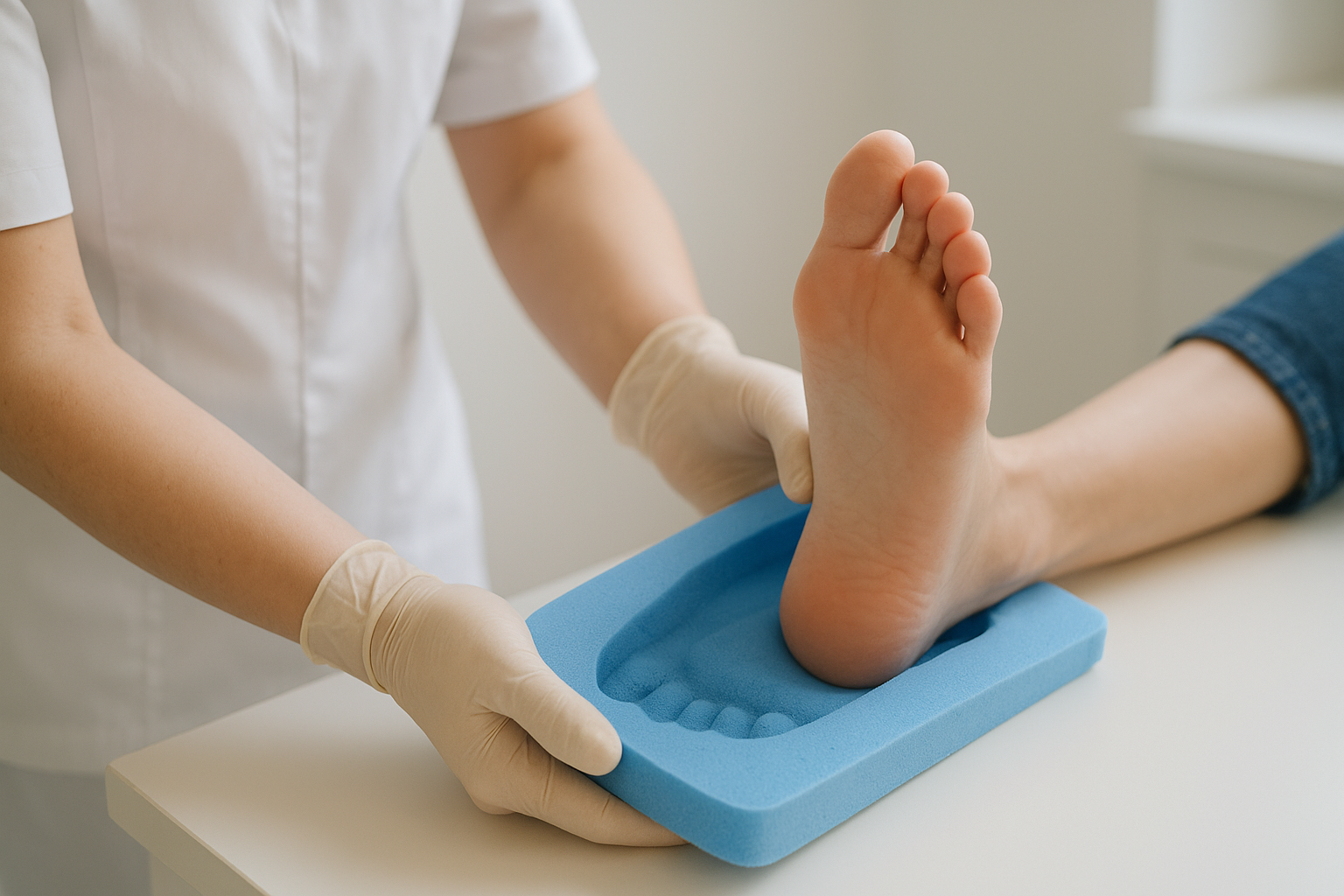
A precise foot mold is the foundation of every pair of custom arch support inserts. For a deeper walkthrough, see our Custom Foot Molds: Complete Guide to Getting Fitted.
Custom Arch Support Inserts vs. Store-Bought Insoles: What's the Real Difference?
Store-bought insoles are built around an average foot shape, so they rarely fit any single person perfectly. Custom foot orthotics, in contrast, are shaped around your actual anatomy, which means pressure gets distributed exactly where your foot needs support. Consequently, patients often notice a difference within the first few wears.
In addition, custom devices are typically more durable. A generic insole may last a season, while a well-made custom insert can hold its shape for several years. Here is how the two options stack up side by side:
- Fit: Custom inserts match your exact foot contours; store insoles fit an averaged, generic shape.
- Materials: Custom devices often use polypropylene shells or graphite composites; most drugstore insoles rely on basic foam.
- Lifespan: Custom inserts typically last three to five years; foam insoles often compress within three to six months.
- Correction: Custom devices correct biomechanical issues; store insoles mostly add temporary cushioning.
- Cost over time: Custom inserts cost more upfront, but replacement frequency often narrows the total cost gap within a few years.
Similarly, materials used in professional fabrication tend to resist compression better than foam sold at retail stores. If you want a closer comparison of premium options, this overview of premium insoles with good arch support is a useful next read.
Types of Custom Arch Support Inserts: Materials, Rigidity, and Length
Not every custom orthotic insert is built the same way. Understanding the main categories helps you have a more productive conversation with your podiatrist.
Rigidity: Rigid, Semi-Rigid, and Soft
Rigid shells, usually made from polypropylene or carbon graphite, offer maximum correction and work well for structural issues like severe overpronation. Semi-rigid devices blend a firm base with cushioned top layers, making them a common choice for everyday wear. Soft, accommodative inserts prioritize comfort over correction and are often recommended for diabetic foot sensitivity.
Length: Full-Length vs. Three-Quarter
Full-length inserts replace your shoe's entire factory insole and suit athletic or work footwear with removable liners. Three-quarter length inserts stop before the toes, which makes them easier to fit into dress shoes or narrow footwear where depth is limited.
Activity-Specific Builds
Runners typically need lighter shells with shock-absorbing top covers, while standing-all-day professions often benefit from firmer support with reinforced heel cups. Therefore, telling your podiatrist exactly how and where you'll wear the inserts matters just as much as the mold itself.
Common Foot Conditions Arch Support Insoles Can Help
Arch support insoles are prescribed for a wide range of conditions, not just tired feet after a long day. Below are some of the most common issues patients bring to a podiatrist before ordering a custom pair:
- Plantar fasciitis and chronic heel pain
- Flat feet or fallen arches
- Overpronation and ankle instability
- Bunions and metatarsal pain
- Diabetic foot sensitivity requiring pressure redistribution
- Achilles tendinitis linked to poor heel alignment
Notably, the American Podiatric Medical Association notes that structural foot problems, if left uncorrected, can eventually affect the knees, hips, and lower back. Therefore, addressing the root cause early with a properly fitted device often prevents larger mobility issues down the line.
Signs You May Need Custom Arch Support Inserts
How do you know whether a drugstore insole is no longer enough? In particular, watch for these warning signs:
- Sharp heel pain during the first steps out of bed, a hallmark symptom described by Mayo Clinic's plantar fasciitis overview
- Visible uneven wear on the outside or inside edge of your shoe soles
- Store-bought insoles that flatten out or lose support within a few weeks
- Knee, hip, or lower back discomfort that has no other obvious cause
- A noticeable inward roll of the ankle while walking or standing
If any of these sound familiar, it's worth exploring custom arch support solutions for lasting foot pain relief before the problem progresses further.
How Custom Arch Support Inserts Are Made: Step-by-Step Process
The fabrication process for custom orthotic inserts follows a fairly consistent sequence across most podiatrist-led practices. Here is what typically happens from your first call to the finished product:
- Book a consultation. Schedule a complimentary consultation so the podiatrist can review your symptoms, gait, and footwear habits before recommending a device.
- Capture your foot shape. A physical foam impression or digital scan captures the exact shape of each foot while it rests in a corrected, neutral position.
- Build the shell. Lab technicians use that mold to build a rigid or semi-rigid shell matched to your contours, then add cushioning based on your activity level.
- Check the fit. Once the finished inserts arrive, the podiatrist checks the fit inside your regular shoes and makes small adjustments before daily wear begins.
- Break them in gradually. Wear the new inserts for short periods during the first week, then slowly increase daily wear time until they feel fully natural.
For patients who cannot visit a clinic in person, many practices, including customorthotics.com, offer mail-in mold kits and remote consultations so the same fabrication accuracy is available from home.
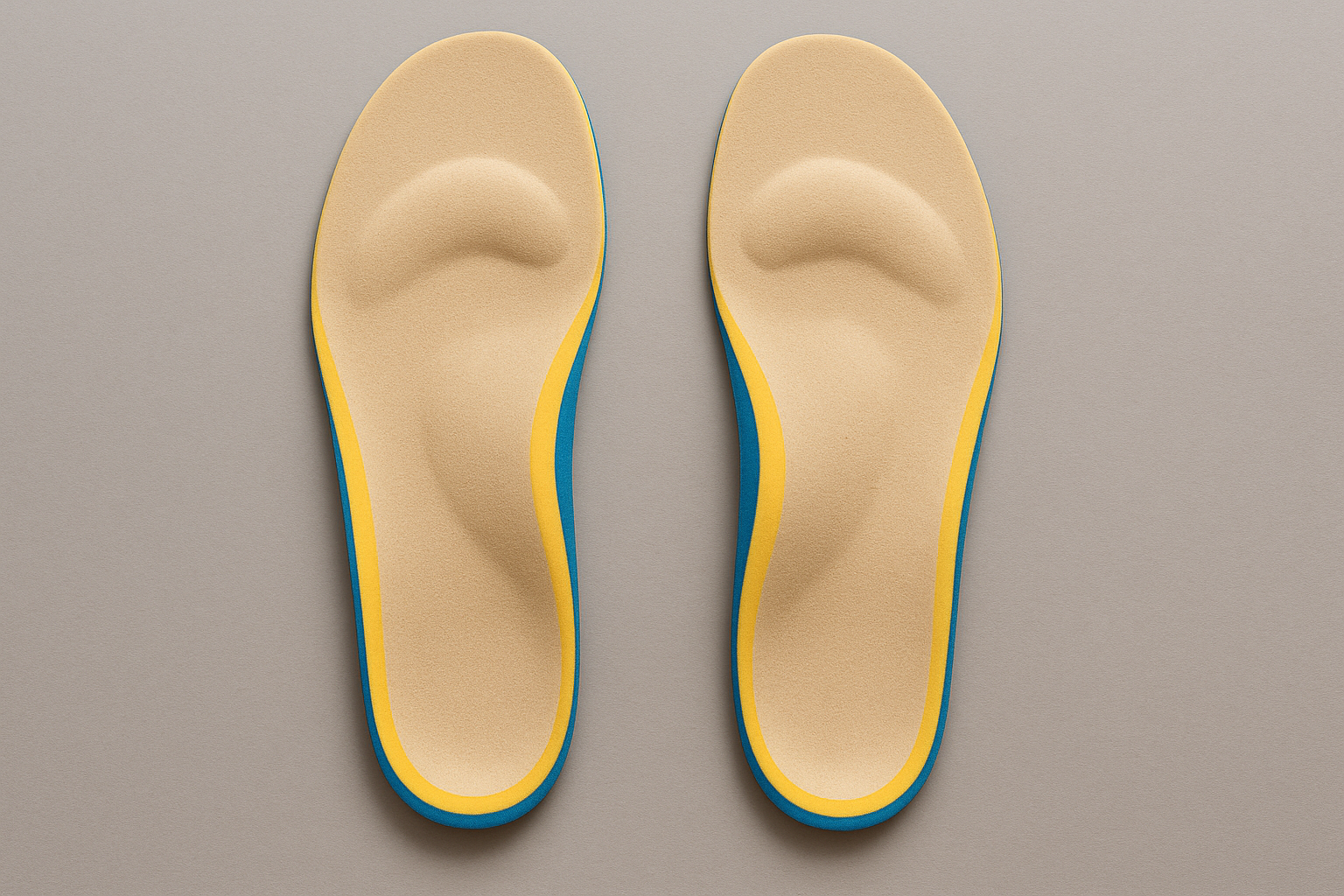
Each pair of custom arch support inserts is built directly from an individual foot mold. For a deeper walkthrough, see our Custom Foot Orthotics for Arch Support: Full Guide.
Ordering Custom Arch Support Inserts Online: What to Expect
You no longer need to live near a podiatry clinic to get a proper custom fit. Most reputable online providers send a foam impression kit to your home, walk you through the molding process over a short video call, and then ship the finished inserts within a few weeks. Furthermore, a remote fitting review is typically included so a licensed professional can confirm the shape matches your foot before you start daily wear.
However, not every online insole seller offers true one-to-one customization — some simply sell pre-made arch profiles in a handful of sizes. Consequently, it pays to confirm whether your specific foot is being molded or whether you're choosing from a limited template. This guide on whether insoles for arch support can be ordered online explains exactly what to look for before you buy.
What Do Custom Arch Supports Cost Compared to Store Insoles?
Custom arch supports generally cost between $200 and $500 per pair, depending on materials and the complexity of correction needed. In contrast, over-the-counter insoles run $20 to $60 but usually need replacement every few months. Over several years, the cost gap often narrows considerably.
Furthermore, some insurance plans and FSA or HSA accounts will cover part of the expense when a podiatrist documents medical necessity. As a result, it is worth calling ahead to confirm coverage before ordering. A licensed provider with a strong track record, such as one holding an A+ Better Business Bureau rating and more than two decades of fabrication experience, can also help you avoid costly trial-and-error with lower-quality alternatives.
How to Choose the Right Insert for Your Feet
Choosing the right device starts with an honest assessment of your daily activity and specific pain points. For example, a runner with high arches needs different support than an office worker with flat feet who stands most of the day. Consequently, a one-size-fits-all approach rarely works well for either person.
A podiatrist consultation remains the most reliable way to match the right material and shape to your condition. In addition, resources like this guide on finding foot arch supports that really work and this comparison of insoles suited for daily use can help you narrow down options before your appointment. According to MedlinePlus, roughly one in ten people will experience plantar fasciitis at some point, making informed arch support choices relevant to a large share of the population.
Warranties, Guarantees, and Return Policies to Look For
Above all, a trustworthy provider should stand behind their fabrication work. Look for a trial period of at least 30 to 90 days so you have real time to break in the inserts before committing. In addition, ask whether minor fit adjustments or remakes are included at no extra cost within the first year.
Similarly, a provider's reputation matters as much as the paperwork. An A+ Better Business Bureau rating, transparent pricing, and a long history of fabrication experience are all reasonable criteria to check before you send in a mold or payment.
Caring for Your Orthotics to Extend Their Life
Proper care keeps custom orthotics performing well for years rather than months. Wipe them down with a damp cloth and mild soap rather than soaking them, since excess moisture can warp the shell. Similarly, avoid placing them near direct heat or inside a clothes dryer.
It also helps to rotate between two pairs of shoes so the inserts and footwear both get time to fully dry between wears. For a broader review of long-term arch support strategies, this complete guide to lasting relief covers additional maintenance tips worth reviewing.

Well-maintained custom arch support inserts can provide comfortable, pain-free movement for years.
Frequently Asked Questions About Custom Arch Support Inserts
What are custom arch support inserts made of?
Custom arch support inserts are typically made from polypropylene, EVA foam, or carbon graphite, shaped from a mold or scan of your foot. The base provides rigid structural support while top layers add cushioning for comfort.
How are custom arch support inserts different from store-bought insoles?
Store-bought insoles are mass-produced to fit an average foot shape, while custom inserts are built from your own foot impression. As a result, custom devices correct specific alignment issues that generic insoles cannot address.
How long does it take to receive custom arch support inserts?
Most patients receive their finished inserts within two to four weeks after the mold or scan is completed. Lab fabrication time varies depending on the complexity of correction needed.
How much do custom arch support inserts typically cost?
Custom arch support inserts generally range from $200 to $500 per pair, depending on materials and fabrication complexity. This is higher than drugstore insoles, but the personalized fit often lasts several years longer.
Will insurance or FSA/HSA funds cover custom arch support inserts?
Many insurance plans and FSA or HSA accounts partially cover custom orthotics when a podiatrist documents medical necessity. However, coverage varies widely, so confirming details with your provider first is worthwhile.
How long do custom arch support inserts last before replacement?
With proper care, custom inserts typically last three to five years before materials begin to break down. Frequent high-impact activity or significant weight changes may shorten that lifespan.
Can custom arch support inserts relieve plantar fasciitis pain?
Yes, custom inserts are commonly prescribed for plantar fasciitis because they reduce strain on the plantar fascia by supporting the arch correctly. Many patients notice reduced heel pain within a few weeks of consistent use.
Do I need to see a podiatrist in person to get custom arch support inserts?
Not always. While an in-person mold appointment is common, some practices offer remote consultations and mail-in impression kits so patients can order without visiting a clinic.
Is there a break-in period for new custom arch support inserts?
Yes, most people need one to two weeks to adjust, starting with short wear periods and gradually increasing daily use. Skipping the break-in period is a common mistake that leads to discomfort.
What mistakes should I avoid when wearing arch support inserts?
Common mistakes include wearing them in shoes without enough depth, skipping the break-in schedule, and ignoring persistent discomfort instead of contacting the provider. Each of these reduces the effectiveness of the device.
Can I order custom arch support inserts online?
Yes, many providers, including podiatrist-led practices, offer online ordering with mail-in mold kits or digital consultations. This makes professional-grade orthotics accessible to patients outside a local clinic's service area.
How should I clean and maintain custom foot orthotics?
Wipe custom orthotics with a damp cloth and mild soap, then air dry away from direct heat, which can warp the shell. Avoid machine washing or placing them in a dryer.
Final Thoughts on Custom Arch Support Inserts
In summary, custom arch support inserts offer a level of precision that generic insoles simply cannot match, since each pair is built from an actual mold of your foot. Whether you are managing plantar fasciitis, flat feet, or general structural imbalances, a properly fitted device can address the root cause rather than masking symptoms temporarily.
Above all, working with an experienced, podiatrist-owned practice matters just as much as the materials used. A team with decades of fabrication experience and a strong reputation, such as an A+ Better Business Bureau rating, can guide you through consultation, molding, and fitting with confidence. If you are ready to explore custom arch support inserts for your own feet, visit customorthotics.com to request a complimentary consultation and take the first step toward lasting relief.