

Therapeutic foot orthotics are custom-molded devices designed to correct structural imbalances, cushion pressure points, and relieve chronic pain in the feet, ankles, and lower back. Unlike generic shoe inserts bought off a drugstore shelf, these devices start with a mold of the actual foot, so the support matches a person's unique anatomy. For many people living with plantar fasciitis, diabetic foot complications, or persistent joint pain, therapeutic foot orthotics offer a path toward lasting relief rather than temporary comfort. This guide explains how they work, who benefits most, and what to expect from the fitting process.
Quick answer: Therapeutic foot orthotics are personalized, medical-grade shoe inserts molded from an individual's feet that correct biomechanical imbalances and reduce chronic pain. They are prescribed and fitted by a podiatrist, which sets them apart from mass-produced insoles sold over the counter.
What Are Therapeutic Foot Orthotics?
Therapeutic foot orthotics are devices built from a direct mold or digital scan of an individual's foot, then shaped to support the arch, heel, and forefoot according to that person's specific biomechanics. In contrast, mass-market insoles rely on generic size ranges that rarely match a patient's actual foot shape.
Because every foot bears weight differently, a podiatrist first studies how the patient stands, walks, and distributes pressure. Consequently, the final device targets the exact spots causing discomfort instead of offering blanket cushioning. This precision is why therapeutic foot orthotics are often recommended for conditions that have not improved with standard insoles, as explained in more detail on how custom orthotics help with chronic foot pain.
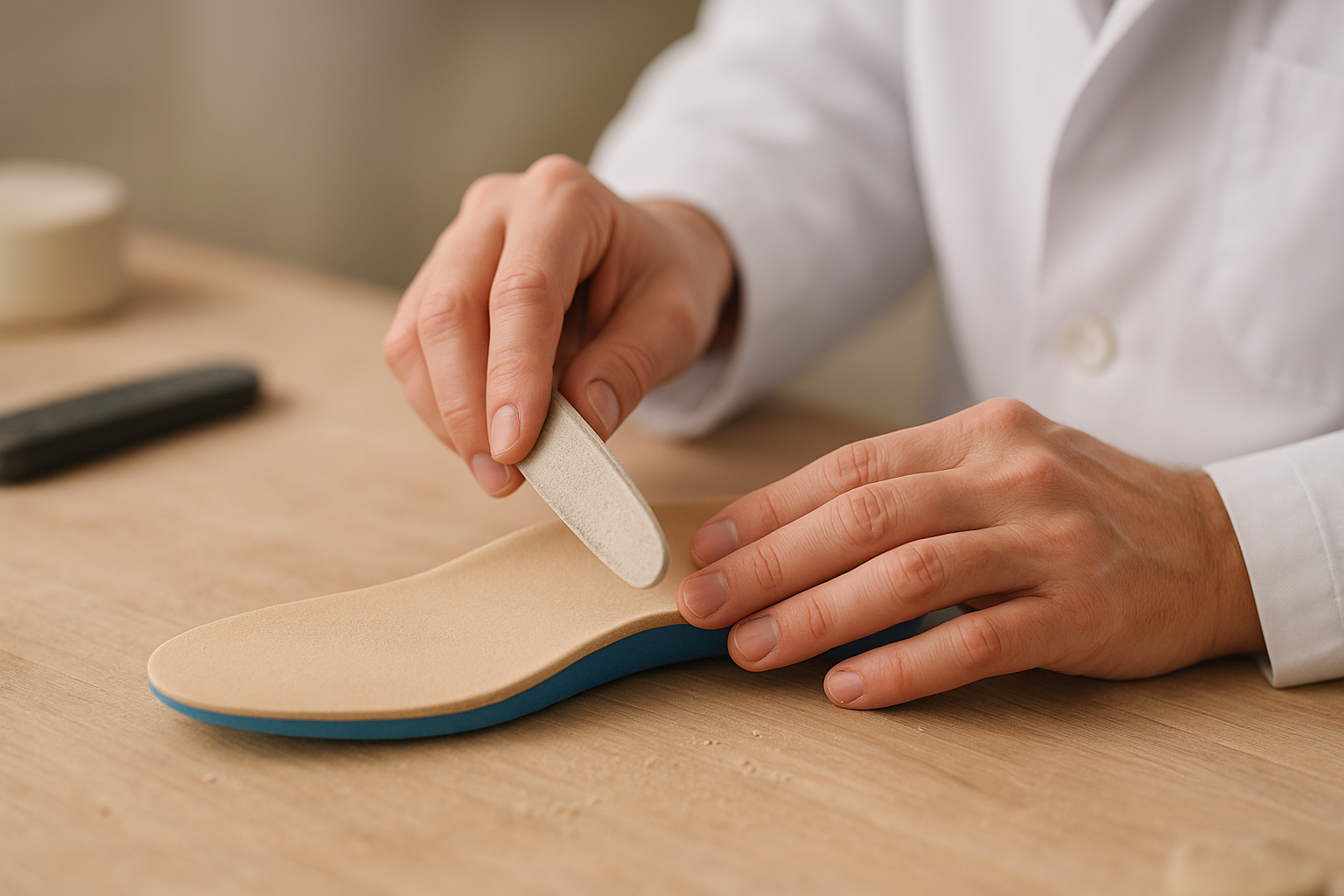
Each therapeutic foot orthotic is shaped by hand from an individual foot mold to ensure a precise fit.
How Do Custom Foot Supports Relieve Pain?
Custom foot supports relieve pain primarily by redistributing pressure away from inflamed or overworked areas of the foot. For example, someone with plantar fasciitis often places excess strain on the heel and arch with every step; a well-fitted orthotic shifts some of that load to stronger, less sensitive areas.
In addition, correcting foot alignment has a ripple effect up the kinetic chain. Specifically, when the foot lands in a more neutral position, the ankles, knees, hips, and lower back experience less compensatory stress. As a result, patients frequently report improvement in areas far from the foot itself, a connection explored further in this piece on foot fatigue causes, fixes, and prevention.
According to the American Podiatric Medical Association, a majority of adults report experiencing foot pain at some point in their lives, yet many delay seeking professional evaluation. Therapeutic foot orthotics give those patients a non-surgical option to address the root biomechanical cause rather than simply masking symptoms with pain medication.
Common Conditions Treated With Orthotic Devices
Orthotic devices are used to manage a wide variety of foot and lower-limb conditions. Below is a short list of the most common reasons patients seek a custom fitting:
- Plantar fasciitis and chronic heel pain
- Flat feet or fallen arches
- High arches causing uneven pressure distribution
- Diabetic foot complications requiring protective support
- Bunions, hammertoes, and other structural deformities
- Chronic knee, hip, or lower back pain linked to gait issues
Patients dealing with any of these issues can find more condition-specific guidance in this resource on choosing the right orthotics for a specific foot condition. Furthermore, the National Library of Medicine outlines how untreated structural foot problems can worsen over time without intervention.
Therapeutic Orthotics vs. Off-the-Shelf Inserts
Off-the-shelf inserts are manufactured in bulk and come in only a handful of standard sizes, so they can only approximate what an individual foot needs. Therapeutic foot orthotics, on the other hand, start with a mold of the patient's actual feet, which means the arch height, heel cup depth, and pressure zones are built specifically for that person.
Consequently, patients with mild, temporary discomfort may find generic insoles sufficient. However, those with chronic pain, diagnosed structural imbalances, or conditions like diabetes typically need the precision that only a custom device can provide. For a deeper comparison of reliability and long-term outcomes, see this overview of reliable foot orthotics for pain management.
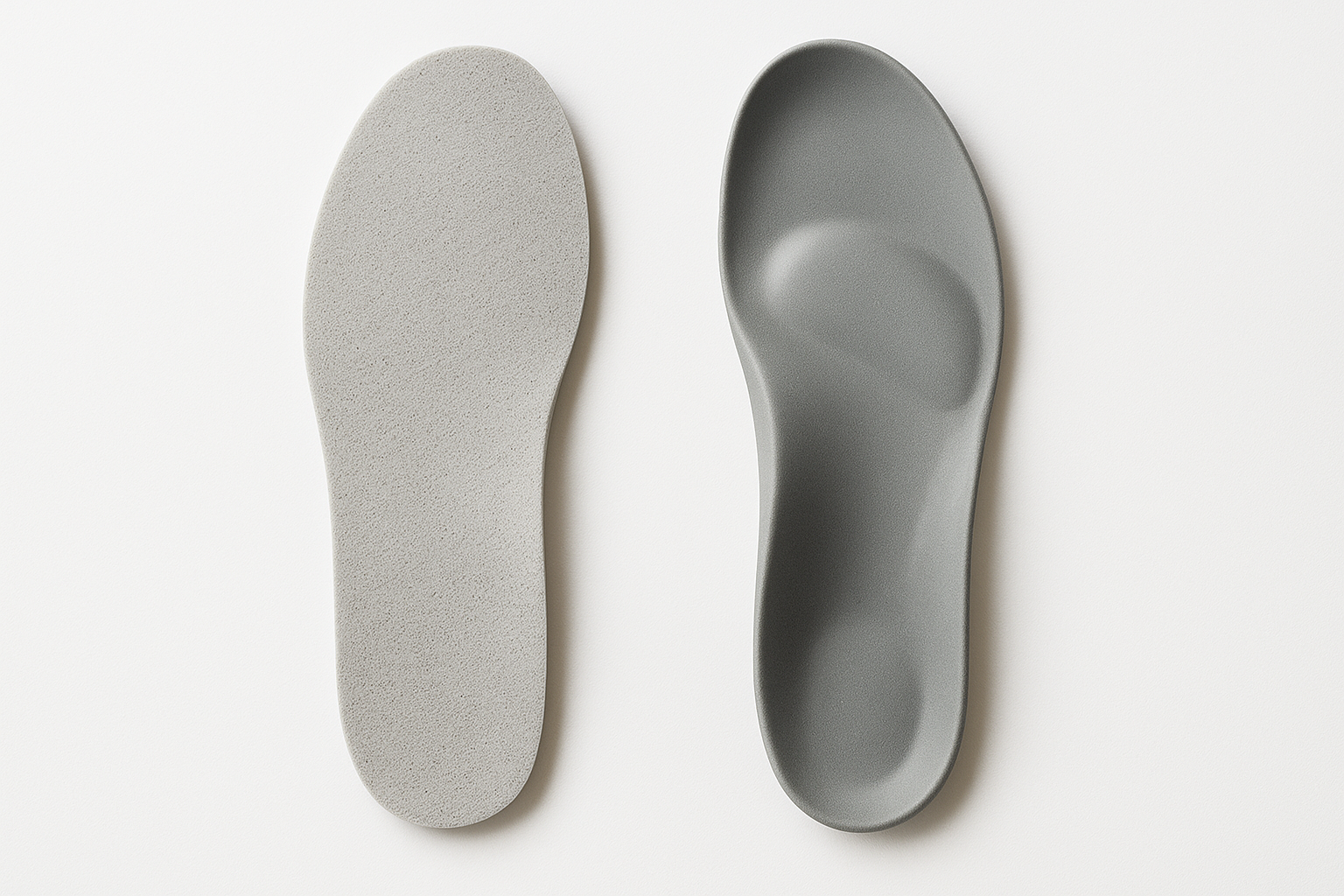
Custom-molded orthotics are shaped specifically around a patient's foot, unlike generic foam inserts.
How Custom Orthotics Are Fabricated: A Step-by-Step Process
Understanding the fabrication process helps set realistic expectations for timing and results. Below is the typical sequence a podiatrist-led practice follows.
- Initial consultation and assessment: A podiatrist reviews the patient's medical history, symptoms, and daily activity level to determine whether therapeutic foot orthotics are an appropriate treatment option.
- Gait and biomechanical evaluation: The practitioner observes how the patient stands and walks to identify imbalances, pressure points, and structural issues that the device needs to correct.
- Taking the foot mold: A detailed impression or digital scan of each foot is captured in a neutral position, creating the precise template used to fabricate the orthotic shell.
- Fabrication of the custom device: Skilled technicians build the orthotic from the mold using selected materials, shaping support zones and cushioning specifically for the patient's foot structure.
- Fitting and follow-up adjustment: The patient tries the finished orthotic in their own shoes, and the podiatrist checks fit, comfort, and alignment, making adjustments if pressure points remain.
Typically, the entire process takes two to three weeks from the initial mold to the final fitting. Patients who prefer convenience can also start the process remotely; for instance, customorthotics.com allows individuals to request a complimentary podiatrist consultation by phone before ordering online.
Choosing the Right Therapeutic Insoles for Your Condition
Selecting the right therapeutic insoles starts with an accurate diagnosis. Therefore, the first step should always be a conversation with a podiatrist rather than a guess based on symptoms alone. A professional evaluation ensures the device addresses the actual cause of discomfort, not just the most noticeable symptom.
Material choice also matters. Rigid shells offer strong correction for structural deformities, while softer, more flexible designs suit patients who need cushioning for conditions like diabetic neuropathy. In particular, patients searching for a provider should look for one with hands-on fabrication experience and verifiable credentials, such as a practice with an A+ Better Business Bureau rating and decades of specialized experience. Readers who are still comparing providers may find this guide on where to find personalized orthotics for foot pain helpful for narrowing the search.
A podiatrist-owned practice that fabricates orthotics directly from individual foot molds combines over two decades of hands-on experience with direct access to the podiatrist for a free consultation, whether by phone or online, making custom fabrication a practical option for both local and remote patients.
Frequently Asked Questions About Therapeutic Foot Orthotics
What are therapeutic foot orthotics?
Therapeutic foot orthotics are custom-molded shoe inserts built from an impression of an individual's feet to correct alignment, redistribute pressure, and relieve pain. They differ from generic insoles because they are fabricated to match the exact contours and biomechanics of the wearer's feet.
How do therapeutic foot orthotics relieve pain?
They relieve pain by correcting structural imbalances, cushioning high-pressure areas, and improving how weight is distributed across the foot during standing or walking. This reduces strain on joints, tendons, and ligaments that would otherwise bear excess load.
Who should consider custom orthotic devices?
People with plantar fasciitis, flat feet, high arches, diabetes-related foot complications, or chronic knee and back pain often benefit most. A podiatrist can evaluate gait and foot structure to confirm whether custom devices are appropriate.
How long does it take to get used to therapeutic insoles?
Most patients adjust within one to three weeks of gradual daily wear. Starting with short periods and slowly increasing wear time helps the feet and lower limbs adapt comfortably.
Are therapeutic foot orthotics covered by insurance?
Coverage varies by provider and plan, but many insurers partially reimburse custom orthotics when prescribed for a documented medical condition. It is best to confirm benefits directly with the insurance carrier before ordering.
How much do custom orthotics typically cost?
Custom orthotics generally cost more than drugstore insoles because they require a personalized mold and hands-on fabrication, though exact pricing depends on materials and the condition being treated. Many practices offer a free consultation to discuss pricing before committing.
What is the difference between custom and over-the-counter orthotics?
Over-the-counter insoles come in generic sizes and offer limited correction, while custom orthotics are molded directly from an individual's foot for precise, lasting support. This distinction matters most for people with structural deformities or chronic pain.
How long do therapeutic foot orthotics last?
Most custom orthotics last between three and five years with regular use, depending on materials and activity level. Periodic evaluation ensures the device still matches the foot's current shape and support needs.
Can therapeutic foot orthotics help with back pain?
Yes, because foot alignment affects posture and gait, correcting it with orthotics can reduce compensatory strain on the knees, hips, and lower back. Many patients with chronic lower back discomfort notice improvement once foot mechanics are addressed.
What common mistakes do people make when choosing orthotics?
A frequent mistake is buying generic inserts without a proper foot assessment, which can worsen an existing imbalance. Another is discontinuing use too soon, before the feet have had time to adapt to the corrected alignment.
Do I need a prescription for custom orthotic devices?
Not always, but a podiatrist evaluation is strongly recommended to ensure the device addresses the specific condition causing pain. Many providers offer a direct consultation before fabrication begins.
Can therapeutic foot orthotics be used in any shoe?
Most custom orthotics are designed to fit a range of closed-toe shoes, though extremely narrow or minimalist footwear may require a thinner device. Discussing shoe compatibility during the fitting process helps avoid issues later.

Properly fitted therapeutic foot orthotics can restore comfortable, pain-free movement over time.
Conclusion
Therapeutic foot orthotics offer a targeted, non-surgical way to address chronic foot pain, structural imbalances, and mobility challenges at their root cause. Because each device is molded from the individual's own feet, the fit and function go well beyond what generic insoles can achieve. Ultimately, the right path forward starts with a proper evaluation from a podiatrist who can confirm whether custom orthotics match a patient's specific condition. For anyone ready to take that first step, scheduling a free consultation is a practical way to explore whether therapeutic foot orthotics could bring lasting relief.