

Reliable foot orthotics for pain management correct the structural root cause of chronic foot, knee, hip, and back pain instead of simply cushioning the symptoms. For example, an overpronating foot or a collapsed arch can throw off alignment throughout the entire body, which is why pain often shows up far from where the actual problem begins. Because every foot is shaped differently, a truly reliable solution starts with an exact mold of your own foot rather than a one-size-fits-all insole pulled off a shelf. Below, we break down what makes orthotics genuinely dependable, how they compare to generic "best insole" picks, what they're made from, and how to choose a provider you can trust for lasting relief.
Key Takeaways on Reliable Foot Orthotics for Pain Management
- Custom orthotics are molded from your exact foot shape — not pulled from a generic size chart like most "top orthopedic insoles" lists recommend.
- Material density (rigid, semi-rigid, or soft) matters as much as the mold itself for consistent, long-term pain relief.
- A dependable orthotic should hold its corrective shape for two to five years, not flatten out within weeks.
- Podiatrist involvement, not just a product purchase, is what separates reliable pain management from guesswork.
- The right orthotic is matched to your shoes, your activity level, and the specific condition causing your pain.
What Are Reliable Foot Orthotics for Pain Management?
Reliable foot orthotics for pain management are devices custom-made from a mold or digital scan of your feet, designed to correct structural imbalances rather than simply cushioning them. Unlike mass-produced insoles sold at drugstores or recommended in generic "best insoles" roundups, these orthotics are engineered around your specific arch height, gait pattern, and pressure points.
In practice, this means a podiatrist first evaluates how you stand and walk, then creates a physical or digital impression of each foot. That impression becomes the blueprint for a device fabricated from durable materials chosen for your activity level and body weight. As a result, the orthotic supports your foot exactly where it needs support, rather than offering generic arch padding that may not match your anatomy at all.
Furthermore, reliability isn't just about comfort on day one. A dependable orthotic should maintain its shape and support after months of daily wear, whether you're standing on a job site or running errands. Cheaper, non-custom insoles often flatten out within weeks, which is why many patients cycle through several pairs before finding a custom option that lasts. In contrast, a properly fabricated custom device is built to hold its corrective shape through years of regular use, making it a more dependable long-term investment for pain management, according to guidance from the American Podiatric Medical Association.
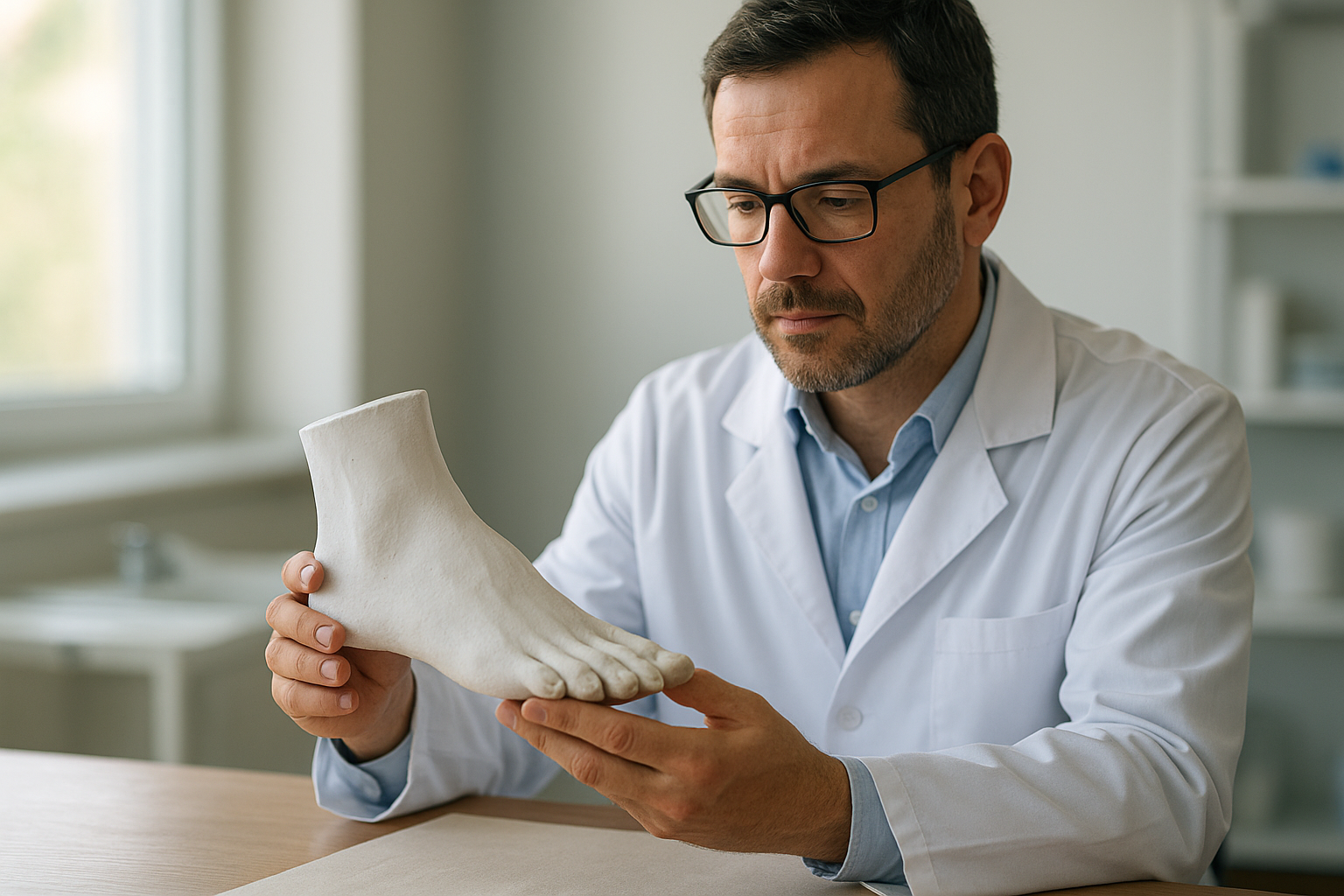
Every reliable foot orthotic for pain management starts with a precise mold of the patient's foot, not a shelf-stocked size chart.
Custom Orthotics vs. Store-Bought Insoles: Why Personalized Support Matters
Store-bought insoles are designed to fit an average foot shape across a wide range of shoe sizes. However, few feet are truly average. Because generic insoles rely on broad size categories rather than individual anatomy, they often fail to address the specific misalignment causing your pain.
Personalized orthotic devices, on the other hand, start with an exact mold or scan of your foot. Specifically, a podiatrist examines your arch type, heel position, and the way pressure travels across your foot as you walk. This detailed assessment allows the lab to build a device that corrects your particular imbalance instead of guessing at a general fix.
In addition, custom orthotics are typically made from more durable, medical-grade materials than the foam used in over-the-counter inserts. As a result, they resist compression and maintain their corrective shape far longer. For patients managing conditions like plantar fasciitis, flat feet, or bunions, this durability translates directly into more consistent pain relief. You can compare specific options in this overview of top options for custom orthotics for foot pain.
Moreover, a podiatrist-guided fitting process means adjustments can be made if the orthotic isn't performing as expected. Off-the-shelf products offer no such flexibility. Similarly, patients with diabetes or circulation issues benefit from professional oversight, since an ill-fitting insole can create new pressure points rather than solving existing ones.
Why "Best Orthopedic Insoles" Roundups Don't Guarantee Reliable Pain Relief
Most articles ranking the "best orthopedic insoles" compare mass-produced products across a handful of generic categories, such as price, cushioning level, and arch height. However, this approach misses the single biggest factor in pain relief: whether the device actually matches your foot structure. A product that ranks well in a general review can still fail completely for your specific gait pattern.
Consequently, two people with "flat feet" on paper can need entirely different support. One may need a rigid arch with heel stabilization, while the other needs a softer, accommodative shell. Generic insoles simply cannot account for that distinction, no matter how high they rank in a listicle. In contrast, a podiatrist-fitted orthotic is evaluated and adjusted against your actual walking pattern, not a marketing description.
Above all, reliability is earned through fit precision and material durability working together — not through a star rating on a comparison page. That's the core difference between a reliable foot orthotic for pain management and a well-marketed insole that simply feels soft on day one.
Types of Materials Used in Reliable Orthotic Devices
The material an orthotic is built from directly determines how long it will last and how much correction it provides. Below are the three material categories podiatrists use most often.
Rigid Materials: Carbon Fiber and Polypropylene
Rigid orthotics made from carbon fiber or polypropylene offer the strongest correction for structural issues like severe overpronation. Therefore, they're often prescribed for patients who need maximum control rather than cushioning. Because they barely compress, they tend to hold their corrective shape the longest of any material type.
Semi-Rigid Materials: EVA Foam Composites
Semi-rigid devices blend correction with comfort, typically layering firmer EVA (ethylene-vinyl acetate) foam over a supportive base. As a result, they're a popular choice for athletes and active adults who need both stability and shock absorption during high-impact movement.
Soft, Accommodative Materials: Plastazote and Memory Foam
Soft accommodative orthotics prioritize pressure redistribution over rigid correction, which makes them especially valuable for diabetic patients or anyone with sensitive, fragile skin. Specifically, plastazote and medical-grade memory foam mold around existing deformities instead of fighting against them.
Rigid, Semi-Rigid, or Soft: Choosing the Right Orthotic Density for Reliable Pain Relief
Choosing the wrong density is one of the most common reasons an orthotic fails to deliver reliable pain relief. For instance, a rigid device may feel uncomfortable for someone with arthritis who actually needs cushioning, while a soft device may feel pleasant but fail to correct a severe structural imbalance.
Consequently, a podiatrist weighs several factors before recommending density: your diagnosed condition, your body weight, your activity level, and the type of shoes you wear most often. This is precisely why a professional gait and pressure analysis, rather than a self-selected product from a review list, produces far more consistent and lasting pain management results.
The Process of Getting Fitted for Personalized Foot Orthotics
Getting fitted for reliable foot orthotics for pain management follows a fairly consistent process, whether you visit a clinic in person or start with an online consultation. Below is a typical step-by-step outline.
- Schedule a consultation. Speak directly with a podiatrist about your symptoms, medical history, and daily activity level so the treatment plan reflects your actual lifestyle needs.
- Get molded or scanned. The podiatrist takes a physical impression or digital scan of each foot while it's in a neutral, corrected position to capture accurate structural detail.
- Gait and pressure analysis. Your walking pattern and weight distribution are assessed to identify exactly where extra support or cushioning is required for pain relief.
- Lab fabrication. Skilled technicians build the orthotic from your mold using materials matched to your body weight, foot flexibility, and intended use, such as work boots or athletic shoes.
- Fitting and follow-up. You try on the finished orthotics, receive guidance on breaking them in gradually, and schedule a follow-up visit if any adjustments are needed for comfort.
Common Conditions Reliable Foot Orthotics Help Manage
Podiatrists commonly recommend custom orthotics for a wide range of conditions, including plantar fasciitis, flat feet, high arches, bunions, arthritis, Achilles tendinitis, Morton's neuroma, metatarsalgia, and diabetic foot complications. According to research referenced by the National Institutes of Health, foot pain affects a substantial share of adults at some point, and structural support is often central to managing it long term.
For instance, patients with plantar fasciitis frequently experience sharp heel pain that worsens with the first steps in the morning. A well-designed orthotic redistributes pressure away from the inflamed area, which can noticeably reduce daily discomfort. Similarly, individuals with flat feet or fallen arches often develop pain that travels up into the knees and lower back, since the lack of arch support forces other joints to compensate.
Additionally, people with diabetes benefit from orthotics that reduce friction and pressure points, lowering the risk of ulcers tied to poor circulation. Above all, the goal of a reliable orthotic isn't just short-term comfort — it's addressing the root biomechanical cause so pain doesn't keep returning. Learn more about these advantages in this breakdown of the benefits of custom orthotics for foot pain.
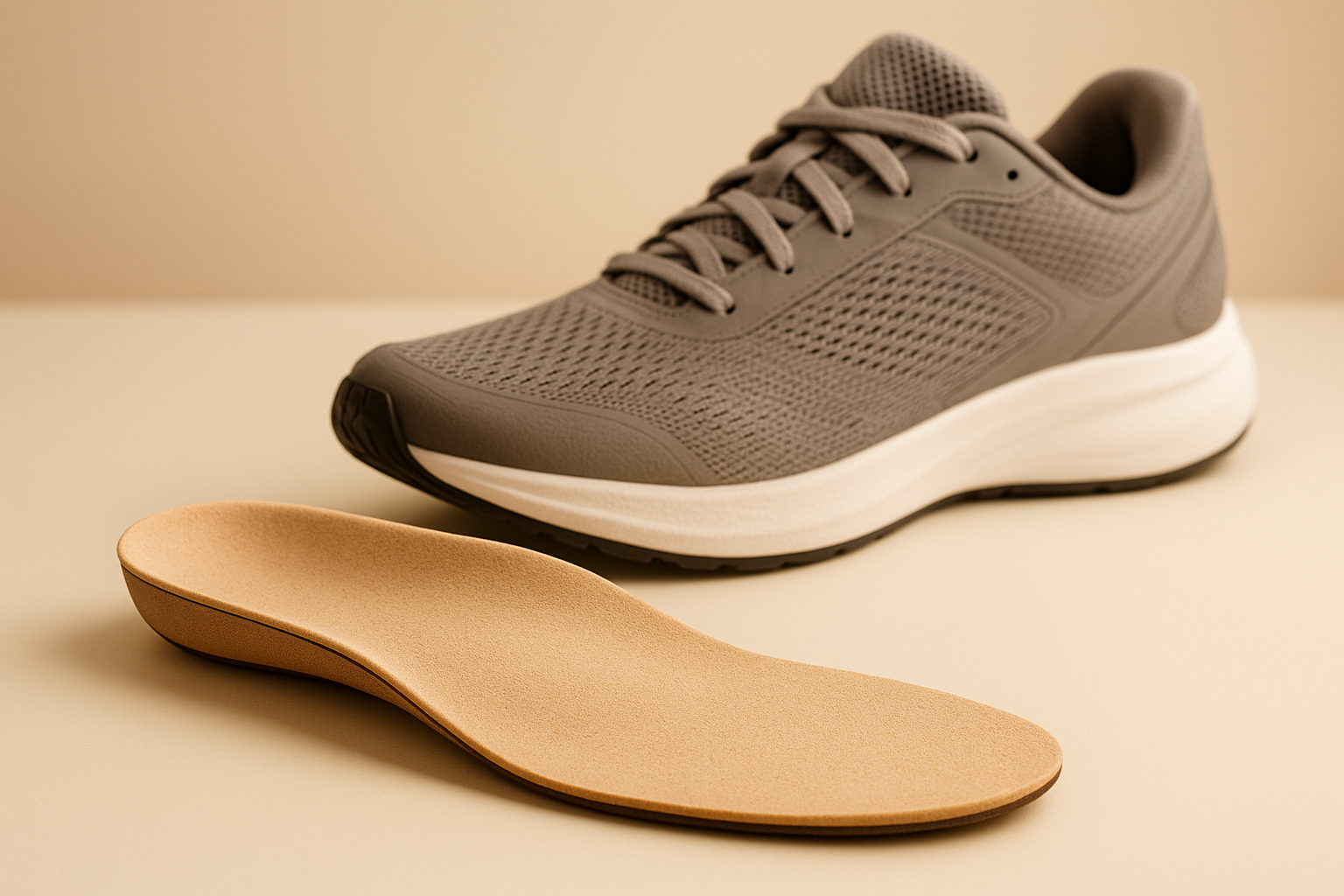
A close look at the contoured shape that gives personalized orthotics their corrective support.
Matching Reliable Orthotics to Your Shoes and Daily Activities
An orthotic that works beautifully in a running shoe can feel completely wrong in a dress shoe or work boot. Therefore, telling your podiatrist exactly where you'll wear the device is just as important as the mold itself.
Work Boots and Safety Footwear
Workers who stand for long shifts generally need a firmer, more durable shell that can withstand daily impact without compressing. Consequently, labs often choose denser polypropylene for safety boots and steel-toe footwear.
Athletic and Running Shoes
Runners and athletes typically benefit from semi-rigid orthotics that absorb shock while still controlling excess pronation during high-impact strides. In addition, a slimmer shell profile helps the device fit properly inside performance footwear.
Dress Shoes and Low-Volume Footwear
Dress shoes offer far less internal room, so a low-profile orthotic is essential to avoid crowding the foot. For a deeper comparison of footwear pairing strategies, see this guide to supportive footwear solutions for foot pain relief, which walks through shoe compatibility in more detail.
Signs Your Current Insoles Aren't Providing Reliable Pain Relief
If you've already tried off-the-shelf insoles, these warning signs suggest it's time to consider a custom alternative instead.
- The arch support feels flattened or compressed within just a few weeks of daily wear.
- Pain returns by mid-afternoon even though the insole felt fine in the morning.
- You notice uneven wear patterns on the outsole of your shoes.
- New pressure points or blisters appear in areas that never bothered you before.
- You've purchased three or more different insoles without lasting improvement.
How to Choose Reliable Foot Orthotics for Long-Term Pain Relief
Choosing a dependable provider matters just as much as the orthotic itself. Start by looking for a podiatrist-owned practice with direct clinical involvement, rather than a purely retail operation. For example, a team with decades of hands-on fabrication experience and a strong reputation, such as an A+ Better Business Bureau rating, offers more assurance than an anonymous online seller.
If you're unsure where to begin, this guide on where to find personalized orthotics for foot pain can help you compare options. It's also worth reviewing this resource on how to choose the best fit for custom orthotics, since fabrication quality and materials vary widely between labs.
Patients who take time to compare providers, and who read real accounts of foot pain solutions that actually work, tend to feel more confident in their final decision. Ultimately, a complimentary consultation with a podiatrist, whether over the phone or online through customorthotics.com, is one of the simplest ways to determine whether a specific practice is the right fit for your pain-management goals.

Consistent, properly fitted orthotic support helps patients move through daily life with less pain.
Caring for and Maintaining Your Custom Orthotics
Proper maintenance extends the life of even the most reliable foot orthotics for pain management. Wipe the shell down with a damp cloth and mild soap rather than submerging it in water, since excess moisture can warp certain materials. In addition, remove the orthotics from wet shoes promptly and let them air-dry away from direct heat, which can cause rigid materials to crack over time.
Furthermore, inspect the top cover every few months for thinning or peeling, since a worn cover can create friction points even if the base structure is still intact. If you notice the device flattening, cracking, or no longer relieving pain as effectively as before, schedule a follow-up with your podiatrist rather than waiting for symptoms to worsen.
What Reliable Foot Orthotics Cost — and How Insurance Can Help
Custom orthotics generally range from a few hundred to several hundred dollars per pair, depending on materials, complexity, and the lab producing the device. However, many practices offer a free consultation first to outline pricing clearly before you commit to anything.
In addition, coverage often depends on whether the orthotics are prescribed for a diagnosed medical condition, so it's worth checking with your insurance provider directly. Similarly, many patients use HSA or FSA funds to offset the cost, since orthotics are frequently classified as an eligible medical expense.
Frequently Asked Questions About Reliable Foot Orthotics for Pain Management
What are reliable foot orthotics for pain management?
Reliable foot orthotics for pain management are custom-molded devices designed to correct biomechanical imbalances that cause chronic foot, ankle, knee, or back pain. Because they're built from an exact mold of your feet, they support your unique pressure points more consistently than generic insoles.
How are custom orthotics different from over-the-counter insoles?
Custom orthotics are fabricated from an individual mold or scan of your foot, while over-the-counter insoles are mass-produced in a handful of standard sizes. As a result, custom devices address your specific imbalance rather than offering generalized cushioning.
How long does it take to get custom orthotics made?
Most patients receive finished custom orthotics within two to four weeks after the initial mold or scan is taken. Turnaround time can vary depending on the lab and the complexity of the device.
How much do custom foot orthotics typically cost?
Costs vary depending on materials, complexity, and insurance contribution, but custom orthotics generally range from a few hundred to several hundred dollars per pair. Many practices offer a free consultation first to outline pricing before you commit.
Can orthotics help with plantar fasciitis?
Yes, custom orthotics are among the most commonly recommended treatments for plantar fasciitis because they redistribute pressure away from the inflamed heel tissue. Many patients notice reduced morning heel pain within a few weeks of consistent use.
What other conditions do foot orthotics treat?
Beyond plantar fasciitis, orthotics are used to manage flat feet, high arches, bunions, arthritis, diabetic foot complications, and pain that radiates into the knees, hips, or lower back. They're also common for athletes managing overuse injuries.
How do I know if I need orthotics?
Persistent foot, heel, knee, or back pain that doesn't improve with rest or basic stretching is a common sign that structural support may help. A podiatrist consultation is the most reliable way to confirm whether orthotics are appropriate for your situation.
What does the fitting process for custom orthotics involve?
The process typically includes a consultation, a mold or scan of each foot, a gait analysis, lab fabrication, and a follow-up fitting to check comfort and make adjustments. This ensures the finished device matches your actual foot structure.
Are custom orthotics covered by insurance?
Coverage depends on your specific plan and whether the orthotics are prescribed for a diagnosed medical condition. It's worth checking with your provider and asking the orthotic practice whether they can supply documentation for reimbursement.
How long do custom orthotics last?
With proper care, custom orthotics typically last between two and five years, depending on the materials used and how much daily wear they receive. Rigid, medical-grade materials tend to hold their shape longer than softer, cushioned versions.
What common mistakes do people make when choosing orthotics?
A frequent mistake is buying generic insoles online without addressing the actual cause of the pain, which often leads to repeated purchases and continued discomfort. Skipping a professional gait assessment is another common error that can result in a poor fit.
Can I order custom orthotics online without an in-person visit?
Some podiatrist-led practices offer remote ordering supported by an initial phone consultation and an at-home impression kit. However, an in-person evaluation can offer more precise results when it's available to you.
What's the difference between orthotics and orthopedic shoes?
Orthotics are removable devices inserted into existing shoes to correct alignment, while orthopedic shoes are built with structural support already integrated into the shoe itself. Many patients use both together for maximum benefit.
How should I break in new custom orthotics?
Most podiatrists recommend wearing new orthotics for just a few hours on the first day, gradually increasing wear time over one to two weeks. This allows your feet and muscles to adjust without discomfort.
Do orthotics work for everyone?
While most patients experience meaningful pain relief, results vary depending on the underlying condition, how consistently the orthotics are worn, and whether they were properly fitted. A podiatrist can help set realistic expectations based on your specific diagnosis.
Are custom orthotics better than generic "best orthopedic insoles" picks from review sites?
In most cases, yes. Review-site picks are built for an average foot shape, while custom orthotics are molded to your exact anatomy and assessed through a professional gait analysis. Consequently, custom devices tend to deliver more consistent, longer-lasting pain relief than a generic product recommendation.
Can I wear orthotics in sandals or other open-back shoes?
Yes, some labs fabricate slimmer, strapped orthotic designs specifically for sandals and open-back footwear. It's best to mention this need during your consultation so the fabrication team can select an appropriate style and attachment method.
Final Thoughts: Choosing Reliable Foot Orthotics for Pain Management That Last
Ultimately, finding reliable foot orthotics for pain management comes down to precision, materials, and professional guidance rather than guesswork or generic product rankings. A custom device built from your own foot mold addresses the actual cause of your pain, not just the symptoms, and tends to hold up far longer than generic insoles pulled from a "best of" list. Whether you start with a free phone consultation or place an order online, working with an experienced, podiatrist-led team gives you the best chance at lasting relief.
Above all, taking that first step toward a properly fitted orthotic can make a meaningful difference in how your feet, and the rest of your body, feel every day. For more information on getting started, learn more about reliable foot orthotics for pain management by visiting customorthotics.com, or refer to the resources referenced throughout this guide via the Wikipedia entry on orthotics for additional background.