

Tailored orthotic devices are custom-made foot supports built from an exact impression of your own feet rather than shaped on a generic last. Unlike the cushioned insoles sold at pharmacies, these devices are engineered to correct the specific alignment issues, pressure points, and gait patterns causing your discomfort. For anyone dealing with chronic heel pain, flat feet, or joint strain that off-the-shelf inserts never quite solve, a properly fitted orthotic can address the root cause instead of simply cushioning the symptom. At customorthotics.com, a podiatrist-owned practice with more than two decades of hands-on experience, every device starts with a mold of the patient's actual foot.
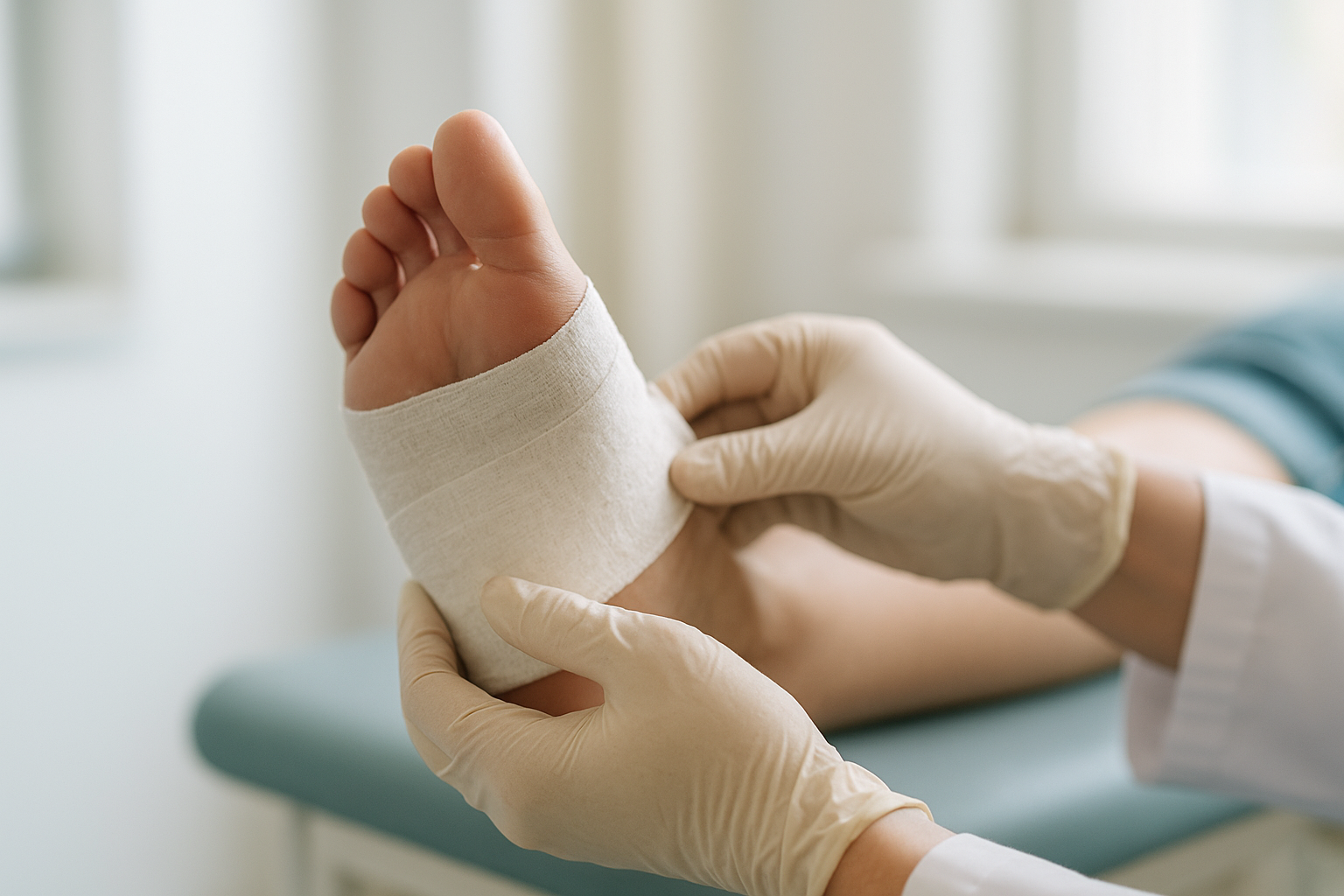
A precise foot mold is the foundation of every pair of tailored orthotic devices.
What Are Tailored Orthotic Devices?
Tailored orthotic devices are custom-fabricated shoe inserts molded to the exact shape of an individual's feet to correct alignment, redistribute pressure, and relieve pain. Unlike mass-produced insoles, a podiatrist or orthotist builds each pair around a physical cast or scan of the patient's foot held in a neutral, corrected position.
Once fabricated, the device is placed inside everyday shoes to support the foot from heel strike through toe-off. In addition, because the mold captures your foot's true resting shape, the orthotic can gently guide bones and joints into a healthier position over time, rather than just cushioning them.
According to general orthotic classifications, these devices fall into rigid, semi-rigid, and soft categories, each suited to different conditions. Consequently, choosing the right type depends heavily on an accurate diagnosis rather than guesswork.
Why Generic Insoles Fall Short
Store-bought insoles are manufactured in a limited range of shapes meant to fit an average foot. However, very few feet actually match that average. Bunions, high arches, leg-length differences, and old injuries all shift how weight travels through your foot, and a generic insert simply cannot account for that.
In contrast, custom-fit orthotics are shaped around your feet specifically. As a result, they distribute pressure across the areas that need support instead of leaving painful spots unaddressed. For example, someone with plantar fasciitis needs targeted arch support in a very particular location, something a flat foam insert rarely provides.
Research summarized by the National Institutes of Health notes that plantar fasciitis alone accounts for roughly one million healthcare visits annually in the United States. That statistic underscores how common foot pain is, and why a properly diagnosed, custom device often outperforms a one-size-fits-all fix.
How Tailored Orthotic Devices Are Made
The fabrication process follows a consistent sequence, whether you visit a clinic in person or order through a remote-friendly provider. Specifically, it involves four core stages:
- Initial podiatrist consultation: A podiatrist reviews your medical history, current symptoms, and gait pattern either in person or over the phone to determine whether custom orthotics are appropriate for your condition.
- Custom mold casting: The practitioner captures a precise impression of your foot in a neutral, corrected position using a foam box, plaster wrap, or digital scanner.
- Lab fabrication of the shell: Skilled technicians shape a rigid or semi-rigid shell that matches the exact contours of your mold, then add cushioning and support layers based on your diagnosis.
- Fitting and final adjustment: You try the finished orthotics inside your everyday shoes while the podiatrist checks pressure points and fine-tunes the fit for lasting comfort.
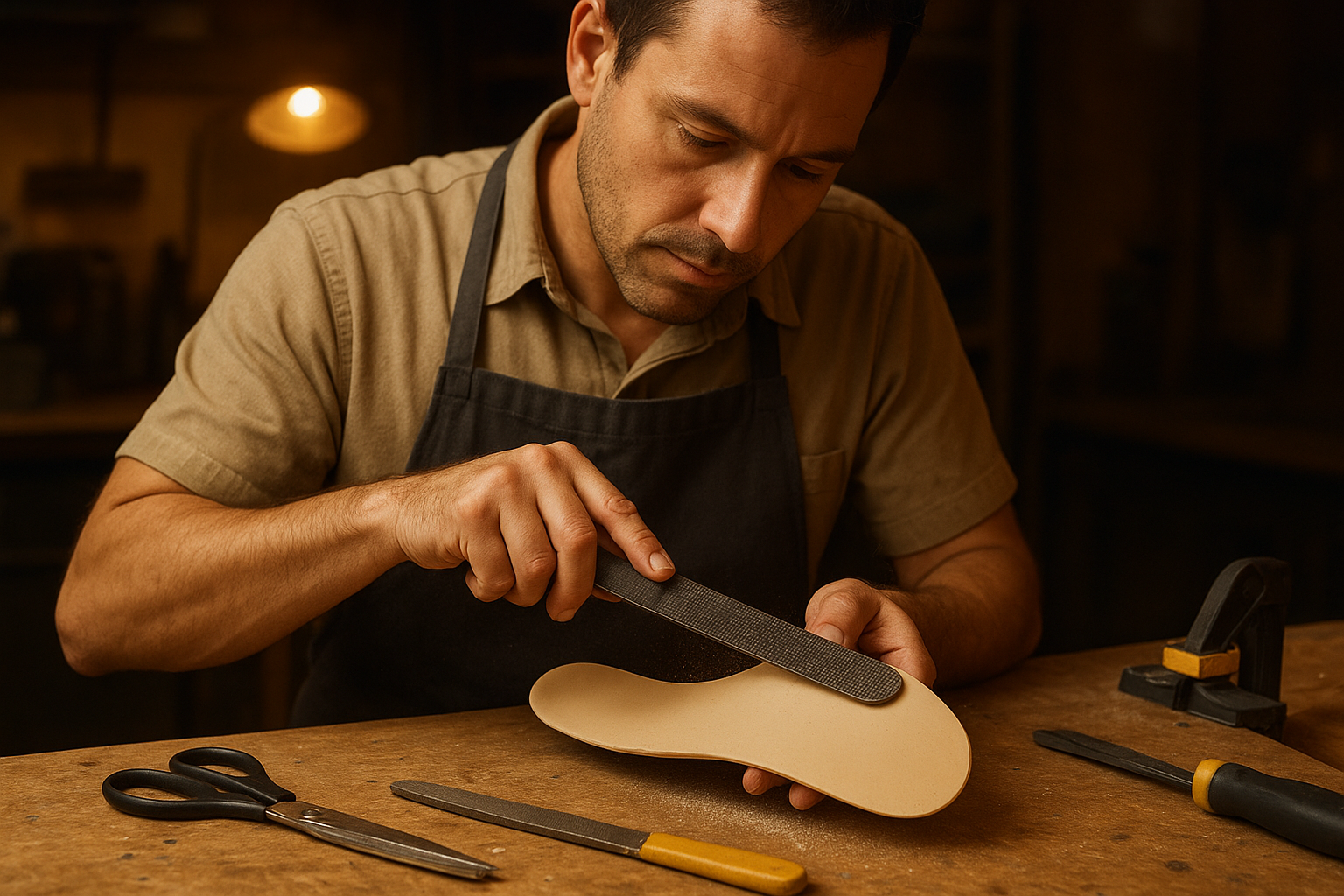
Skilled fabrication turns a raw foot mold into finished custom orthotic solutions.
Who Benefits From Personalized Foot Orthotics?
Personalized foot orthotics tend to help anyone whose pain stems from structural or biomechanical issues rather than a temporary injury. Above all, that includes people with flat feet, high arches, bunions, or diabetic foot complications that require pressure redistribution to prevent ulcers.
Similarly, people who spend long hours on their feet, such as nurses, retail workers, and factory staff, often see meaningful relief. If that describes your daily routine, it's worth reading about whether custom orthotics hold up during long shifts on your feet before committing to a pair.
Athletes recovering from repetitive strain injuries, and older adults managing arthritis-related foot changes, also frequently benefit. Therefore, the common thread isn't a single diagnosis, it's an ongoing biomechanical problem that a generic insole cannot correct.
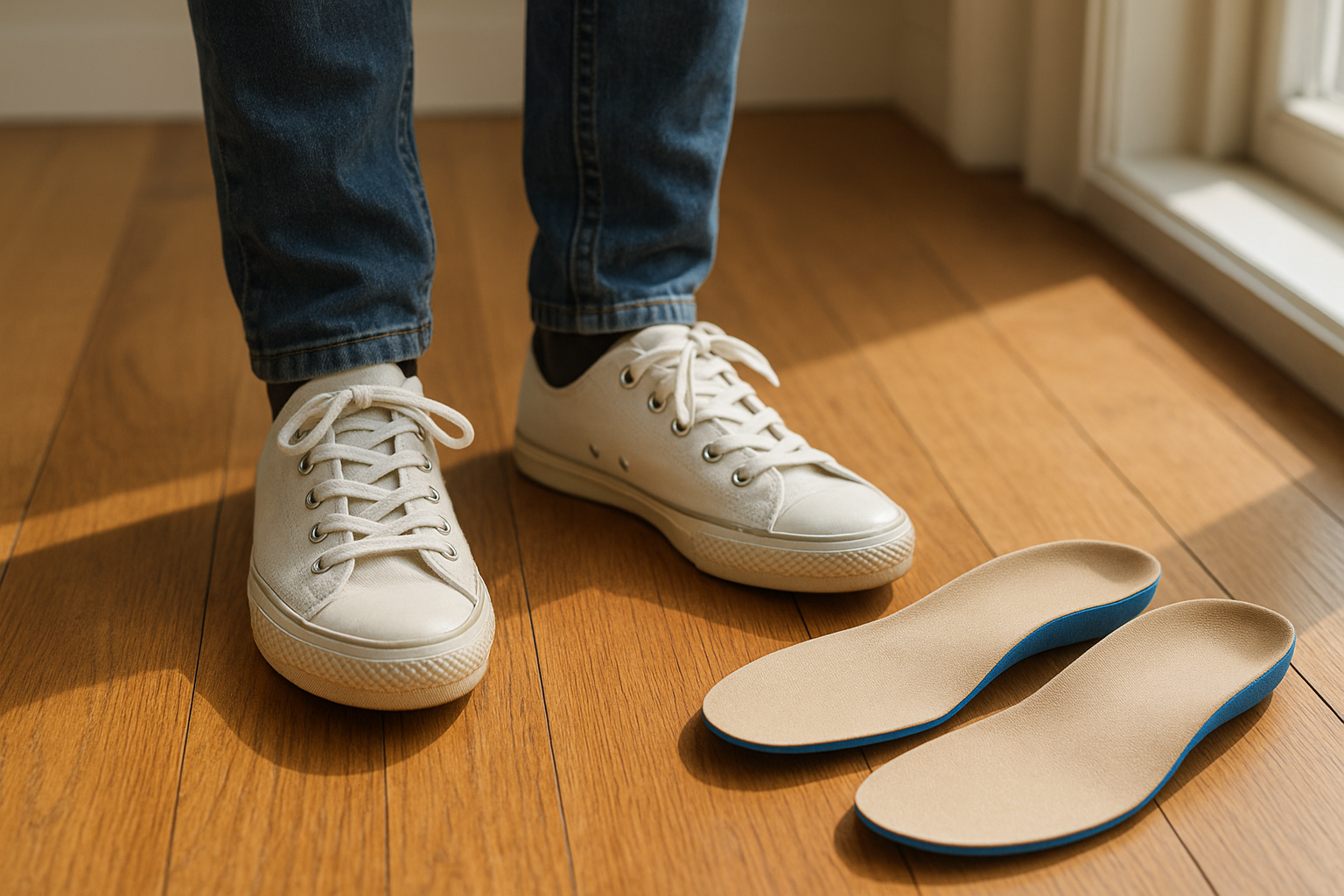
Tailored orthotic devices support real-world movement, not just standing still.
Tailored Orthotic Devices vs. Generic Insoles: Key Differences
The clearest distinction is the fitting process itself. Generic insoles are trimmed to fit a shoe size, while custom orthotic solutions are built from an actual foot mold, taking arch height, heel angle, and pressure distribution into account.
Furthermore, materials differ significantly. Custom devices often combine a firmer shell for structural correction with softer top layers for comfort, a layered approach that off-the-shelf products rarely replicate. Consequently, custom orthotics typically last longer and require fewer replacements over time.
Before placing an order, it helps to understand exactly what to know before you order custom-made orthotics, including how molds are taken and what information your podiatrist will need from you.
How to Choose a Provider for Tailored Orthotic Devices
Not every seller of "custom orthotics" actually takes a physical mold of your foot. Therefore, it's worth confirming that a licensed podiatrist is involved in both the diagnosis and the fabrication process, not just the sale.
Look for a provider with verifiable credentials, transparent pricing, and a track record of patient outcomes. The American Podiatric Medical Association recommends confirming that any orthotic provider involves a qualified foot care professional in the fitting process. If you're still searching locally, this guide on finding a podiatrist who makes custom orthotics near you walks through what to look for.
For patients who cannot visit a clinic in person, providers like customorthotics.com offer complimentary phone consultations directly with a podiatrist and allow orders to be placed through an online platform, making professional-grade custom orthotics accessible regardless of location.
What Do Tailored Orthotic Devices Cost?
Custom orthotics generally cost more upfront than drugstore insoles, largely because of the mold, lab fabrication, and podiatrist involvement. However, that price reflects a device built specifically for your feet rather than a mass-produced product.
Insurance coverage varies widely by plan and diagnosis, so it's worth checking your benefits before ordering. In particular, some plans reimburse orthotics when a podiatrist documents medical necessity related to a diagnosed condition.
If budget is a concern, it's still possible to find affordable custom orthotics without sacrificing quality, provided the provider still takes an actual mold and involves a qualified practitioner in the fitting.
Frequently Asked Questions
What are tailored orthotic devices?
Tailored orthotic devices are custom-made shoe inserts built from a mold or scan of an individual's feet. They correct alignment issues and redistribute pressure in ways that generic insoles cannot.
How do tailored orthotic devices differ from over-the-counter insoles?
Over-the-counter insoles come in a handful of standard sizes and shapes, while tailored orthotic devices are built around your unique foot structure and gait. As a result, custom orthotics target specific pressure points rather than offering general cushioning.
How long does it take to get custom orthotics made?
Most patients receive their finished orthotics within two to four weeks after the mold is taken. Turnaround can vary slightly depending on the lab's workload and the device's complexity.
How much do tailored orthotic devices cost?
Custom orthotics typically range from a few hundred dollars per pair, depending on materials and the provider's fabrication process. This is higher than drugstore insoles but reflects the individualized mold, fitting, and adjustments involved.
Are tailored orthotic devices covered by insurance?
Coverage varies by plan and diagnosis; some insurers reimburse a portion of the cost when a podiatrist documents medical necessity. It's worth checking your policy or asking the provider's office to verify benefits before ordering.
How long do custom orthotics last before needing replacement?
Well-made custom orthotics generally last three to five years with regular use. However, heavy daily wear, weight changes, or foot structure shifts can shorten that lifespan.
Can tailored orthotic devices help with plantar fasciitis?
Yes, custom orthotics are commonly prescribed for plantar fasciitis because they support the arch and reduce strain on the plantar fascia ligament. Many patients notice reduced heel pain within a few weeks of consistent use.
What conditions benefit most from custom orthotic devices?
Flat feet, high arches, bunions, diabetic foot complications, and chronic joint pain in the knees or hips often respond well to tailored orthotic devices. In particular, people who stand or walk for long hours frequently see the biggest improvement.
Do I need to see a podiatrist in person to get tailored orthotic devices?
Not always. Some practices, including remote-friendly providers, offer phone consultations and mail-in mold kits so patients outside the local area can still receive a proper custom fit.
What's the biggest mistake people make when choosing custom orthotics?
The most common mistake is buying a generic "custom-style" insole online without an actual foot mold or podiatrist evaluation. This often leads to a poor fit that fails to correct the underlying problem.
How should I break in new tailored orthotic devices?
Wear new orthotics for just a few hours on the first day, then gradually increase wear time over one to two weeks. This lets your feet adjust to the corrected alignment without soreness.
Can children use tailored orthotic devices?
Yes, children with flat feet, toe walking, or gait abnormalities can benefit from custom orthotics designed for their smaller, still-developing foot structure. A podiatrist should reassess pediatric orthotics more frequently since feet grow quickly.
What's the difference between rigid and soft custom orthotics?
Rigid orthotics use firmer materials to control motion and are often used for structural corrections, while soft orthotics prioritize cushioning and shock absorption. The right choice depends on your diagnosis, activity level, and comfort preference.
Final Thoughts on Tailored Orthotic Devices
Choosing tailored orthotic devices means investing in a solution built specifically for your feet rather than settling for a generic cushion that masks symptoms temporarily. In summary, the process starts with an accurate mold, moves through careful lab fabrication, and ends with a fitting that fine-tunes comfort and support. Above all, working with a qualified podiatrist, whether locally or through a remote consultation, ensures the final device actually addresses the biomechanical issue behind your pain. If chronic foot, knee, or back discomfort has been holding you back, a properly fitted custom orthotic remains one of the most direct ways to move, stand, and walk more comfortably again.