

A sulcus length orthotic is a custom-molded insole that extends to the sulcus, the natural crease where your toes meet the ball of your foot. Unlike shorter devices that stop mid-arch, this length carries support all the way under the metatarsal heads (the rounded bone ends just behind the toes) while leaving the toes themselves free to move. As a result, it delivers even weight distribution and forefoot cushioning for people managing forefoot pain, diabetic foot complications, or the repetitive impact of running and jumping. This guide covers exactly what a sulcus length orthotic does, who it helps most, how it is fabricated, what it costs, and how it stacks up against 3/4 length and full-length designs — everything a patient or clinician needs before ordering one.
Quick answer: A sulcus length orthotic is a custom orthotic shell that reaches the toe crease, supporting the ball of the foot and metatarsal heads without extending under the toes. It sits between a 3/4 length device and a full-length orthotic in terms of coverage, and clinicians sometimes call this modification a sulcus extension when it is added to an existing shell design.
What Is a Sulcus Length Orthotic?
In simple terms, a sulcus length orthotic is a custom foot orthotic that extends to the sulcus line rather than stopping mid-arch or reaching all the way under the toes. Podiatrists frequently prescribe this length for patients who need forefoot cushioning without the bulk of a full-length shell inside dress shoes, cleats, or narrow athletic footwear.
Because the device reaches the metatarsal heads, it distributes pressure far more evenly across the ball of the foot than shorter designs. Consequently, patients with forefoot discomfort often notice a difference that a 3/4 length orthotic simply cannot deliver. In addition, since the shell does not add material beneath the toes, it tends to fit better in shoes with a shallower toe box — a detail that clinical guides on orthotic modifications sometimes gloss over but matters enormously for day-to-day comfort.
Some labs and clinicians refer to this same modification as a sulcus extension, meaning the shell or top cover has been lengthened to the sulcus rather than ending at the standard 3/4 point. Whether you hear it called a sulcus length orthotic, a sulcus extension, or a sulcus-length device, the functional goal stays identical: cushion the forefoot while keeping the toes unobstructed.
The Foot Anatomy Behind the Sulcus Line
To understand why sulcus length matters, it helps to know the anatomy involved. The sulcus is simply the crease that forms on the sole of the foot where the toes bend away from the ball of the foot. Just behind this crease sit the metatarsal heads, the rounded ends of the five long metatarsal bones that bear a significant share of body weight during walking, running, and standing.
During normal gait, the foot rolls forward through a phase called toe-off, and pressure briefly concentrates under these metatarsal heads before shifting to the toes. Therefore, an orthotic that stops short of the sulcus leaves this high-pressure zone uncushioned. A sulcus length orthotic closes that gap, providing support precisely where the load peaks. This is one reason podiatry references, including materials cited by the American Podiatric Medical Association, describe forefoot extensions as a meaningful design consideration rather than a cosmetic afterthought.
| Orthotic Length | Coverage Ends At | Best Suited For |
|---|---|---|
| 3/4 Length | Behind the metatarsal heads | Lightweight arch support, dress shoes, minimal forefoot symptoms |
| Sulcus Length | Toe crease (sulcus) | Metatarsalgia, diabetic feet, athletic shock absorption |
| Full Length | Under the toes | Maximum cushioning, replacing a factory insole entirely |
Sulcus Length Orthotics vs. Other Custom Orthotic Lengths
Choosing the right orthotic length matters just as much as choosing the right arch support. For instance, a 3/4 length orthotic stops well behind the ball of the foot, which keeps it lightweight but offers less forefoot coverage. In contrast, a sulcus length orthotic extends further forward, directly cushioning the metatarsal heads without adding bulk under the toes.
On the other hand, full-length orthotics run all the way under the toes for maximum surface contact and cushioning. If you would like a deeper comparison, this guide on full-length orthotics, their benefits, and how they work covers that option in detail. Meanwhile, patients who specifically want sulcus-style forefoot support can review the sulcus orthotics product page for material and fit options.
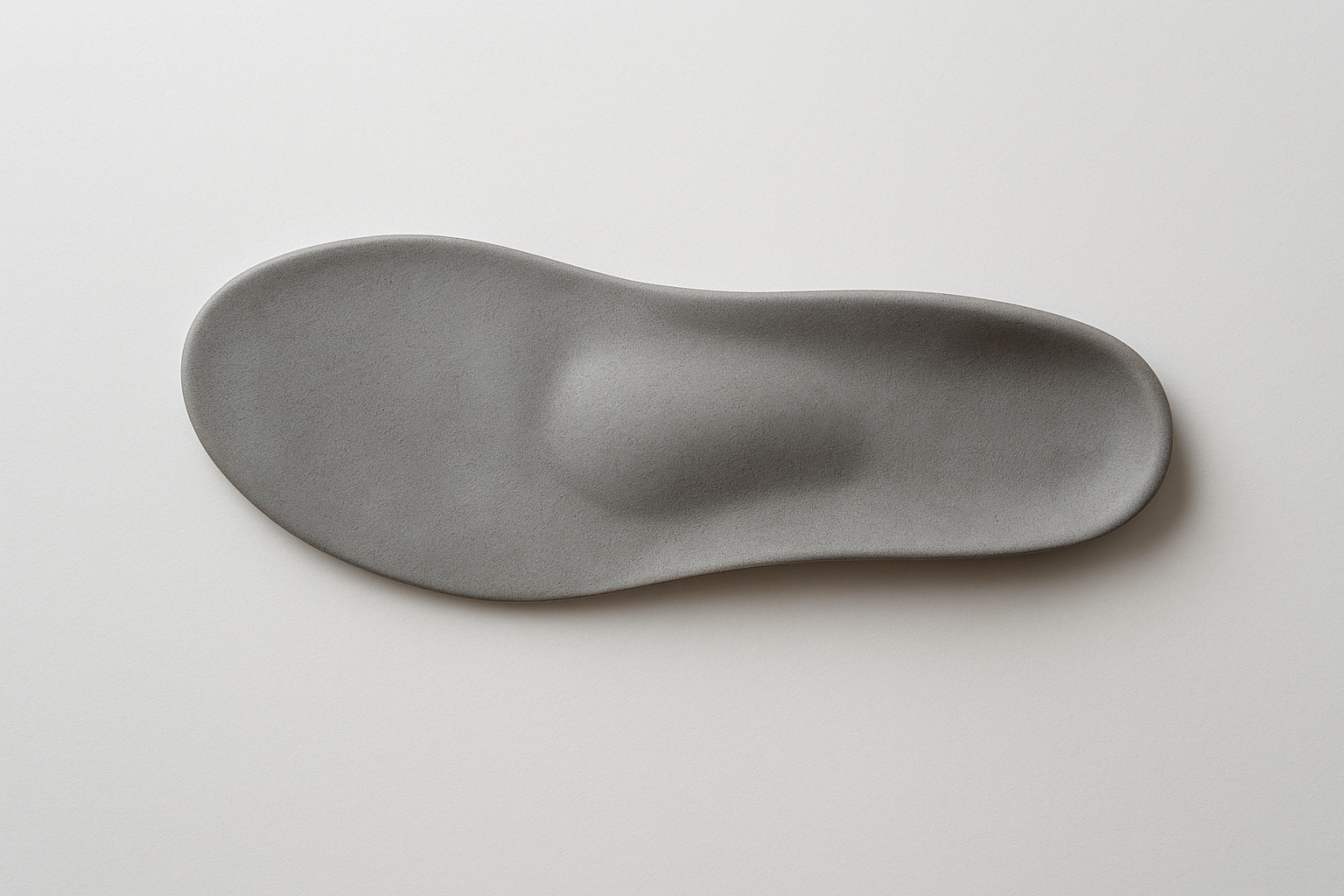
A sulcus length orthotic supports the ball of the foot while leaving the toes free.
Sulcus vs. Sulcus With Heel Post: Which Is Right for You?
A standard sulcus orthotic focuses purely on forefoot cushioning and support. However, a sulcus with heel post orthotic adds a rigid or semi-rigid wedge under the heel to control rearfoot motion, such as overpronation. Therefore, patients dealing with heel instability or gait issues in addition to forefoot pain typically benefit from the heel post version, while those with isolated forefoot symptoms may only need the standard sulcus design.
Who Benefits From Custom Sulcus Orthotic Support
Not everyone needs the same orthotic length, so it helps to understand who this design suits best. Specifically, people dealing with metatarsalgia, which is pain and inflammation in the ball of the foot, often find relief from the added forefoot cushioning. Similarly, patients managing diabetic feet may benefit because the design helps redistribute pressure away from vulnerable, poorly-sensate areas.
In addition, athletes who need shock absorption during running or jumping frequently choose sulcus length orthotics for their balance of support and low bulk. Runners with capsulitis, sesamoiditis, or a history of stress fractures near the metatarsal heads also tend to respond well to this length, since the extension holds cushioning material exactly where forefoot loading spikes during push-off.
If your work keeps you on your feet for long shifts, this related article on the best insoles for people who stand all day offers additional guidance. According to the American Podiatric Medical Association, properly fitted orthotics can play a meaningful role in reducing foot fatigue and pain associated with prolonged standing.
Clinical Indications Podiatrists Look For
Clinically, a sulcus length orthotic is most often indicated when a patient presents with localized tenderness directly under the metatarsal heads, a callus pattern across the forefoot, or a diabetic foot with reduced sensation. In contrast, patients whose primary complaint is arch fatigue or heel pain without forefoot involvement may do just as well with a shorter 3/4 length device. As a result, a thorough gait and pressure assessment before casting remains the single best way to confirm sulcus length is the right choice.
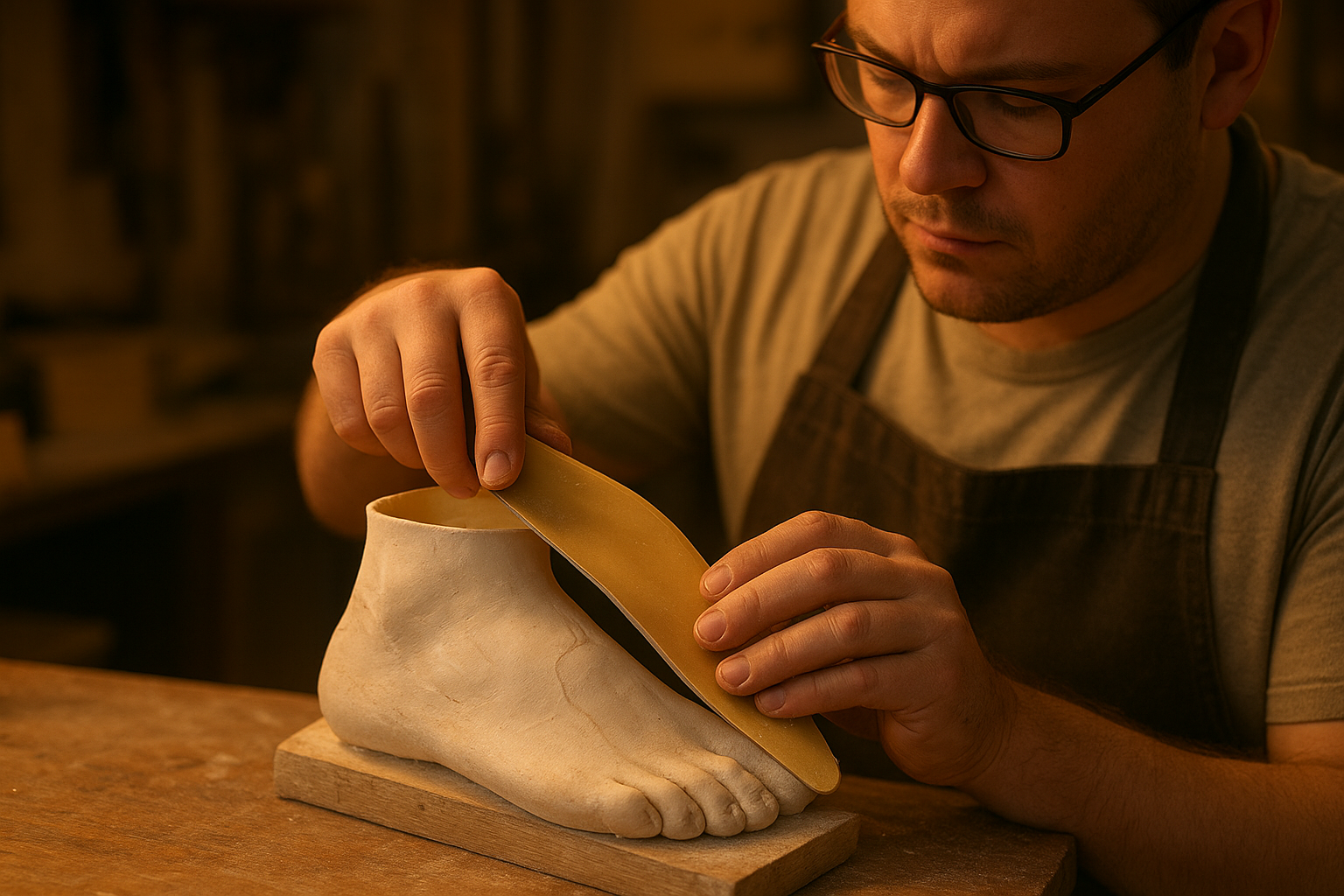
Each custom orthotic is fabricated by hand from an individual foot mold.
Materials, Shell Rigidity, and Padding Options
A sulcus length orthotic is only as good as the materials behind it, so it is worth understanding the choices available. Shells typically come in rigid polypropylene, semi-rigid composite, or flexible EVA foam, and each option changes how much correction versus cushioning the device provides. Rigid shells suit patients who need strong biomechanical control, whereas softer shells suit patients who primarily want comfort and shock absorption.
Furthermore, the sulcus extension itself can be built from a firmer material for structural support or a plush top cover for extra cushioning at the metatarsal heads. Padding additions, such as a metatarsal pad or dancer's pad, are often layered under the sulcus extension to target a specific painful area. Above all, these choices should be made by a podiatrist based on your gait pattern, activity level, and specific diagnosis rather than a one-size-fits-all template.
How Sulcus Length Orthotics Are Made: Step-by-Step Process
Understanding the fabrication process can help you know what to expect before ordering. Below is the typical sequence a podiatric lab follows when creating a custom sulcus length orthotic.
- Schedule a consultation: Speak with a podiatrist by phone or online to discuss foot pain, activity level, and shoe types so the correct orthotic length and features can be determined.
- Take a mold or cast of the foot: A foam box impression or plaster cast captures the precise shape and arch structure of each foot, which forms the base for the finished orthotic device.
- Write the orthotic prescription: The podiatrist specifies the sulcus length, shell rigidity, padding, and any corrections needed, such as a heel post, based on the patient's biomechanics and complaints.
- Fabricate the orthotic in a lab: Skilled technicians shape the orthotic shell over the mold, add the sulcus-length forefoot extension, and apply top covers and padding according to the prescription.
- Fit and adjust the finished device: The patient tries on the completed orthotics inside their own shoes, and any adjustments are made to pressure points, arch height, or edges for lasting comfort.
Research published through the National Institutes of Health has indicated that custom orthotics can reduce forefoot plantar pressure by a meaningful margin in patients with forefoot pain, which helps explain why sulcus length devices are so often recommended for this group. Patients who prefer a guided process can request a complimentary consultation directly through customorthotics.com before committing to a device.
Common Mistakes When Choosing Orthotic Length
Even with good intentions, patients sometimes select the wrong orthotic length for their needs. For example, choosing a 3/4 length device for forefoot pain often falls short because it does not reach the metatarsal heads where the discomfort originates. Similarly, ignoring shoe depth can cause a full-length orthotic to crowd the toe box, leading to blisters or discomfort.
Another frequent error is assuming all sulcus length orthotics are identical. In reality, shell rigidity, padding, and add-ons like a heel post can vary significantly between providers. As a result, working with an experienced podiatrist helps ensure the final device matches your specific foot structure and daily activities, rather than relying on a generic mold.

Properly fitted orthotics support comfort during long hours on your feet.
Cost, Insurance, and Ordering Sulcus Length Orthotics Online
Custom sulcus length orthotics typically cost more than off-the-shelf insoles because each pair is molded individually and hand-fabricated in a lab. Pricing depends on shell material, added features such as a heel post, and whether the consultation happens in person or remotely. Many insurance plans partially cover custom orthotics when a podiatrist documents a qualifying diagnosis, such as diabetes-related foot risk or biomechanical pain, so it is worth checking your benefits before ordering.
Fortunately, ordering no longer requires an in-person clinic visit for every patient. Providers such as customorthotics.com allow patients to complete a phone consultation, receive a mold kit at home, and ship the impression back to the lab for fabrication. This makes professional-grade sulcus length orthotics accessible even to patients who cannot easily reach a podiatry office.
Caring for Your Sulcus Length Orthotics
Wipe orthotics with a damp cloth and mild soap, then air dry them away from direct heat. Avoid soaking them or placing them in a washing machine, since excess moisture can warp the shell and shorten its lifespan. In addition, rotating between two pairs of shoes helps the top cover dry fully between wears, which in turn extends how long the device holds its shape.
Most well-maintained custom orthotics last between two and five years before the shell or padding needs replacing. Therefore, an annual check-in with your podiatrist is a smart habit, especially if your weight, activity level, or footwear has changed since the original casting.
Frequently Asked Questions About Sulcus Length Orthotics
What is a sulcus length orthotic?
A sulcus length orthotic is a custom-molded insole that extends to the sulcus, the crease where the toes meet the ball of the foot. It supports the metatarsal heads and forefoot without covering the toes themselves.
What does "sulcus" mean in orthotics terminology?
In orthotic fabrication, "sulcus" refers specifically to the flexion crease on the sole of the foot located just behind the toes. A "sulcus extension" simply means the orthotic shell has been lengthened up to that crease.
How does a sulcus length orthotic differ from a 3/4 length orthotic?
A 3/4 length orthotic stops well behind the ball of the foot, while a sulcus length orthotic extends further forward to cushion the metatarsal heads. This makes the sulcus design better suited for forefoot pain relief.
Who needs a sulcus length orthotic?
People with forefoot pain, metatarsalgia, diabetic feet, or those who spend long hours standing often benefit most. Athletes needing extra shock absorption in the forefoot also commonly choose this style.
How long does it take to get custom sulcus length orthotics?
Most patients receive their finished orthotics within two to four weeks after the mold is taken. Turnaround can vary slightly depending on the lab and any custom modifications requested.
How much do sulcus length orthotics cost?
Custom sulcus length orthotics typically cost more than off-the-shelf insoles because they are molded individually for each foot. Pricing varies by provider, materials, and any added features like a heel post.
Is a sulcus length orthotic covered by insurance?
Many insurance plans partially reimburse custom orthotics when a podiatrist documents a qualifying diagnosis, such as diabetic foot risk or a biomechanical condition. Coverage details vary, so checking your specific plan beforehand is recommended.
Can sulcus length orthotics help with diabetic feet?
Yes, sulcus length orthotics can help redistribute pressure away from sensitive areas of a diabetic foot. However, patients should always consult a podiatrist to confirm the correct design for their condition.
What shoes work best with sulcus length orthotics?
Sulcus length orthotics fit well in most closed athletic and casual shoes with removable insoles. Because they do not extend under the toes, they also tend to fit better in shallower shoes than full-length designs.
What is the difference between sulcus and sulcus with heel post orthotics?
A standard sulcus orthotic focuses on forefoot support, while a sulcus with heel post adds a rigid or semi-rigid wedge under the heel. The heel post version helps control rearfoot motion in addition to cushioning the forefoot.
Are sulcus length orthotics the same as full-length orthotics?
No, full-length orthotics extend all the way under the toes, while sulcus length orthotics stop at the toe crease. Full-length designs are often preferred for extra cushioning, while sulcus designs save space in tighter shoes.
What are common mistakes when choosing orthotic length?
A common mistake is choosing a shorter orthotic for forefoot pain when the pain source is actually located at the metatarsal heads, which a sulcus design addresses better. Another mistake is ignoring shoe depth, which can cause fit issues.
How do I care for my sulcus length orthotics?
Wipe orthotics with a damp cloth and mild soap, then air dry them away from direct heat. Avoid soaking them or placing them in a washing machine, since excess moisture can warp the shell.
Can I order sulcus length orthotics online?
Yes, many providers, including customorthotics.com, allow patients to order after a phone consultation and mold kit process. This makes professional-grade custom orthotics accessible even for patients who cannot visit in person.
Do sulcus length orthotics help with metatarsalgia?
Sulcus length orthotics are frequently recommended for metatarsalgia because they cushion and support the metatarsal heads directly. This targeted support can reduce pressure-related pain in the ball of the foot, a condition explained further on Wikipedia's overview of metatarsalgia.
Conclusion
In summary, a sulcus length orthotic offers a practical middle ground between shorter 3/4 length devices and bulkier full-length designs, delivering targeted forefoot support without crowding your shoes. Whether you are managing metatarsalgia, diabetic foot concerns, or simply long hours on your feet, this length can make a noticeable difference in daily comfort. Above all, working with an experienced podiatrist ensures your device is molded, prescribed, and adjusted correctly for lasting results. To explore your options or request a complimentary consultation, visit customorthotics.com and take the first step toward healthier, pain-free feet.