

Pain relief foot devices are specialized tools, ranging from custom orthotics to therapeutic insoles, designed to correct alignment issues, cushion pressure points, and ease chronic foot discomfort. For anyone who spends hours standing, walking, or exercising, these devices often make the difference between constant pain and confident, pain-free movement. In this guide, you will learn what these devices actually do, how custom orthotics compare to store-bought options, and how to choose the right device for conditions like plantar fasciitis or structural imbalances.
Quick answer: Pain relief foot devices are orthotics, insoles, or braces that support foot structure and redistribute pressure. Custom versions, molded from a patient's own feet, typically provide longer-lasting relief than generic insoles because they address the root cause of the pain rather than just cushioning the symptom.
What Are Pain Relief Foot Devices?
Pain relief foot devices are orthopedic tools, including custom orthotics, insoles, and braces, that support the foot's structure and reduce strain on muscles and joints. Unlike generic cushioned insoles sold at drugstores, these devices are usually prescribed or custom-made to correct an individual's specific foot mechanics.
Consequently, a podiatrist-molded orthotic will fit differently than a mass-produced version because it accounts for arch height, gait pattern, and pressure distribution unique to each patient. As a result, the device works with the foot's natural motion instead of against it. According to the American Podiatric Medical Association, nearly 77% of adults have experienced foot pain that limited their daily activity at some point, which highlights why properly fitted support matters so much.
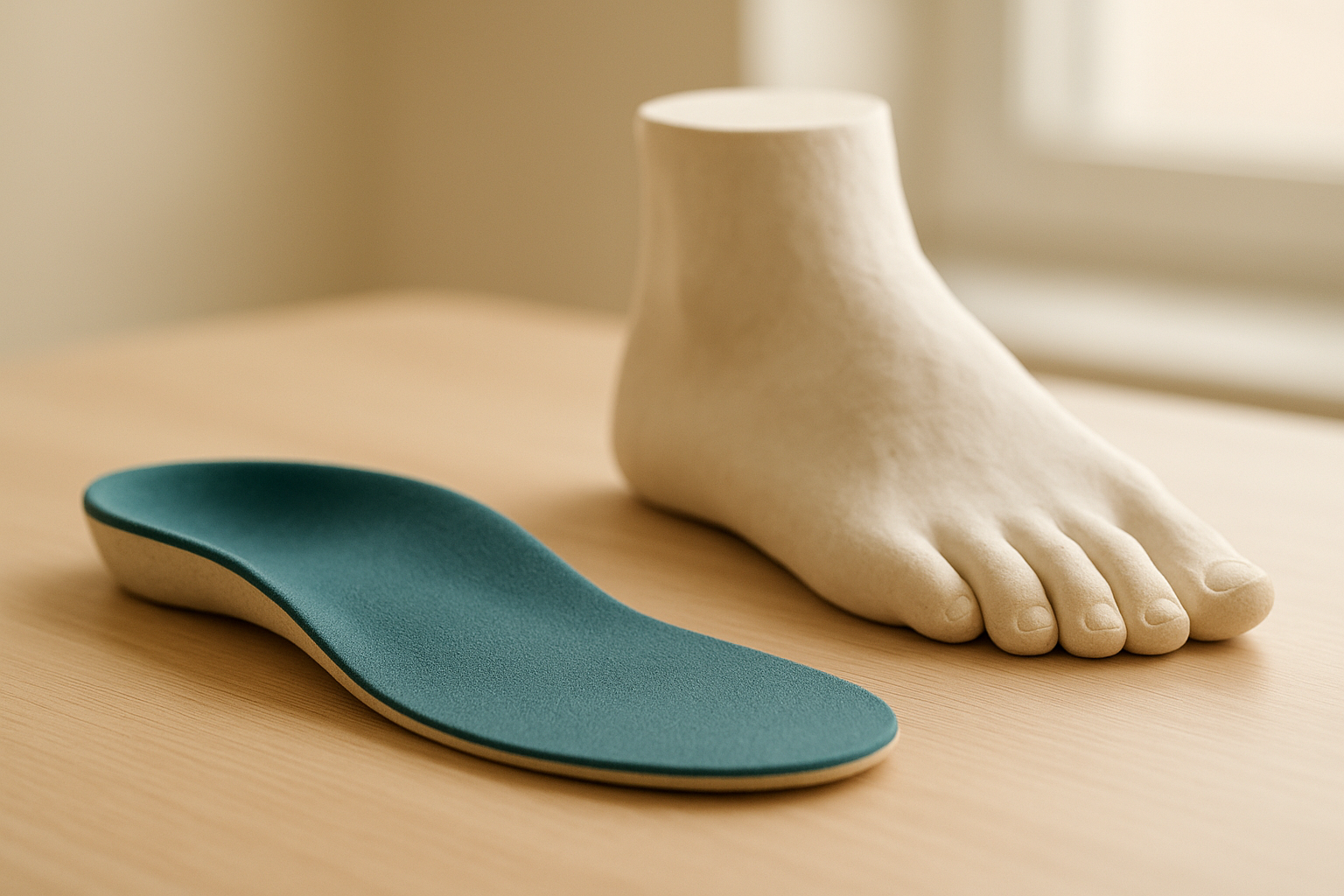
Custom pain relief foot devices are molded directly from each patient's foot for a precise fit.
How Custom Orthotics Deliver Lasting Foot Pain Relief
Custom orthotics work by realigning the foot's bones and soft tissue into a more neutral position. In particular, this reduces excess pressure on the heel, arch, and ball of the foot, three areas where chronic pain most often develops. Furthermore, because the device is shaped from an actual mold of the patient's foot, it continues to support that unique structure through walking, standing, and even athletic movement.
Custom Orthotics vs Off-the-Shelf Insoles
Off-the-shelf insoles offer general cushioning but rarely correct an underlying biomechanical problem. In contrast, custom devices are built from a precise mold, so they target the specific misalignment causing the pain. For a closer look at how these options compare, this guide to top custom orthotic options for foot pain breaks down the differences in more detail.
Similarly, patients who have tried generic insoles without success often find that a properly fitted orthotic resolves pain that generic products never touched. Above all, the difference comes down to individualized design versus a one-size-fits-most approach.
Conditions That Respond Well to Corrective Foot Support
Corrective foot support devices help with a wide range of conditions. Plantar fasciitis, for example, is one of the most common reasons patients seek custom orthotics. The National Institute of Arthritis and Musculoskeletal and Skin Diseases notes that plantar fasciitis affects roughly one in ten people at some point in their life, making it a significant driver of chronic heel pain.
Beyond plantar fasciitis, flat feet, high arches, bunions, and metatarsal pain also respond well to targeted support. For instance, a metatarsal support orthotic can relieve pressure on the ball of the foot for people who spend long hours standing. Meanwhile, patients dealing specifically with heel and arch pain may benefit from reviewing this complete plantar fasciitis relief guide for condition-specific advice.

A thorough foot assessment helps determine which pain relief foot devices will work best.
How to Get Fitted for Custom Pain Relief Foot Devices
Getting fitted for custom pain relief foot devices follows a clear, structured process. Understanding each step helps set realistic expectations for timing and results.
- Schedule a consultation. Call or book online for a complimentary consultation with a podiatrist to discuss symptoms, activity level, and prior treatments that have not resolved the pain.
- Complete a foot exam and mold. The podiatrist performs a physical exam and takes a precise mold or scan of each foot to capture the exact arch shape, pressure points, and structural imbalances.
- Review the biomechanical analysis. The provider reviews gait patterns and pressure distribution findings with the patient, explaining how the custom device will target the specific cause of the pain.
- Fabricate the custom orthotic. Skilled technicians fabricate the orthotic device directly from the individual mold, selecting materials suited to the patient's weight, activity, and footwear.
- Attend the fitting and adjustment visit. During the fitting appointment, the podiatrist checks alignment, comfort, and shoe compatibility, then makes any adjustments needed before daily use begins.
Therefore, patients typically move from consultation to a finished, wearable device within two to four weeks. You can start this process directly through customorthotics.com, whether locally or by ordering remotely.
Choosing the Right Therapeutic Foot Devices for Your Lifestyle
Selecting the right therapeutic foot devices depends on activity level, footwear, and the specific condition being treated. For example, an athlete may need a firmer orthotic designed to withstand impact, while an office worker may prioritize all-day comfort in dress shoes.
In addition, material choice matters. Rigid orthotics correct alignment more aggressively, whereas softer materials focus on cushioning and shock absorption. Consequently, working with an experienced podiatrist rather than guessing at a generic product tends to produce better long-term outcomes. This guide to choosing the best-fit custom orthotics walks through additional factors worth considering before ordering.
Meanwhile, patients still exploring their options broadly may find it helpful to review custom pain relief solutions that actually work before committing to a specific device type. For more background on orthotic design and history, see the Wikipedia overview of orthotics.

Well-fitted pain relief foot devices allow for comfortable, confident movement throughout the day.
Frequently Asked Questions About Pain Relief Foot Devices
What are pain relief foot devices?
Pain relief foot devices are orthopedic tools, including custom orthotics, insoles, and braces, that support foot structure and reduce strain on muscles and joints. They redistribute pressure across the foot to ease chronic discomfort during standing, walking, or exercise.
How do custom orthotics differ from over-the-counter insoles?
Custom orthotics are molded directly from a patient's foot, so they match individual arch height and pressure points precisely. Over-the-counter insoles use generic shapes that rarely address a specific structural imbalance.
How long does it take to get custom orthotics?
Most custom orthotics are ready within two to four weeks after the initial foot mold is taken. Some providers offer expedited fabrication for patients with urgent pain or mobility concerns.
How much do custom orthotics cost?
Custom orthotics typically range from a few hundred dollars up to several hundred more, depending on the materials and complexity of the design. Many insurance plans partially reimburse the cost when a podiatrist prescribes them for a diagnosed condition.
Can pain relief foot devices help plantar fasciitis?
Yes, custom orthotics are among the most recommended pain relief foot devices for plantar fasciitis because they support the arch and reduce tension on the plantar fascia. Consistent use often reduces heel pain within a few weeks.
What common mistakes do people make when choosing foot pain devices?
A common mistake is buying generic insoles without a proper foot assessment, which can worsen alignment issues. Another is expecting instant results instead of allowing a break-in period of one to two weeks.
How do I know if I need custom orthotics?
Persistent heel, arch, or ball-of-foot pain that does not improve with rest or standard footwear often signals a structural issue best addressed with custom orthotics. A podiatric evaluation can confirm whether custom support is appropriate.
Are pain relief foot devices covered by insurance?
Many insurance providers cover a portion of custom orthotic costs when a licensed podiatrist documents medical necessity. Coverage details vary widely, so patients should verify benefits before ordering.
How long do custom orthotics last?
Custom orthotics generally last three to five years with regular use, depending on materials and activity level. Athletes or people on their feet all day may need replacements sooner.
What conditions can pain relief foot devices treat?
These devices commonly help plantar fasciitis, flat feet, high arches, bunions, diabetic foot complications, and general joint misalignment. Because each device is customized, treatment targets the specific root cause rather than just symptoms.
Can I order custom orthotics online?
Yes, many podiatrist-led practices now offer remote ordering with an at-home mold kit or a guided consultation. This makes professional-grade foot care accessible even when an in-person visit isn't practical.
What is the best practice for breaking in new orthotics?
Gradually increase wear time over one to two weeks, starting with a few hours a day before moving to full-day use. This allows the foot and surrounding muscles to adjust to the new support pattern.
Final Thoughts on Pain Relief Foot Devices
In summary, pain relief foot devices, especially custom orthotics molded from an individual's own feet, offer a targeted way to address chronic foot pain rather than simply masking it. Whether the cause is plantar fasciitis, flat feet, or general structural imbalance, a properly fitted device can restore comfortable movement over time. Above all, working with an experienced podiatrist ensures the device matches the specific problem, not just a generic shape.
Ultimately, anyone dealing with persistent foot discomfort should consider a professional evaluation before choosing a device. Visit customorthotics.com to schedule a complimentary consultation and take the first step toward lasting relief.