

A heel post is the wedge-shaped correction built into the rear portion of a custom orthotic, and it is the single feature most responsible for fixing how your foot strikes the ground with every step. Podiatrists prescribe a heel post to control excess rearfoot motion, which, left uncorrected, often travels upward and causes pain in the ankle, knee, hip, and lower back. In this guide, we explain exactly what a heel post is, how it is engineered into custom orthotics, who actually needs one, and how it compares to generic insoles and heel cups. For additional background, our complete guide to rear foot posting and our heel post guide covering why it matters for your feet expand on several topics in more technical detail.
Quick answer: A heel post is a wedge added beneath the heel of an orthotic to tilt the rearfoot into a more neutral position. It reduces overpronation or oversupination, which in turn eases strain on the feet, ankles, and knees.
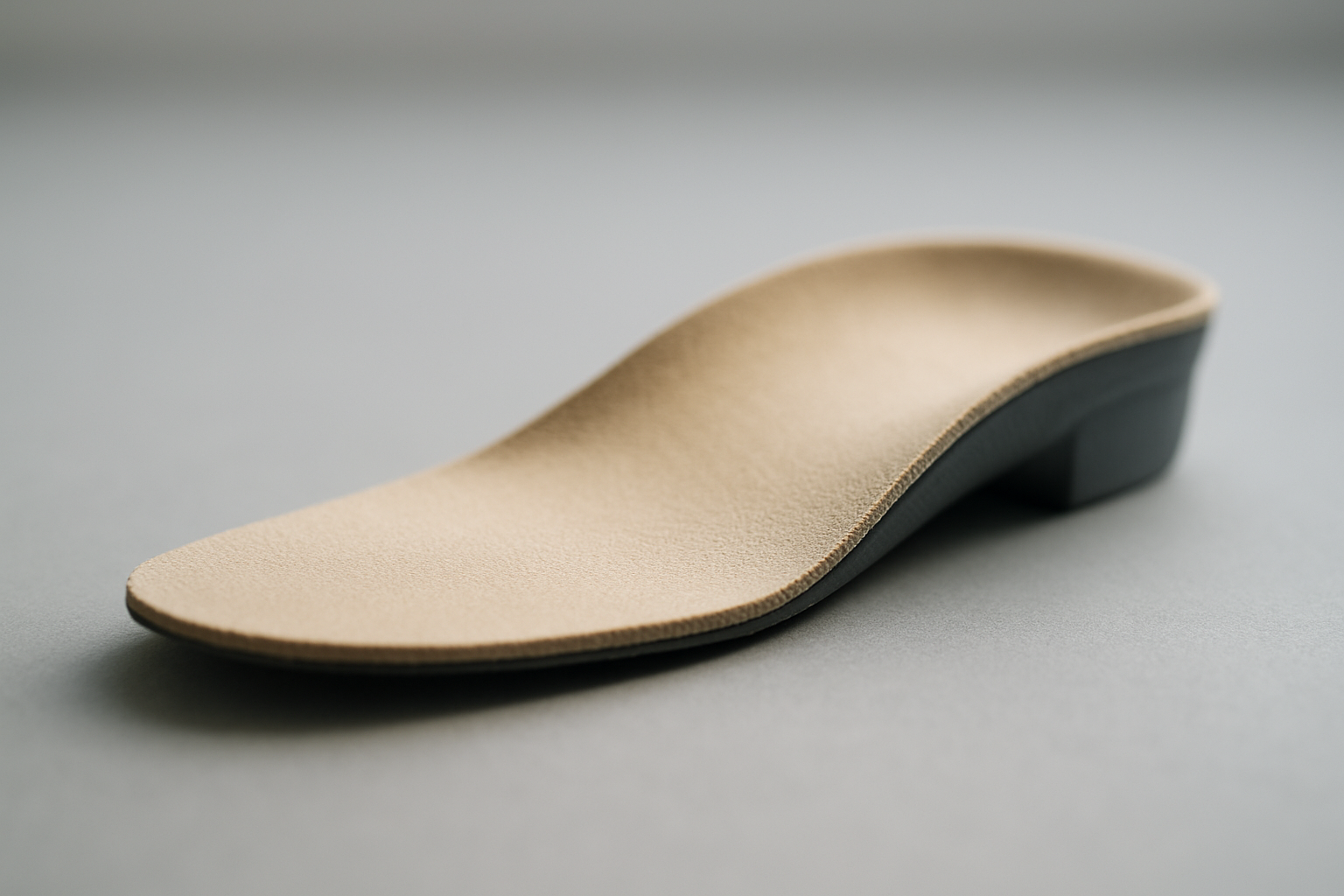
A heel post is built into the rear of the orthotic shell to correct rearfoot alignment.
What Is a Heel Post, Exactly?
A heel post is the corrective wedge built into the underside of the heel area on a custom orthotic. Specifically, it changes the angle at which your heel first contacts the ground, which then influences how the rest of the foot and lower leg align throughout the entire gait cycle (the full sequence of motion your body goes through with every step). Because the heel strikes first while walking, even a small correction here creates a meaningful ripple effect through the ankle, shin, and knee.
In practice, a podiatrist decides the exact thickness and angle of the post only after examining how your foot moves. Therefore, no two heel posts are identical, since each one is shaped around an individual mold rather than a generic, one-size-fits-all template. As a result, a heel post functions less like generic cushioning and more like a precision mechanical correction.
Medial vs. Lateral Heel Post: Which Rearfoot Posting Do You Need?
Rearfoot posting comes in two primary forms, and understanding the difference explains why an accurate diagnosis matters so much. A medial heel post is thicker along the inner edge of the heel, and it corrects overpronation, meaning the foot rolls too far inward. In contrast, a lateral heel post is thicker along the outer edge and addresses oversupination, where the foot instead rolls outward.
Both corrections aim for the same outcome: a stable, neutral rearfoot position. However, applying the wrong type can worsen discomfort rather than relieve it, which is exactly why a hands-on gait assessment must come before fabrication begins. According to the American Podiatric Medical Association, a professional evaluation of foot mechanics is a necessary step before recommending any corrective device, and posting is no exception.
How Podiatrists Tell the Difference During an Exam
During a gait assessment, a podiatrist typically watches you walk and stand from behind to see which way your heel tilts. In particular, they look at the Achilles tendon's alignment relative to the ground. If it bows inward, overpronation is likely; if it bows outward, oversupination is more probable. This visual check, combined with a physical mold, is what ultimately determines whether a medial or lateral heel post is the right fit for your feet.
How a Heel Post Corrects Foot Alignment
A heel post corrects foot alignment by physically limiting how far the heel can roll in one direction before the orthotic resists further motion. As a result, the ankle, shin, and knee no longer have to compensate for that excess movement on their own. Over time, this reduced strain often translates into noticeably less soreness after standing or walking for long periods.
Furthermore, better rearfoot alignment improves how weight distributes across the rest of the foot. For example, patients with plantar fasciitis frequently notice reduced heel pain because the fascia (the thick band of tissue running along the bottom of the foot) is no longer stretched unevenly with every step. The Wikipedia entry on plantar fasciitis outlines how repetitive strain on this tissue is a leading cause of chronic heel pain, which a properly angled heel post is specifically designed to counteract.
The Biomechanics Behind Heel Posting
In biomechanical terms, the heel post works by shifting the subtalar joint's resting position, which is the joint just below the ankle responsible for most of the foot's inward and outward roll. Consequently, when that joint sits closer to neutral, the forces traveling up the leg during walking or running become more evenly distributed. Similarly, this redistribution is why heel posting is often paired with other orthotic features, such as arch support, for a complete correction rather than a single isolated fix.
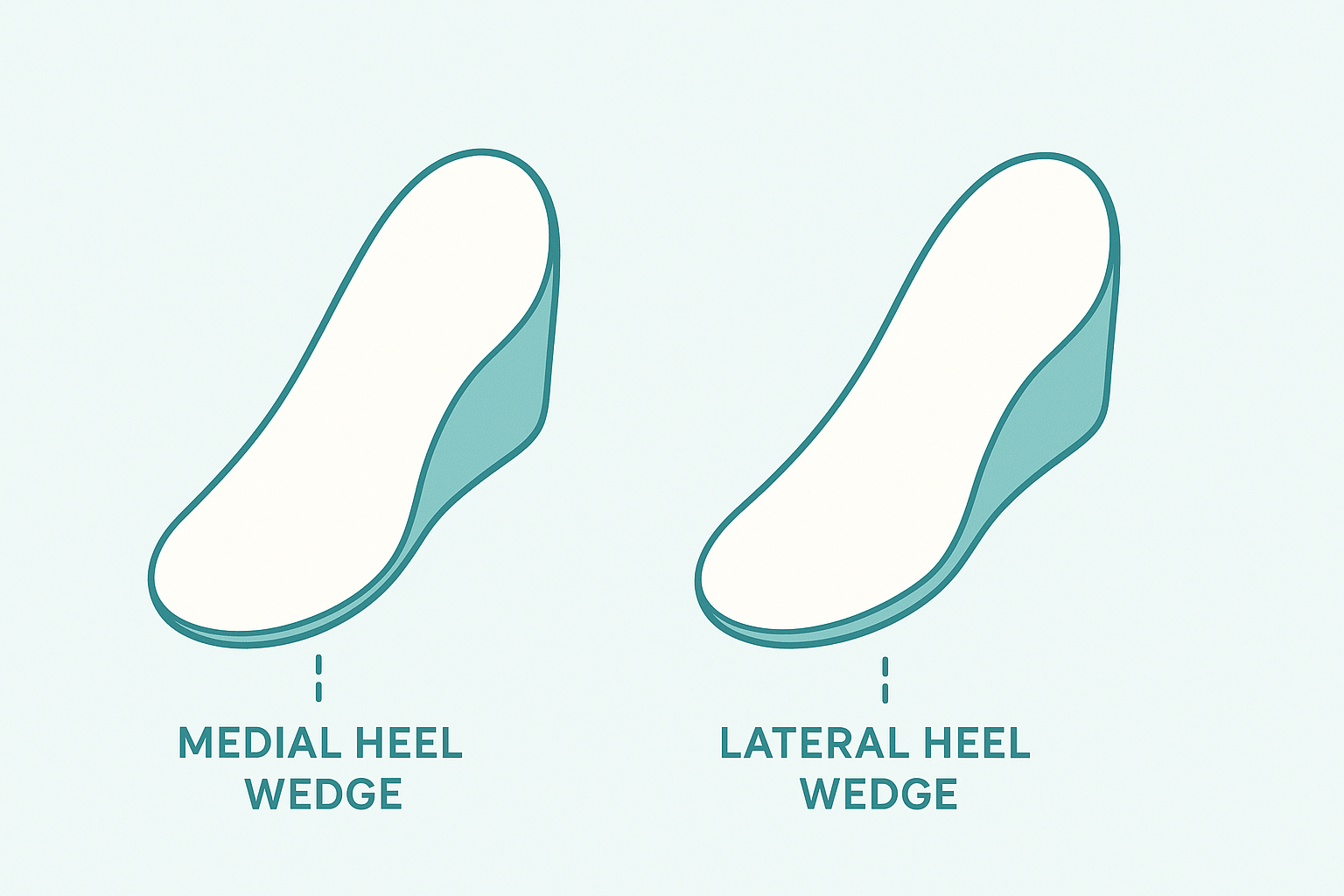
Medial and lateral heel post placement correct opposite types of rearfoot motion.
Who Needs a Heel Wedge in Their Orthotics?
Not everyone requires a heel wedge, but several common conditions make one especially useful. These include flat feet, high arches with instability, plantar fasciitis, shin splints, Achilles tendon irritation, and chronic knee pain linked to a gait imbalance. In addition, athletes who log high weekly mileage sometimes need posting simply to reduce cumulative joint stress before an injury develops.
On the other hand, someone with a naturally neutral gait may not need this correction at all. That is precisely why a proper mold and evaluation, rather than guesswork, should guide the decision. A study summarized through the U.S. National Library of Medicine's research database notes that foot orthoses, including posted designs, are commonly recommended for mechanically driven foot pain as a conservative measure before more invasive treatment is considered. For readers researching flat feet specifically, the NHS overview of flat feet offers additional, medically reviewed context on when correction becomes necessary.
Signs You May Need a Heel Post
- Heel pain that is worst with your first steps in the morning
- Shoes that wear unevenly on the inner or outer edge of the heel
- Visible rolling of the ankle inward or outward while standing
- Knee pain on the inside of the joint after long walks
- A history of shin splints or recurring ankle sprains
If any of these sound familiar, in particular more than one at once, a podiatric evaluation is worth scheduling before symptoms worsen. Our article on what posted heel orthotics mean and who needs them goes further into these warning signs.
How Custom Heel Post Orthotics Are Made
Building a properly posted orthotic is a precise, multi-step process. Below is the general sequence a podiatrist-led practice follows from first consultation to finished device.
- Complimentary consultation: A podiatrist reviews your symptoms, foot type, and daily activity level during a phone or in-person consultation to determine whether a heel post is appropriate for your case.
- Foot mold and gait assessment: The practice takes a physical mold or scan of each foot and observes how the rearfoot moves while standing and walking to identify pronation or supination patterns.
- Correction angle calculation: Using the mold data, the podiatrist calculates the precise medial or lateral wedge angle needed to bring the heel into a neutral, stable position for that individual patient.
- Fabrication of the orthotic shell and post: Skilled technicians build the orthotic shell around the mold and attach the heel post at the calculated angle, ensuring it blends smoothly into the rear of the device.
- Fitting and adjustment: Once fabricated, the orthotic is fitted to the patient's shoes and gait is rechecked, with minor adjustments made to the post height or shell as needed for comfort.
Because this process relies on an individual mold rather than a mass-produced shape, it typically takes about two to three weeks from consultation to delivery. You can start the process by requesting a complimentary consultation directly through customorthotics.com.
Materials Used in Rearfoot Posting
Heel posts are typically built from rigid polypropylene for maximum correction, semi-rigid EVA foam for a gentler feel, or a layered combination of both. Rigid posts suit patients needing strong motion control, such as those with significant overpronation. Semi-rigid materials, however, work well for patients who want correction alongside extra shock absorption, since they flex slightly with each step rather than resisting motion entirely.
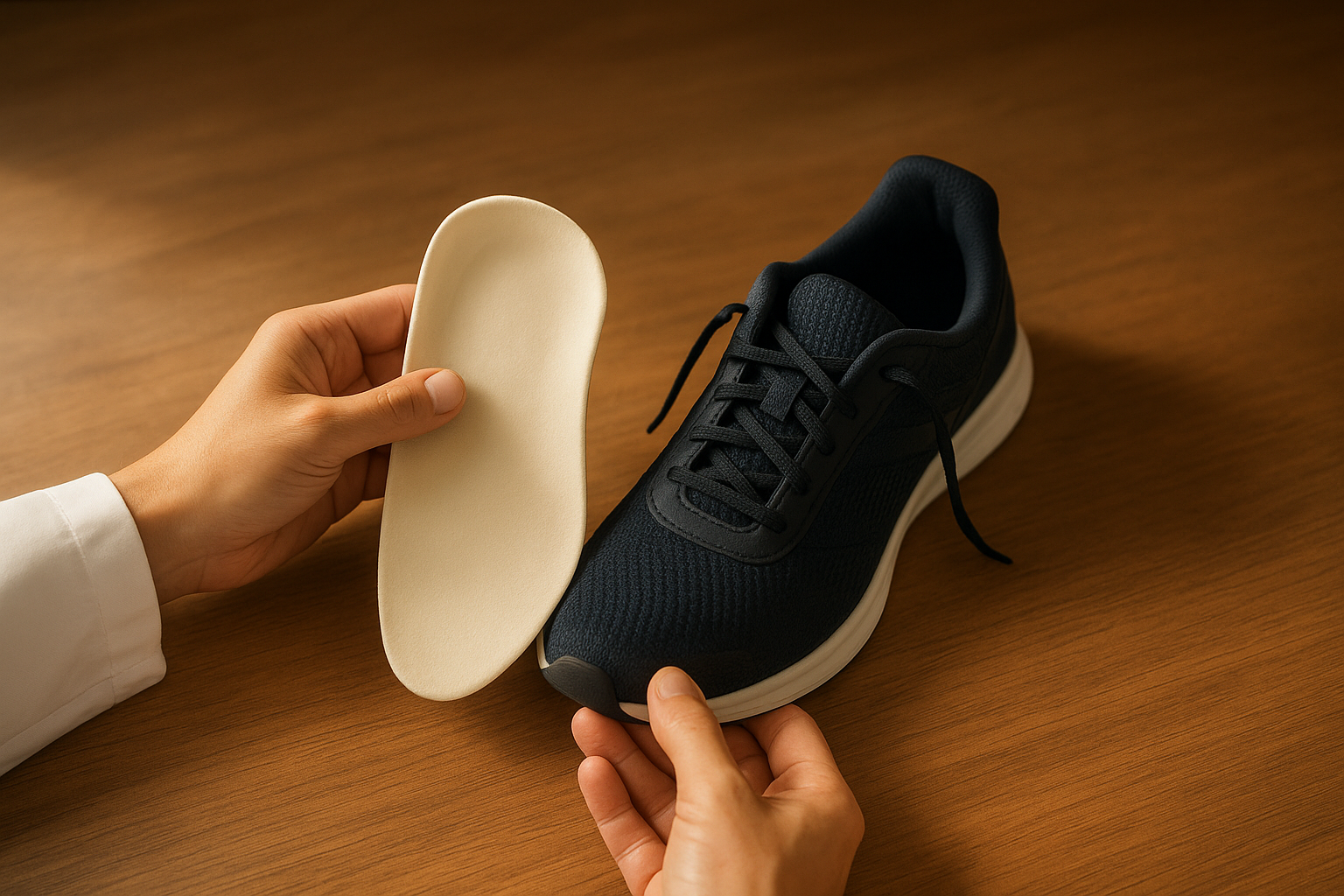
A podiatrist checks the fit of a custom orthotic before finalizing the heel post angle.
Choosing the Right Posted Orthotic for Your Feet
Once a podiatrist confirms you need a heel post, the next decision is which orthotic style fits your footwear and lifestyle. For dress shoes or tighter footwear, a 3/4 length orthotic with a heel post often works best because it takes up less room in the shoe. For athletic shoes or boots, a full-length orthotic with a heel post provides support all the way to the toes.
Patients dealing with forefoot pain alongside rearfoot instability sometimes benefit from a sulcus orthotic with a heel post, which extends support closer to the toes for added stability. In any case, browsing the full collection of custom orthotics alongside a podiatrist's recommendation remains the most reliable way to match the right design to your feet.
Heel Post Orthotics vs. Standard Insoles
Standard, off-the-shelf insoles typically provide cushioning but little to no true correction. In contrast, a custom orthotic with a heel post is built from an individual mold, which means the wedge angle matches your exact foot mechanics rather than an averaged shape. As a result, the correction is far more precise and often considerably more effective for chronic pain.
Additionally, standard insoles wear down quickly and offer no adjustment if your needs change. Custom heel post orthotics, however, are typically more durable and can be reassessed and refined over time as part of ongoing podiatric care. The general concept of orthoses correcting foot mechanics is well documented on Wikipedia's orthotics overview, which distinguishes custom-molded devices from generic, mass-produced supports.
Cost of a Custom Orthotic With a Heel Post
Pricing varies by provider and materials, but custom-molded orthotics with a heel post typically cost more than off-the-shelf inserts because they involve individual fitting and hands-on fabrication. However, many patients find the added expense worthwhile since the correction is built specifically for their feet rather than approximated. Many practices, including ours, offer a complimentary consultation so you can weigh the options before committing.
Breaking In Your New Heel Post Orthotics
Most people adjust within one to three weeks of gradually increasing wear time. Specifically, starting with two to three hours a day and adding an extra hour every few days helps the foot and lower leg muscles adapt comfortably. In contrast, wearing new posted orthotics all day right away is one of the most common mistakes patients make, since it can cause temporary soreness that discourages continued use.
Heel Post vs. Heel Cup vs. Heel Lift: Clearing Up the Confusion
These three terms are often mixed up, yet each serves a distinct purpose. A heel post is a rigid or semi-rigid wedge that controls alignment by limiting rearfoot roll. A heel cup, however, simply cradles the fatty pad under the heel for cushioning and shock absorption, without correcting any mechanical movement. A heel lift, meanwhile, raises the entire heel to address leg length differences rather than correcting side-to-side motion.
In many custom orthotics, these features are combined. For instance, a single device might include a heel post for alignment plus a heel cup layered on top for comfort. Understanding this distinction helps you ask more precise questions during your podiatry consultation.
Frequently Asked Questions About Heel Posts
What is a heel post in an orthotic?
A heel post is a wedge-shaped piece built into the rear portion of an orthotic that tilts the heel into a more neutral position. It controls how much the foot rolls inward or outward during walking.
How does a heel post reduce foot pain?
A heel post limits excess rearfoot motion, which reduces strain on the plantar fascia, Achilles tendon, and ankle joint. As a result, many patients notice less heel and arch pain within a few weeks of wearing posted orthotics.
What is the difference between a medial and lateral heel post?
A medial heel post is thicker on the inner edge of the heel and corrects overpronation, while a lateral heel post is thicker on the outer edge and corrects oversupination. A podiatrist determines which type fits your gait pattern.
Do all custom orthotics include a heel post?
No, not every orthotic design includes one. A heel post is added specifically when a mold and gait analysis show rearfoot instability that needs correction, so it is prescribed rather than automatically included.
How long does it take to get used to a heel post?
Most people adjust within one to three weeks of gradually increasing wear time. Starting with a few hours a day and building up helps the foot and lower leg muscles adapt comfortably.
Can a heel post fix flat feet permanently?
A heel post cannot permanently reshape the foot's bone structure, but it can significantly improve alignment and reduce pain while worn. Consistent use often prevents the secondary problems flat feet tend to cause.
How much does a custom orthotic with a heel post cost?
Pricing varies by provider and materials, but custom-molded orthotics with a heel post typically cost more than off-the-shelf inserts because they involve individual fitting and hands-on fabrication. Many practices, including ours, offer a complimentary consultation to discuss options first.
What is the difference between a heel post and a heel cup?
A heel cup cradles the fatty pad under the heel for cushioning and shock absorption, while a heel post is a rigid or semi-rigid wedge that controls alignment. Orthotics often combine both features for support and comfort.
Who typically needs rearfoot posting in their orthotics?
People with plantar fasciitis, overpronation, flat feet, shin splints, or chronic knee pain from gait imbalance often benefit from rearfoot posting. A podiatrist evaluation confirms whether this correction applies to your specific foot mechanics.
Can I add a heel post to shoes I already own?
A heel post is built into the orthotic itself rather than added directly to a shoe. However, a properly fitted custom orthotic with a heel post can be transferred between multiple pairs of supportive shoes.
What common mistakes do people make with posted orthotics?
A frequent mistake is wearing new posted orthotics all day immediately instead of breaking them in gradually. Another is choosing an over-the-counter insert instead of a custom mold, which cannot match the precise correction angle a heel post requires.
How is the correct heel post angle determined?
A podiatrist measures the foot's resting and functional position, often using a cast or 3D scan, to calculate the exact degree of correction needed. This angle is then built into the mold before fabrication.
Is a heel post the same thing as an orthotic wedge?
Yes, the terms heel post, rearfoot post, and heel wedge are generally used interchangeably in podiatry to describe the same corrective element at the back of the orthotic.
Does insurance cover heel post orthotics?
Coverage depends on your specific plan and whether the orthotic is deemed medically necessary for a diagnosed condition. Many patients find that a podiatrist's documented evaluation improves the odds of partial reimbursement.
Can children wear heel post orthotics?
Yes, children with diagnosed gait imbalances can wear posted orthotics, though growth means molds typically need updating more frequently than for adults. A pediatric podiatric evaluation should guide any posting decision for a child.
How long do heel post orthotics last before replacement?
Most custom orthotics with a heel post last between two and five years, depending on materials, activity level, and body weight. Periodic podiatric checkups help determine when a replacement or adjustment is needed.
Final Thoughts on Heel Posts
In summary, a heel post is a small but powerful feature that shapes how your entire foot and leg move with each step. Whether correcting overpronation with a medial post or oversupination with a lateral post, this wedge addresses the root mechanical cause of pain rather than simply cushioning the symptom. Above all, getting the angle right requires an individual mold and a professional gait assessment, not a generic insert.
If you suspect a heel post could help your feet, ankles, or knees feel better, the next step is a proper evaluation. You can request a complimentary consultation and explore custom fabrication options at customorthotics.com to start the process toward a properly posted, pain-relieving orthotic.