
Custom prescription orthotics are medical-grade shoe inserts molded from an exact impression of a patient's feet and fitted under the guidance of a podiatrist to correct pain and structural imbalances. Unlike the flat foam insoles sold at pharmacies, these devices are engineered around the unique shape, gait, and pressure points of your individual feet. As a result, they can address chronic conditions rather than simply cushioning symptoms.
Quick Answer: Custom prescription orthotics are personalized foot supports made from a mold of your feet and prescribed by a podiatrist. They typically cost between $200 and $800, take two to four weeks to fabricate, and can relieve conditions such as plantar fasciitis, flat feet, and chronic joint pain.
What Are Custom Prescription Orthotics?
Custom prescription orthotics is a term describing footwear inserts built entirely from a physical mold or 3D scan of a patient's foot, then fabricated to a podiatrist's precise specifications. Because the device mirrors the exact arch height, heel angle, and pressure distribution of your foot, it can redirect forces away from painful areas. In contrast, mass-produced insoles are shaped for an average foot, so they rarely correct the specific misalignment causing your discomfort.
Podiatrists typically prescribe these devices after evaluating gait patterns, pain history, and any structural conditions such as flat feet or high arches. According to the American Podiatric Medical Association, proper foot alignment plays a direct role in reducing strain on the knees, hips, and lower back. Therefore, a well-fitted orthotic can influence comfort well beyond the foot itself.
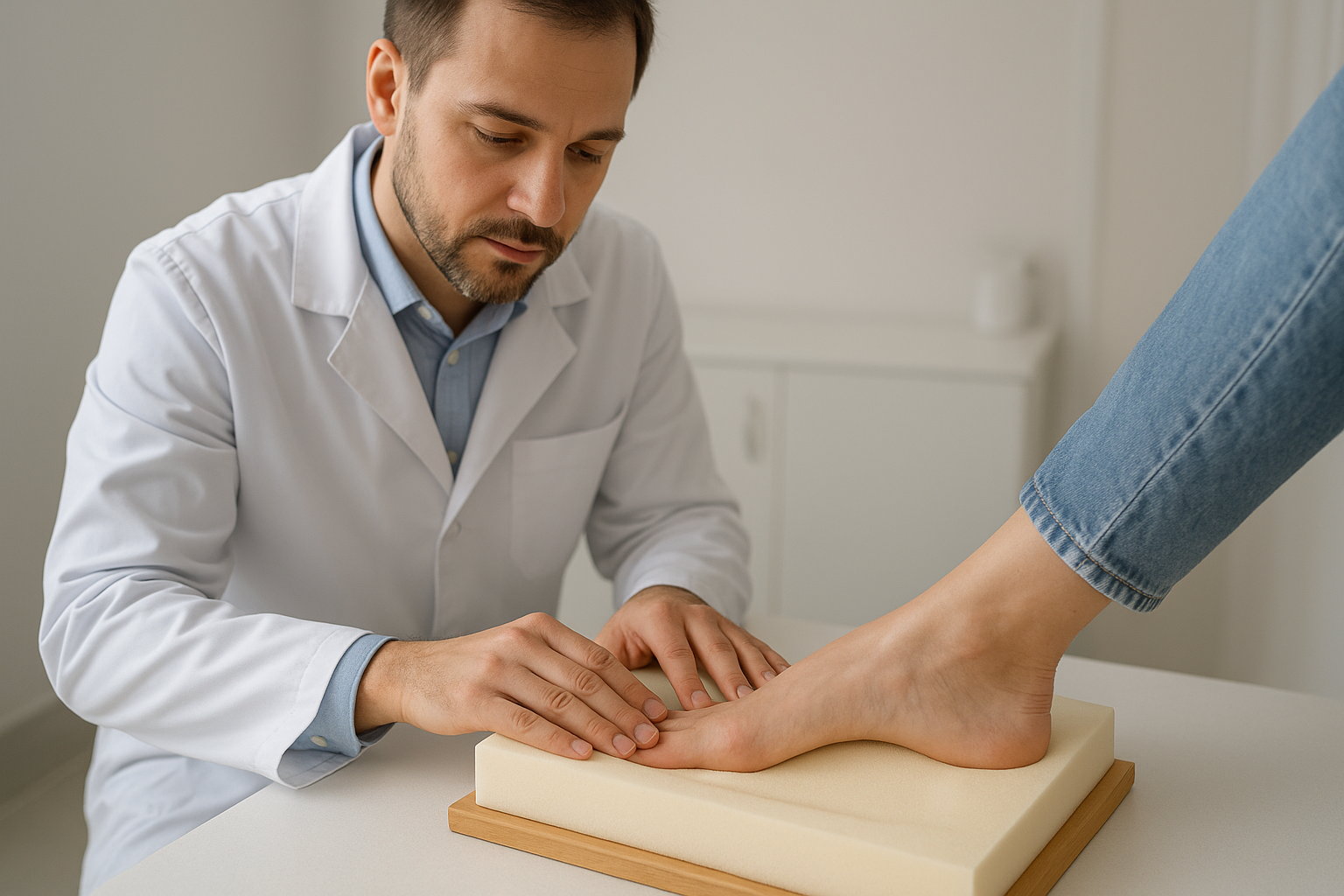
Creating an accurate mold is the first step toward truly custom prescription orthotics.
How Custom Orthotic Devices Are Made
The fabrication process starts with a mold, either taken in an office visit or through an at-home impression kit. Specifically, the podiatrist captures the foot in a neutral, corrected position rather than simply tracing its resting shape, which matters greatly for the final fit. This mold is then sent to a lab where technicians select materials based on the intended level of support.
Rigid materials like polypropylene or carbon fiber work well for structural corrections, while semi-rigid or soft foams suit patients with diabetes or sensitive skin. Consequently, no two pairs of custom prescription orthotics are ever exactly alike, even when addressing the same diagnosis. For a deeper look at the ordering process itself, this guide to ordering custom-made orthotics online walks through each stage in detail.
Signs You Might Need Prescription Foot Orthotics
Many people wait years before seeking help, often assuming foot pain is simply a normal part of aging or an active lifestyle. However, persistent heel pain in the morning, uneven shoe wear, or aching knees after standing are common signals that your feet may need structural support. In particular, patients with flat feet, high arches, or a history of ankle sprains tend to benefit most from a prescription device.
A licensed podiatrist can evaluate your gait and pressure points to determine whether custom prescription orthotics are appropriate, or whether a less intensive solution would suffice. For a broader overview of the conditions these devices address, see this resource on what conditions custom orthotics can help with.
Custom Orthotics vs. Over-the-Counter Inserts
Over-the-counter inserts are inexpensive and widely available, but they are built to fit an average foot shape rather than yours specifically. As a result, they mainly add cushioning without correcting underlying biomechanical issues. Custom orthotics, on the other hand, are designed to redistribute pressure precisely where your foot needs it, based on a mold of your actual anatomy.
In addition, prescription devices are typically more durable, often lasting several years compared to a few months for drugstore insoles. According to the Wikipedia entry on orthotics, custom devices are frequently used in clinical rehabilitation because of their ability to target specific gait abnormalities rather than offer generalized comfort.
How Much Do Custom Prescription Orthotics Cost?
Cost is often the deciding factor for patients weighing their options. Generally speaking, custom prescription orthotics range from around $200 to $800 per pair, depending on materials, the complexity of the correction, and whether the provider includes a consultation in the price. Because the U.S. Food and Drug Administration classifies certain orthotic devices as regulated medical products, manufacturing standards can also influence cost; you can review general device classification guidance on the FDA's medical devices page.
Fortunately, many practices offer more affordable paths without sacrificing fit quality. This comparison of affordable custom orthotics that still deliver a quality fit outlines how patients can save money while keeping the precision that makes prescription devices effective.
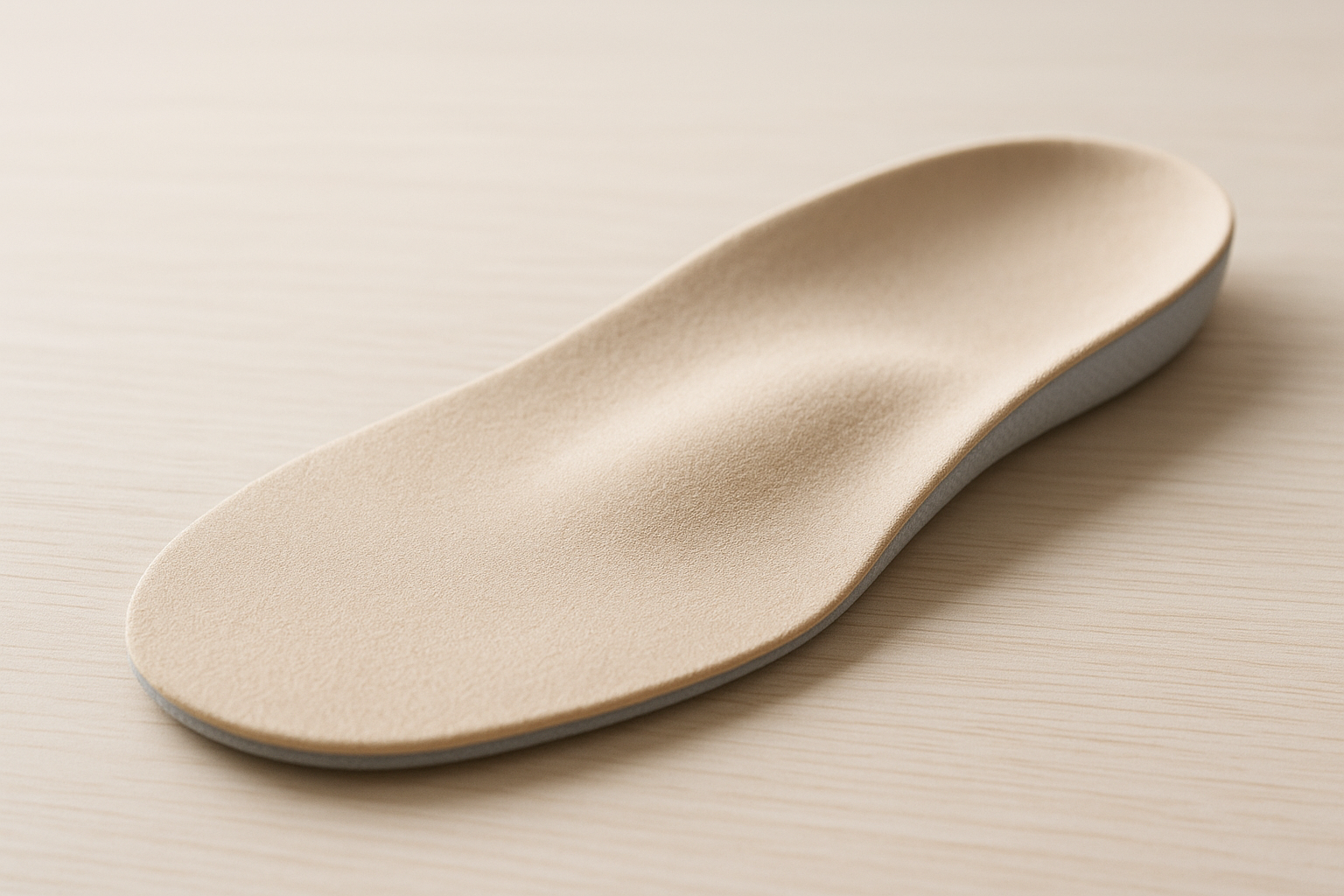
Every pair of custom prescription orthotics is shaped to match individual arch contours.
How to Order Custom Prescription Orthotics Online
Ordering online has become far more accessible thanks to at-home mold kits and remote consultations. Below is the general process most podiatrist-owned practices, including customorthotics.com, follow when shipping directly to patients.
- Schedule a complimentary phone consultation with a licensed podiatrist to review your symptoms, activity level, and foot history before any device is created.
- Receive an at-home impression kit shipped to your door so you can capture a precise mold of each foot without visiting an office.
- Follow the enclosed instructions to complete the mold correctly, then return it using the prepaid shipping label included in the kit.
- Allow the certified lab two to four weeks to fabricate your custom prescription orthotics using the materials your podiatrist recommends for your condition.
- Wear your new orthotics gradually, starting with short daily periods, to give your feet time to adjust comfortably to the added support.
If you are still weighing your options, this article on what to know before you order custom-made orthotics covers common questions patients ask before committing to a mold kit.
What Conditions Do Prescription Orthotics Treat?
Custom prescription orthotics are commonly recommended for plantar fasciitis, bunions, flat feet, high arches, and diabetic foot complications where pressure distribution is critical. In fact, research summarized by clinical foot health organizations suggests that structural foot support can reduce plantar fasciitis-related heel pain in a majority of patients who wear devices consistently for several months. Beyond the foot itself, misalignment often contributes to knee, hip, or lower back discomfort, since the body compensates for uneven weight distribution starting at the ground up.
Because every diagnosis calls for a slightly different design, a podiatrist's evaluation remains the most reliable way to match the right device to the right condition. Patients exploring lower-cost paths without an office visit may also find this guide to affordable orthotics online helpful for comparing value against quality.

Consistent use of custom prescription orthotics can restore comfortable, pain-free movement.
Frequently Asked Questions
What are custom prescription orthotics?
Custom prescription orthotics are shoe inserts molded from an exact impression of a patient's feet and prescribed by a podiatrist to correct alignment issues. They differ from generic insoles because every contour is built around your specific foot structure.
How do custom prescription orthotics differ from store-bought insoles?
Store-bought insoles offer generic cushioning, while custom prescription orthotics are fabricated from a mold of your foot to correct specific biomechanical problems. This precise fit allows them to address root causes like overpronation rather than just adding padding.
How much do custom prescription orthotics cost?
Custom prescription orthotics typically range from $200 to $800 per pair, depending on materials and the complexity of the correction needed. Many insurance plans and HSA or FSA accounts cover part of the cost when a podiatrist provides a prescription.
How long does it take to receive custom orthotics after ordering?
Most labs need two to four weeks to fabricate custom prescription orthotics after receiving a mold or impression kit. Rush production is sometimes available for an additional fee.
Do I need a prescription to order custom orthotics online?
A podiatrist's evaluation and prescription is recommended to ensure the orthotic addresses your specific foot condition correctly. Many online providers, including podiatrist-owned practices, offer a phone consultation before shipping a mold kit.
How long do custom prescription orthotics last?
Well-made custom prescription orthotics generally last three to five years with regular use. Lifespan depends on materials, body weight, activity level, and how often the shoes they are worn in are replaced.
Is there a break-in period for custom orthotics?
Yes, most patients need one to two weeks of gradual wear to adjust to custom prescription orthotics. Starting with a few hours a day and increasing wear time helps the feet adapt without soreness.
What conditions can custom prescription orthotics treat?
Custom prescription orthotics are commonly used for plantar fasciitis, flat feet, bunions, diabetic foot complications, and chronic knee or back pain linked to foot alignment. A podiatrist can determine which conditions apply to your specific case.
Can children wear custom prescription orthotics?
Children with flat feet, toe walking, or growth-related foot pain can benefit from custom prescription orthotics designed for smaller, still-developing feet. A pediatric podiatrist should evaluate the child before ordering a device.
What materials are custom orthotics made from?
Custom prescription orthotics are commonly made from rigid or semi-rigid materials like polypropylene, carbon fiber, or EVA foam, chosen based on the level of correction and cushioning required. Rigid materials suit structural corrections, while softer materials suit diabetic or sensitive feet.
What is the most common mistake people make with custom orthotics?
The most common mistake is switching to full-day wear immediately instead of breaking them in gradually, which can cause soreness and discourage continued use. Another frequent error is wearing them in shoes with the wrong fit or insufficient depth.
Can I order custom prescription orthotics without visiting an office in person?
Yes, many podiatrist-owned practices now offer at-home mold kits and phone consultations so patients can order custom prescription orthotics remotely. The finished device is then shipped directly to the patient's home.
Are custom prescription orthotics covered by insurance?
Coverage varies by plan, but many insurers reimburse a portion of the cost when the orthotics are medically necessary and prescribed by a licensed podiatrist. Checking with your provider beforehand helps avoid unexpected out-of-pocket expenses.
Final Thoughts
In summary, custom prescription orthotics offer a level of precision that generic insoles simply cannot replicate, since each device is built from a mold of your exact foot shape. Whether you are managing plantar fasciitis, flat feet, or chronic joint pain linked to alignment, a podiatrist-guided fitting process gives you the best chance at lasting relief. Above all, choosing a provider with hands-on fabrication experience and clear communication, like the team at customorthotics.com, helps ensure the final product actually fits your life and your feet.
If foot pain has been holding you back, a complimentary consultation is a low-risk first step toward finding out whether custom prescription orthotics are the right solution for you.