

When chronic discomfort limits every step, custom orthotics for severe foot pain offer a medically guided path to lasting relief that generic inserts cannot match. Unlike mass-produced insoles sold at a pharmacy, these devices are built from an exact mold of your foot, so the support matches your unique arch, heel strike, and pressure points. For people living with plantar fasciitis, severe flat feet, or diabetic foot complications, this precision often makes the difference between temporary comfort and real, lasting improvement. In this guide, we explain how custom orthotics are made, who benefits most, and how to find a qualified provider near you.
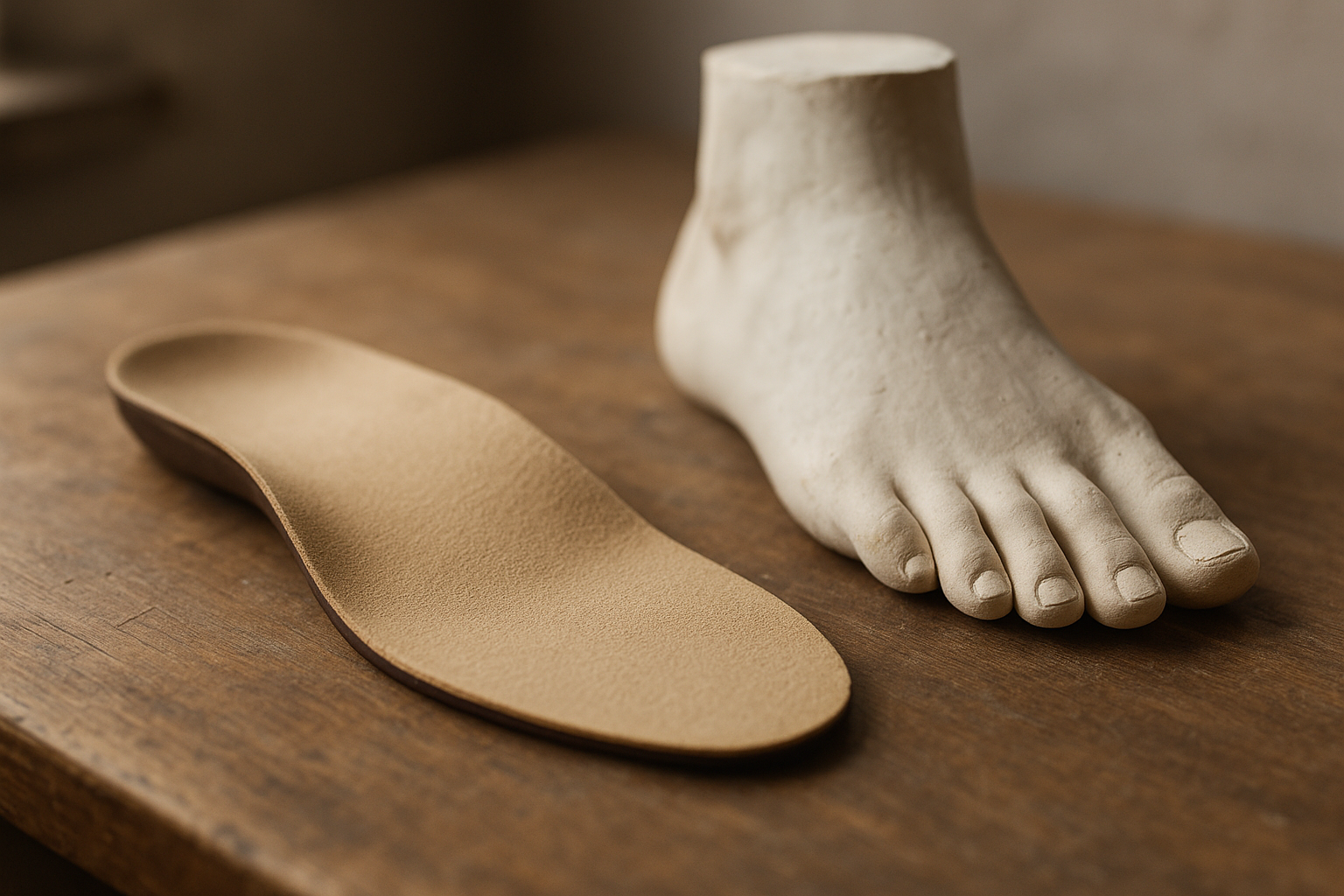
Every pair of custom orthotics for severe foot pain begins with a precise mold of the patient's foot.
What Are Custom Orthotics for Severe Foot Pain?
Custom orthotics for severe foot pain are podiatrist-prescribed devices molded directly from an individual's foot shape to correct structural imbalances and redistribute pressure away from painful areas. Unlike store-bought insoles, they are fabricated using a physical or digital cast of the patient's foot, then adjusted to address specific biomechanical issues such as overpronation or high arches. Because they are built to a precise specification, custom orthotics typically provide more targeted, longer-lasting pain relief than generic alternatives.
Specifically, these devices work by shifting weight away from inflamed or overworked tissue and guiding the foot through a more natural, less painful stride. As a result, patients with conditions like plantar fasciitis, bunions, or diabetic neuropathy often notice reduced strain within the first few weeks of wear. According to the orthotics field overview on Wikipedia, these devices have long been used across medicine to manage chronic musculoskeletal pain through external support rather than surgery.
How Custom-Molded Insoles Differ From Off-the-Shelf Inserts
In contrast to drugstore insoles, custom-molded insoles are never mass-produced. Instead, a podiatrist captures the exact contour of each foot, which allows the finished device to support areas that a generic shape simply cannot reach. Furthermore, custom devices can be adjusted over time as a patient's condition changes, something a one-size-fits-all product cannot offer.
This guide from our team at customorthotics.com outlines this distinction further, showing why many patients who tried generic insoles without success eventually move to a custom solution. Similarly, readers comparing options may find it useful to review this breakdown of top options for custom orthotics for foot pain before scheduling a consultation.
What Causes Chronic Foot Pain?
Chronic foot pain usually stems from structural imbalances, repetitive strain, or underlying medical conditions that gradually wear down soft tissue and joints. Common culprits include flat feet, high arches, plantar fasciitis, bunions, arthritis, and diabetes-related nerve damage. Because these causes vary so widely, an accurate diagnosis is the first step toward effective treatment.
Notably, a widely cited survey commissioned by the American Podiatric Medical Association found that roughly three in four adults have experienced foot pain at some point in their lives. Therefore, understanding the root cause matters, since masking symptoms with cushioning alone rarely resolves the underlying mechanical issue. For further reading on general foot health guidance, the National Institute of Arthritis and Musculoskeletal and Skin Diseases offers additional background on musculoskeletal pain conditions.
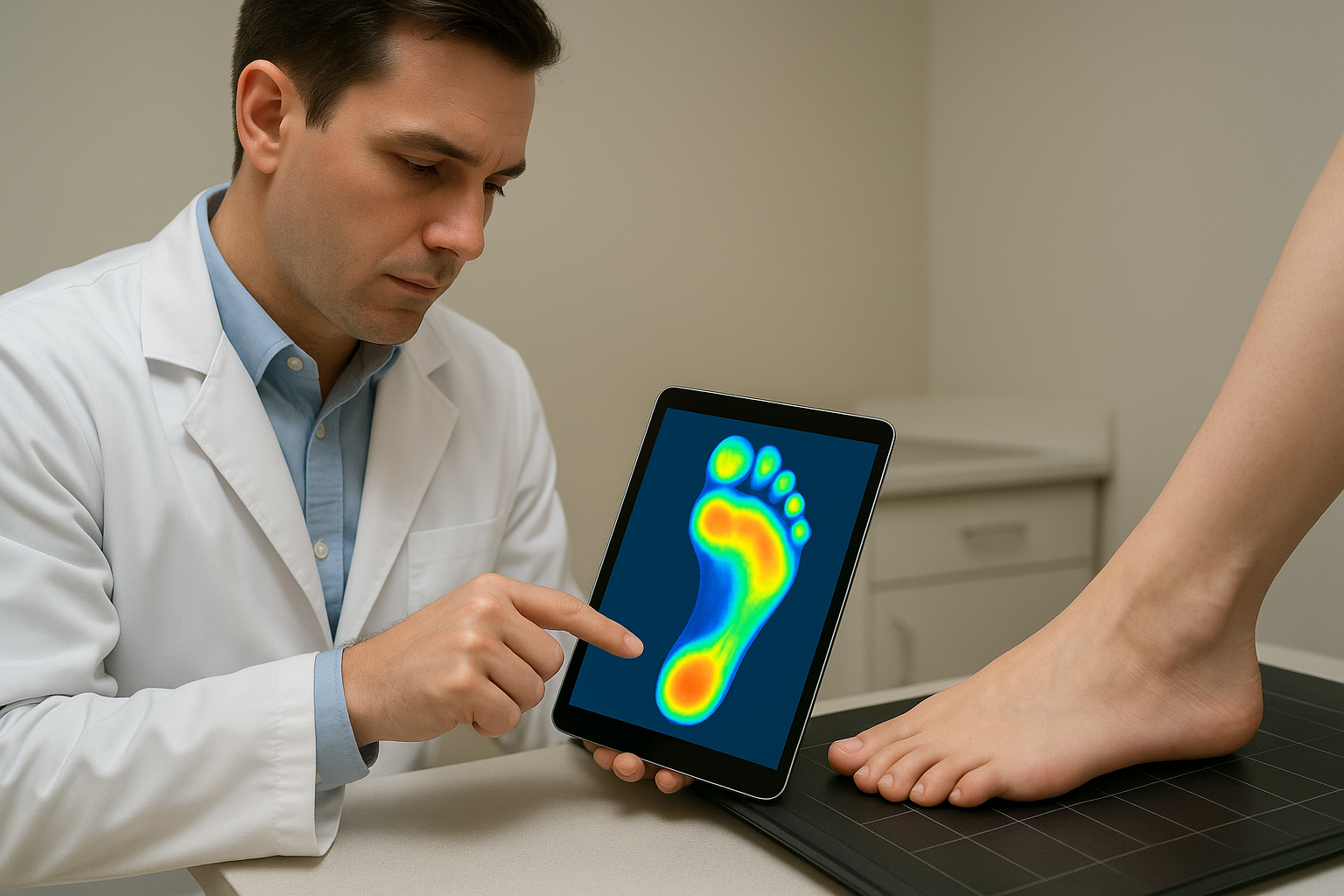
Pressure mapping helps determine exactly where personalized orthotics need the most support.
The Step-by-Step Process for Creating Personalized Orthotics
Creating personalized orthotics follows a consistent, methodical process regardless of which condition is being treated. Below is the general sequence most podiatry practices follow from the first appointment to the finished product.
- Schedule a consultation: Book a consultation with a podiatrist to discuss your pain history, daily activity level, and any prior treatments you have tried for relief.
- Undergo a gait and pressure analysis: The podiatrist examines how you walk and stand, identifying pressure points and structural imbalances contributing to your foot pain.
- Create a precise foot mold: A physical cast or digital scan of each foot is taken to capture the exact shape, arch height, and pressure distribution needed for fabrication.
- Fabricate the custom orthotic device: Skilled technicians use the mold to build a device from durable materials, shaping it to correct the specific biomechanical issues identified earlier.
- Fit, adjust, and follow up: The finished orthotics are fitted into your footwear, checked for comfort, and adjusted as needed during a follow-up visit to confirm lasting pain relief.
Altogether, this process typically takes two to four weeks, though timelines vary by lab and case complexity. For a closer look at where to begin locally or remotely, see this resource on finding personalized orthotics for foot pain.
Benefits of Custom Orthotic Devices for Long-Term Relief
Custom orthotic devices address the root biomechanical cause of pain rather than simply cushioning the symptom. Consequently, patients often report improvements in posture, balance, and walking efficiency in addition to reduced pain. Above all, this comprehensive support can help prevent secondary issues, such as knee or lower back strain, that often develop when the body compensates for foot pain.
In particular, custom devices tend to outlast generic insoles because they are built from sturdier materials designed for a specific patient's weight and activity level. For a deeper dive into the advantages, this article on the benefits of custom orthotics for foot pain expands on the clinical reasoning. Likewise, pairing orthotics with proper footwear matters; this guide to supportive footwear solutions for foot pain relief explains how the right shoe amplifies orthotic performance.
Who Needs Custom Foot Orthotics?
Custom foot orthotics are typically recommended for people whose pain has not improved with rest, stretching, or over-the-counter insoles. This includes individuals with plantar fasciitis, severe flat feet, high arches, bunions, arthritis, or diabetes-related foot complications. Additionally, athletes recovering from repetitive strain injuries and workers who stand for long shifts often benefit from the added support.
However, not every case of mild discomfort requires a custom device. Therefore, a brief consultation with a podiatrist is the most reliable way to determine whether custom orthotics, rather than a simpler intervention, are the right next step. For a broader view of ongoing management strategies, readers may also find value in this piece on chronic foot pain solutions that actually work.

Many patients regain pain-free movement within weeks of wearing properly fitted custom orthotic devices.
Finding the Right Provider for Your Orthotics
Choosing a provider matters just as much as choosing the device itself. Specifically, look for a practice that is podiatrist-owned, uses individual molds rather than generic templates, and offers a consultation before committing to fabrication. A provider with a strong track record and verifiable credentials, such as a Better Business Bureau rating, adds an extra layer of confidence.
For instance, our team at customorthotics.com has more than two decades of hands-on fabrication experience, allowing patients to connect directly with a podiatrist for a complimentary consultation by phone or order conveniently through our online platform. Whether you are local or ordering remotely, the goal remains the same: a precise fit built around your feet, not a generic mold.
Direct Answer: Custom orthotics for severe foot pain work by using a precise mold of your foot to correct structural imbalances, redistribute pressure, and relieve chronic discomfort more effectively than generic insoles. Most patients notice measurable improvement within two to six weeks of consistent wear.
Frequently Asked Questions About Custom Orthotics for Severe Foot Pain
What are custom orthotics for severe foot pain?
Custom orthotics for severe foot pain are podiatrist-designed shoe inserts molded from an exact cast of a patient's foot to correct structural imbalances and relieve chronic discomfort. Unlike generic insoles, they target the specific pressure points and gait issues causing the pain.
How do custom orthotics differ from over-the-counter insoles?
Custom orthotics are built from an individual foot mold, while over-the-counter insoles come in generic sizes that only approximate a foot's shape. As a result, custom devices provide more precise support and typically last longer under daily use.
How long does it take to get custom orthotics made?
Most custom orthotics take two to four weeks from the initial mold to final delivery, depending on the lab and case complexity. Some providers offer expedited fabrication for urgent pain cases.
How much do custom orthotics typically cost?
Custom orthotics generally range from a few hundred dollars per pair, depending on materials and the complexity of the correction needed. Many insurance plans partially reimburse the cost when a podiatrist documents medical necessity.
Can custom orthotics help with plantar fasciitis?
Yes, custom orthotics are commonly prescribed for plantar fasciitis because they support the arch and reduce strain on the plantar fascia ligament. This targeted support often reduces heel pain faster than generic cushioned insoles.
Are custom orthotics covered by insurance?
Coverage varies by provider, but many insurance plans reimburse part of the cost when orthotics are prescribed for a diagnosed medical condition. It is best to confirm benefits before ordering.
How long do custom orthotics last before needing replacement?
Custom orthotics usually last three to five years with regular use, though active individuals may need replacements sooner. Signs of wear, flattening, or returning pain usually indicate it is time for a new pair.
What foot conditions benefit most from custom orthotics?
Conditions such as plantar fasciitis, severe flat feet, high arches, bunions, and diabetic foot complications respond especially well to custom orthotics. These devices redistribute pressure away from painful or vulnerable areas.
What is the biggest mistake people make when choosing orthotics?
The most common mistake is relying on generic drugstore insoles for severe or chronic pain instead of seeking a professional mold-based fitting. This often delays real relief and can allow the underlying problem to worsen.
How do I know if I need custom orthotics instead of store-bought insoles?
If foot pain persists despite trying over-the-counter inserts, or if you have a diagnosed structural issue, custom orthotics are typically the next step. A podiatrist consultation can confirm whether a custom device is appropriate.
Can children use custom orthotics for foot pain?
Yes, children with structural foot issues, growing pains, or sports-related discomfort can benefit from custom orthotics designed for their smaller, developing feet. A podiatrist adjusts the fitting process to account for growth.
What should I expect during a custom orthotic fitting appointment?
During a fitting, a podiatrist examines your gait, takes a physical or digital mold of your foot, and discusses your pain history. The mold is then sent to a lab for precise fabrication.
Are custom orthotics better than surgery for foot pain?
Custom orthotics are often tried as a conservative first step before considering surgery, since they can correct many structural issues without invasive procedures. Surgery is typically reserved for cases where non-surgical options have not resolved the pain.
Final Thoughts on Finding Lasting Relief
Ultimately, custom orthotics for severe foot pain remain one of the most reliable, non-invasive ways to correct the structural causes of chronic discomfort rather than simply masking symptoms. From the initial mold to the final fitting, a precise, podiatrist-guided process gives patients a far better chance at lasting relief than generic inserts can offer. Whether your pain stems from plantar fasciitis, flat feet, or a diabetes-related complication, a proper consultation is the best starting point. If you are ready to take the next step, reach out to a trusted podiatry team to discuss whether custom orthotics are right for your feet.