

Specialty orthotics for heel pain are custom-molded foot devices designed to target the specific structural or biomechanical issues causing heel discomfort, rather than offering generic cushioning. Unlike mass-produced insoles, these devices are built from a direct mold of each patient's foot, which allows a podiatrist to correct the underlying alignment problems that lead to chronic heel pain. For many people dealing with plantar fasciitis, heel spurs, or arch collapse, this precision-made approach to heel pain is often the difference between temporary relief and lasting improvement.
Quick Answer
Specialty orthotics for heel pain relieve pressure on the plantar fascia and heel bone by redistributing weight across the entire foot. Because they are molded to one person's exact foot shape, they typically correct the root biomechanical cause of pain rather than just cushioning the surface.
What Is Specialty Orthotics for Heel Pain?
Specialty orthotics for heel pain is a category of custom-fabricated insoles engineered around an individual mold of the foot to relieve pressure on the heel, correct arch alignment, and reduce strain on the plantar fascia, the thick band of tissue connecting the heel to the toes. Unlike standard insoles bought off a shelf, these devices are designed for a single patient's foot shape, gait pattern, and specific pain source.
In particular, a podiatrist evaluates how your foot strikes the ground, where pressure accumulates, and whether structural issues such as flat arches or high arches are contributing to your symptoms. Consequently, the finished orthotic is shaped to counteract those exact forces rather than offering a one-size-fits-all cushion.
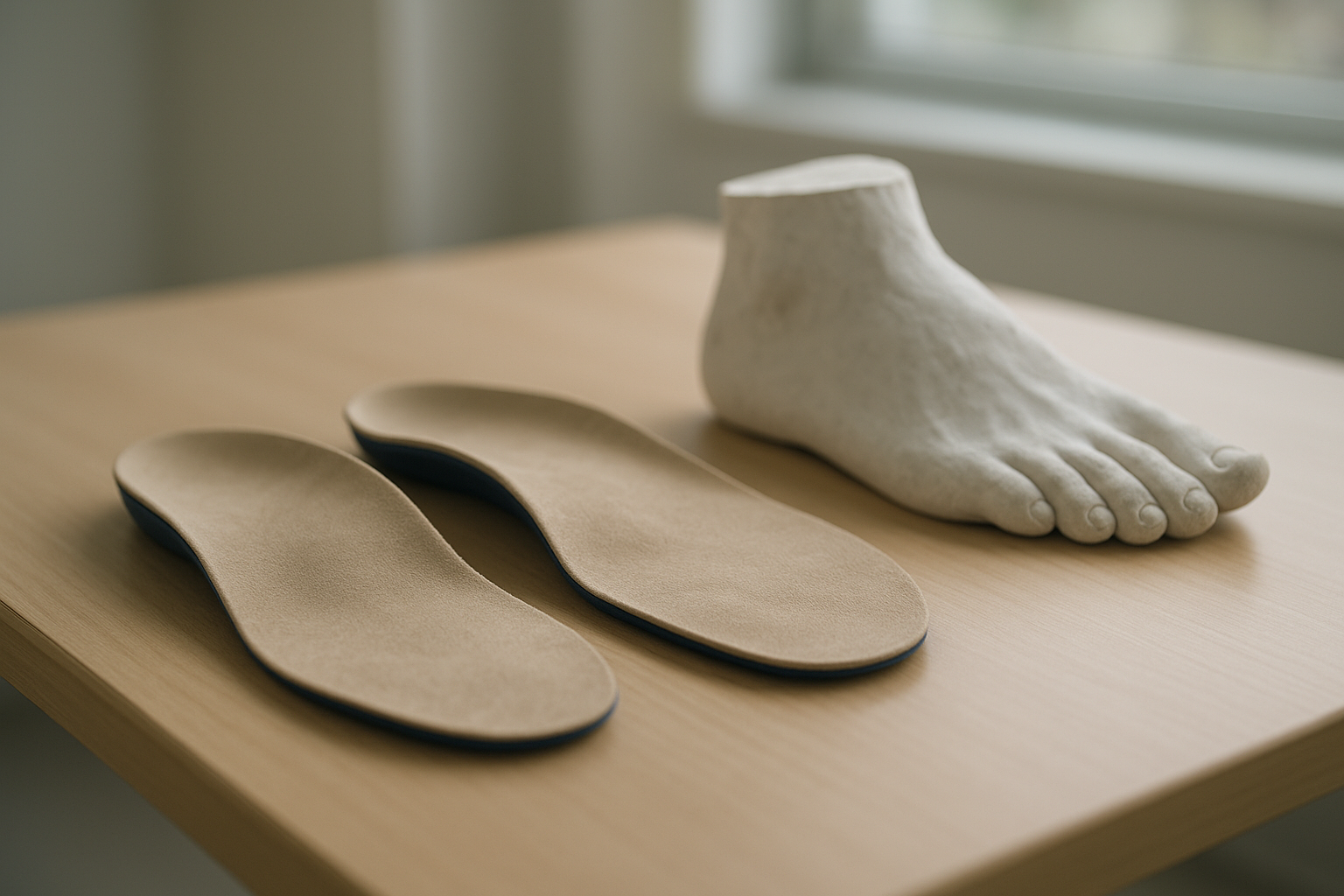
Specialty orthotics for heel pain are shaped directly from a mold of the patient's foot for a precise, personalized fit.
Common Causes of Heel Pain That Orthotics for Heel Pain Address
Heel pain rarely appears without a reason. Specifically, plantar fasciitis, heel spurs, fat pad atrophy, and excessive pronation are among the most frequent causes podiatrists encounter. According to research summarized by the National Institutes of Health, plantar fasciitis alone affects roughly one in ten people at some point in their lives, making it one of the most common musculoskeletal complaints seen in podiatry clinics.
In contrast to temporary aches from a long day on your feet, these conditions tend to worsen gradually without targeted support. For example, untreated plantar fasciitis can lead to compensatory changes in the knees and hips as a person unconsciously shifts their gait to avoid pain. Above all, addressing the root biomechanical cause early tends to produce better long-term outcomes than relying on rest alone.
How Custom Orthotics for Heel Pain Differ From Off-the-Shelf Insoles
Off-the-shelf insoles are manufactured in bulk to fit an average foot shape, which means they rarely match any individual's actual arch height or heel contour. Custom orthotics for heel pain, however, start with a direct mold or digital scan of the patient's foot. As a result, the final product reflects the true shape of the foot rather than an approximation.
Furthermore, a podiatrist can build in targeted modifications, such as a deeper heel cup or additional metatarsal padding, that generic insoles simply cannot offer. Similarly, the materials used in custom devices are often selected based on body weight, activity level, and the specific diagnosis, rather than a single formula applied to every customer. You can learn more about the fabrication process directly at customorthotics.com, where a podiatrist-led team walks through each stage of the process.
The Process of Getting Specialty Orthotics for Heel Pain
Understanding the process can make the decision easier. Below is the typical path a patient follows when pursuing specialty orthotics for heel pain through a podiatrist-led practice.
- Schedule a complimentary consultation with a podiatrist to discuss your heel pain history, daily activity level, and any prior treatments you have already tried.
- Have a precise mold taken of your foot, either in person or through an at-home impression kit, so the lab can capture your exact arch shape and heel contour.
- Review the custom design recommendations with the podiatrist, including material choice and cushioning depth, before fabrication begins on your orthotic.
- Wear the finished specialty orthotics for heel pain consistently during the break-in period, typically two to three weeks, while tracking changes in pain levels.
- Follow up with the podiatrist to adjust fit or padding if needed, ensuring the device continues correcting alignment as your symptoms improve over time.

A thorough foot exam helps the podiatrist identify the exact source of heel discomfort before fabrication begins.
Who Benefits Most From Heel Pain Relief Insoles?
Not everyone needs a custom device, but certain groups tend to see the most benefit. Runners and athletes who place repetitive stress on the heel, individuals who stand for long shifts at work, and people with diagnosed structural issues like flat feet or high arches are common candidates. Likewise, patients recovering from a heel spur diagnosis, as outlined in this guide on custom solutions for heel spurs, often find that a molded device reduces pain more effectively than generic padding.
Older adults experiencing natural fat pad thinning beneath the heel may also benefit significantly, since this condition reduces the body's own natural shock absorption. Therefore, a custom orthotic can help restore some of that lost cushioning in a targeted way.
Specialty Orthotics for Heel Pain vs. Heel Spur Treatments
Heel spurs and general heel pain share overlapping symptoms, but the treatment emphasis can differ slightly. Specifically, orthotics built for a heel spur often include extra cushioning directly beneath the bony growth, while devices for broader heel pain focus more on overall arch support and even weight distribution. If you are unsure which category applies to you, this breakdown of whether customorthotics.com fabricates devices specifically for heel spurs can help clarify the distinction.
Similarly, patients exploring the best foot support options for heel spurs will find that a podiatrist's evaluation is the most reliable way to determine which design suits their specific anatomy. In addition, resources from the American Podiatric Medical Association confirm that a professional diagnosis should always precede orthotic fabrication, since treating the wrong condition can delay recovery.
Choosing the Right Custom Orthotics for Heel Pain
Selecting the right device starts with an honest assessment of your symptoms, activity level, and footwear habits. For instance, someone who runs daily will need a different cushioning profile than someone who is mostly sedentary but stands for long stretches at a retail job. As a result, a one-on-one consultation is far more reliable than guessing based on generic product descriptions online.
Patients seeking additional detail on how custom devices provide custom relief that truly works for heel pain can review real-world examples of how fit and material choice affect outcomes. Likewise, those specifically dealing with bony growths may want to compare approaches described in this guide to working solutions for heel spurs before committing to a design.
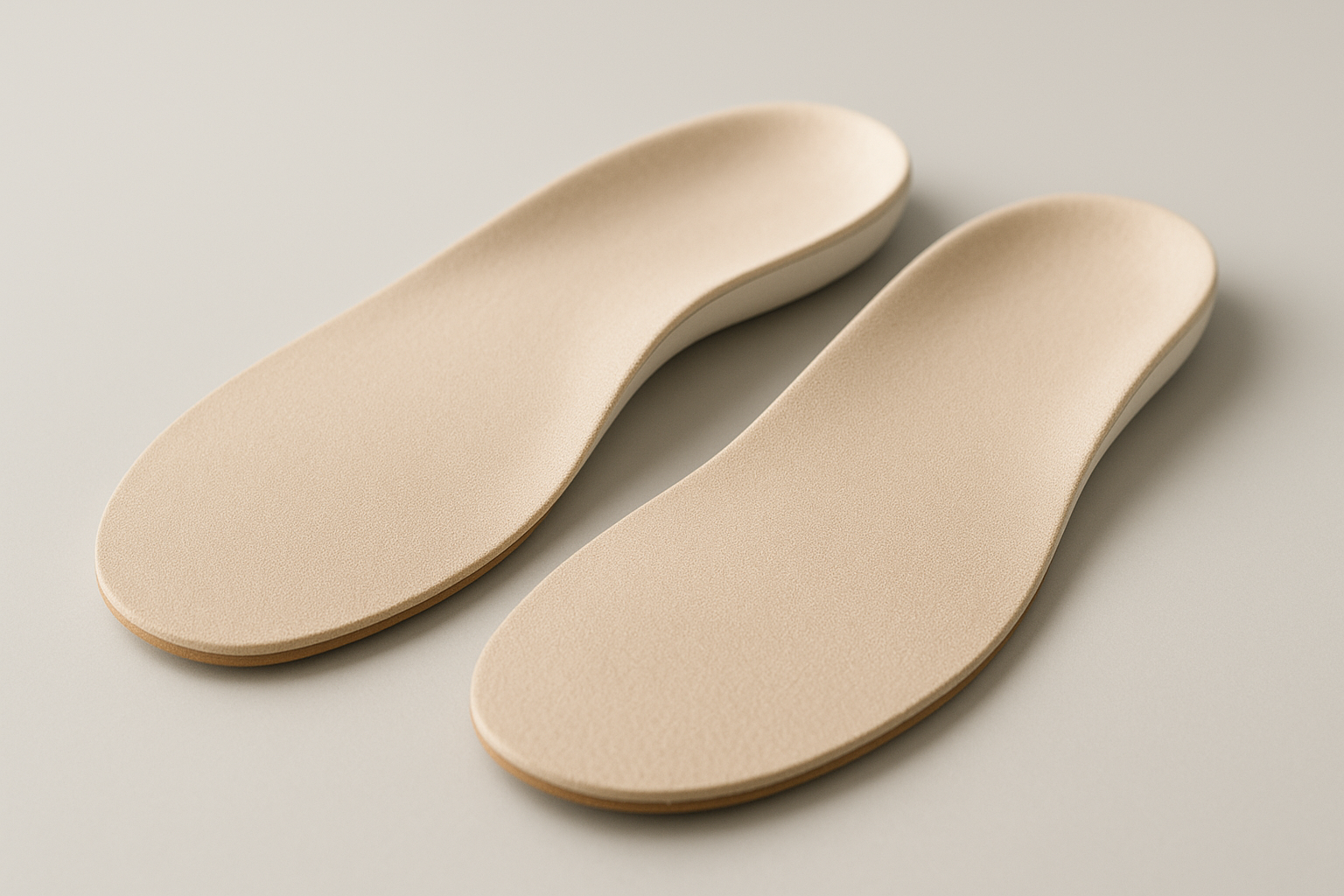
Material and cushioning choices are tailored to each patient's diagnosis and activity level.
Frequently Asked Questions About Specialty Orthotics for Heel Pain
What is specialty orthotics for heel pain?
Specialty orthotics for heel pain is a custom-molded insole built from an individual foot impression to correct alignment issues and reduce pressure on the heel and plantar fascia. Unlike generic insoles, every device is shaped around one patient's foot structure and gait.
How do custom orthotics differ from store-bought insoles for heel pain?
Custom orthotics are fabricated from a direct mold of your foot, while store-bought insoles use generic shapes meant to fit average feet. As a result, custom devices typically target the exact pressure points causing heel discomfort more precisely.
How long does it take to get custom orthotics made?
Most labs need two to four weeks from the time a mold is taken to deliver finished custom orthotics. Timelines can vary depending on the complexity of the design and current production volume.
How much do specialty orthotics for heel pain cost?
Custom orthotics generally range from a few hundred dollars depending on materials, design complexity, and whether a consultation is included. Many podiatrist-led practices offer transparent online pricing before you commit.
Can orthotics cure plantar fasciitis completely?
Orthotics cannot guarantee a complete cure, but they often significantly reduce strain on the plantar fascia and ease daily pain. In many cases, consistent use alongside stretching and proper footwear leads to lasting improvement.
What causes heel pain in the first place?
Heel pain commonly stems from plantar fasciitis, heel spurs, excessive pronation, or repetitive impact from standing or running. Structural imbalances in the arch frequently make these conditions worse over time.
Are specialty orthotics for heel pain covered by insurance?
Coverage varies by provider and plan, though many insurers partially reimburse custom orthotics when prescribed for a diagnosed condition. It is worth checking your policy or asking the fabricating practice for a billing code.
How long do custom orthotics typically last?
Well-made custom orthotics usually last between three and five years with regular use. Lifespan depends on activity level, body weight, and how well the device is cared for.
What is the difference between orthotics for heel spurs and general heel pain orthotics?
Orthotics for heel spurs often include extra cushioning directly beneath the bony growth, while general heel pain designs focus more broadly on arch support and shock absorption. A podiatrist can determine which emphasis fits your specific diagnosis.
What common mistakes do people make when choosing heel pain insoles?
A frequent mistake is buying generic cushioned insoles without addressing the underlying biomechanical cause of the pain. Another is discontinuing use too soon, before the foot has had time to adjust to corrected alignment.
Can I order custom orthotics online without visiting in person?
Yes, many practices now offer at-home impression kits paired with a phone consultation, allowing remote patients to receive the same precision as an in-office visit. This makes professional-grade care accessible regardless of location.
How soon will I feel relief after wearing specialty orthotics for heel pain?
Some patients notice reduced pressure within the first week, though full adjustment typically takes two to three weeks. Gradually increasing daily wear time helps the foot adapt comfortably.
What shoes work best with custom orthotics for heel pain?
Shoes with a removable insole, firm heel counter, and adequate depth work best because they leave room for the orthotic without crowding the foot. Avoid flexible, unsupportive footwear that undermines the orthotic's correction.
Final Thoughts on Specialty Orthotics for Heel Pain
Chronic heel discomfort rarely resolves on its own, especially when the underlying cause is structural rather than temporary. Specialty orthotics for heel pain offer a precise, podiatrist-guided path toward relief because they are built around your exact foot shape rather than a generic template. In addition, understanding the fabrication process, from mold to final fitting, helps set realistic expectations for how quickly you might feel improvement.
Ultimately, whether your pain stems from plantar fasciitis, a heel spur, or general structural imbalance, a complimentary consultation with a podiatrist is a reasonable first step. For more information on scheduling an evaluation or ordering online, visit customorthotics.com to learn how a podiatrist-led team approaches custom orthotic care from start to finish.