

Orthotics for heel spurs are custom-molded shoe inserts built to cushion the heel, correct foot mechanics, and ease the sharp pain that comes with a bony growth on the heel bone. Unlike generic insoles bought off a store shelf, these devices are shaped from an individual mold of the patient's own foot. As a result, they target the exact pressure points causing discomfort rather than offering one-size-fits-all cushioning.
Quick Answer: Orthotics for heel spurs work by redistributing pressure away from the heel bone, supporting the arch, and reducing tension on the plantar fascia. Custom-molded designs typically outperform generic inserts because they correct the specific gait imbalance behind the spur, often reducing pain within two to four weeks.
What Are Orthotics for Heel Spurs?
Orthotics for heel spurs are devices placed inside footwear to change how weight moves across the foot with every step. In particular, they lift and support the arch, cushion the heel strike, and stabilize the foot so the plantar fascia — the thick band of tissue running along the bottom of the foot — is not pulled as tightly. Over time, that reduced tension calms the inflammation that irritates the spur itself.
A heel spur, medically known as a calcaneal spur, is a small calcium deposit that forms on the underside of the heel bone. According to the Wikipedia entry on calcaneal spurs, this growth is frequently linked to chronic strain from plantar fasciitis rather than being a standalone injury. Consequently, treating the surrounding soft tissue often matters more than treating the spur directly.
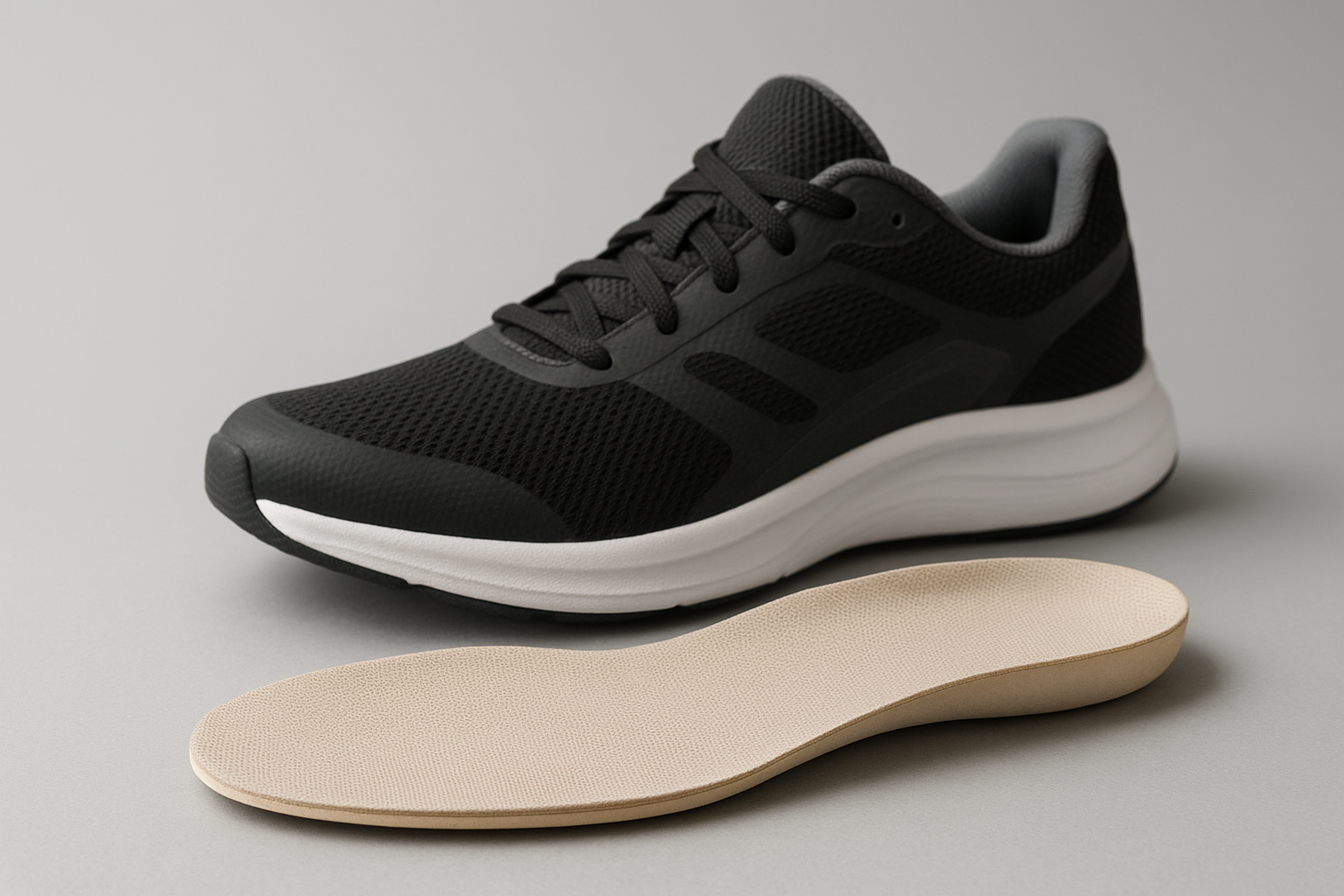
Custom orthotics for heel spurs are molded to match the patient's exact foot shape.
What Causes Heel Spurs and Persistent Heel Pain?
Heel spurs typically develop after months or years of repetitive stress on the ligaments and muscles of the foot. For example, runners, people who stand for long shifts, and individuals with flat feet or high arches face a higher risk because their gait places uneven pressure on the heel. In addition, excess body weight and poorly fitted footwear can accelerate the process.
The Orthopaedic Foot and Ankle resource from OrthoInfo notes that heel pain is one of the most common foot complaints seen in orthopedic and podiatric practices. Similarly, the National Library of Medicine's MedlinePlus foot disorders overview lists structural imbalance and overuse as leading contributors to chronic heel conditions. Because the underlying mechanics rarely correct themselves, many patients continue to experience flare-ups until they address the imbalance directly through supportive orthotics.
How Custom Orthotics for Heel Spurs Relieve Pain
Custom orthotics work by addressing three things at once: cushioning, alignment, and pressure distribution. First, a dense but shock-absorbing material softens the impact each time the heel strikes the ground. Second, arch support keeps the foot from collapsing inward, which reduces strain on the plantar fascia. Third, a heel post or wedge can correct subtle tilting of the heel bone that contributes to uneven loading.
As a result, patients often describe the difference as noticeable within the first few weeks of consistent wear. However, results depend on the severity of the spur and how closely the orthotic matches the patient's actual foot shape — which is exactly why a mold-based custom device tends to outperform a generic insert bought at a pharmacy.
Custom Orthotics vs. Off-the-Shelf Heel Spur Support
Off-the-shelf insoles are manufactured in bulk to fit an average foot shape, so they only offer general cushioning. In contrast, custom orthotics are fabricated from a direct mold of each patient's feet, which means the arch height, heel angle, and pressure zones are all matched precisely. This distinction matters most for people whose heel spurs stem from a structural imbalance rather than simple overuse.
A podiatrist-owned practice with more than 20 years of fabrication experience, such as the team behind customorthotics.com, builds every device from an individual mold rather than a pre-set template. For readers comparing options, this guide to custom solutions that actually work breaks down what separates a properly fitted device from a generic one.
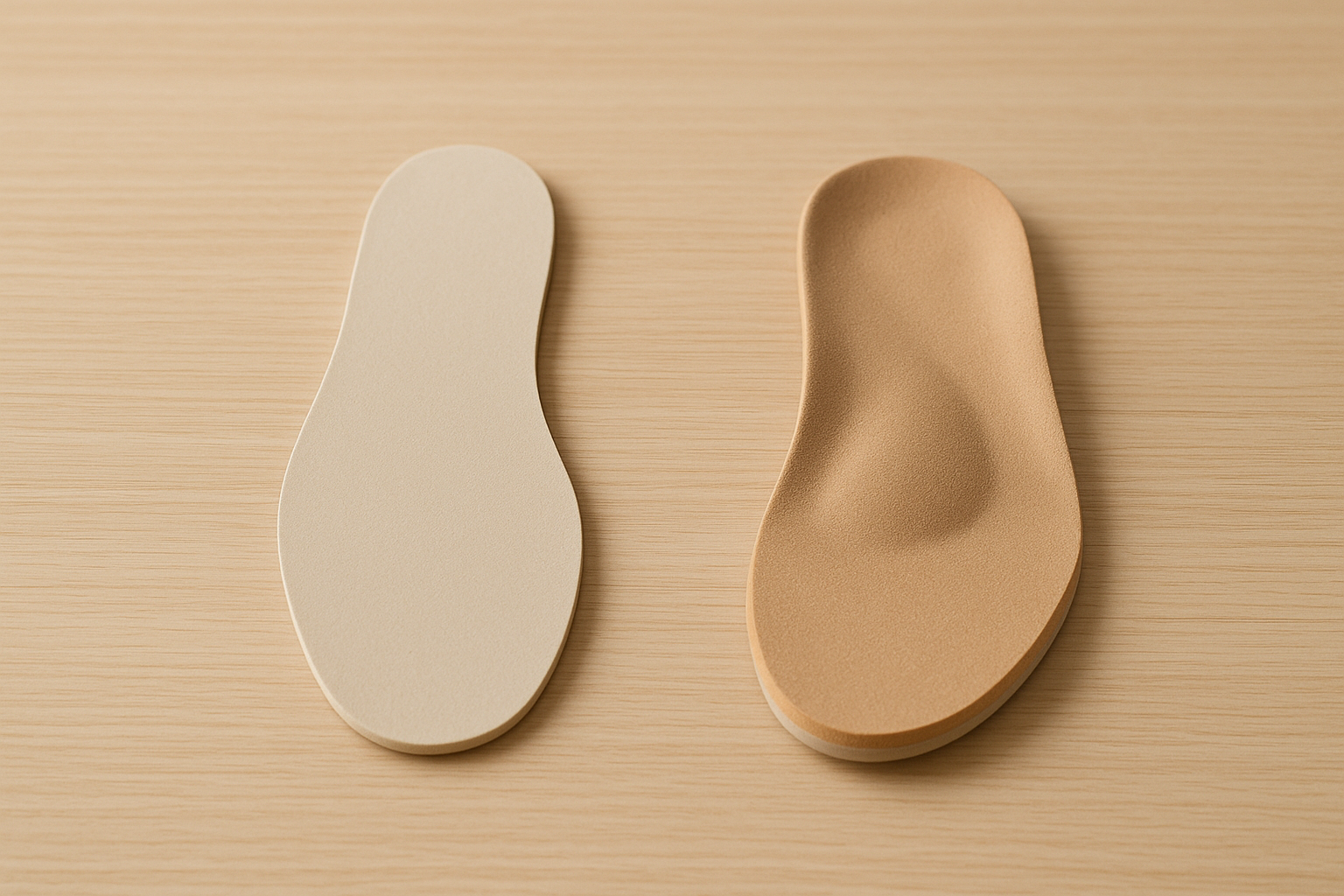
A contoured custom design supports the arch far more precisely than a flat, generic insole.
How to Get Fitted: The Custom Orthotic Process
Getting properly fitted for orthotics for heel spurs is a straightforward process when working with an experienced provider. Below is the typical sequence patients follow, whether they visit in person or start remotely through an online mold kit.
- Schedule a consultation. Speak directly with a podiatrist about symptoms, foot history, and daily activity level.
- Complete a foot evaluation. A trained provider checks gait, arch height, and pressure points that contribute to the heel spur.
- Take a custom mold or scan. This step captures the exact shape of each foot for a precise fit.
- Fabricate the device. Skilled technicians build the orthotic from the mold, selecting materials suited to the patient's weight and activity.
- Fit and break in the orthotic. Gradually increasing wear time each day helps the foot adjust comfortably.
Notably, this process is nearly identical for patients ordering remotely, since many practices ship mold kits directly to a patient's home. For a closer look at how one provider handles heel-specific fittings, see this overview of orthotics designed specifically for heel spurs.
Choosing the Right Heel Spur Support
Not every heel spur needs the same design. For instance, patients with mild discomfort may do well with a three-quarter length device that fits easily into most footwear, while those with more severe pain often need a full-length orthotic with a reinforced heel post. Above all, the right choice depends on foot shape, shoe type, and daily activity.
Patients exploring options can review a 3/4 length orthotic with heel post designed specifically to target heel pressure zones. Meanwhile, those unsure which support style fits their condition may find this comparison of foot support types for heel spurs useful before making a decision. It is also worth noting that heel spurs frequently overlap with plantar fasciitis, so reviewing this resource on plantar fasciitis pain relief can help clarify which symptoms overlap.
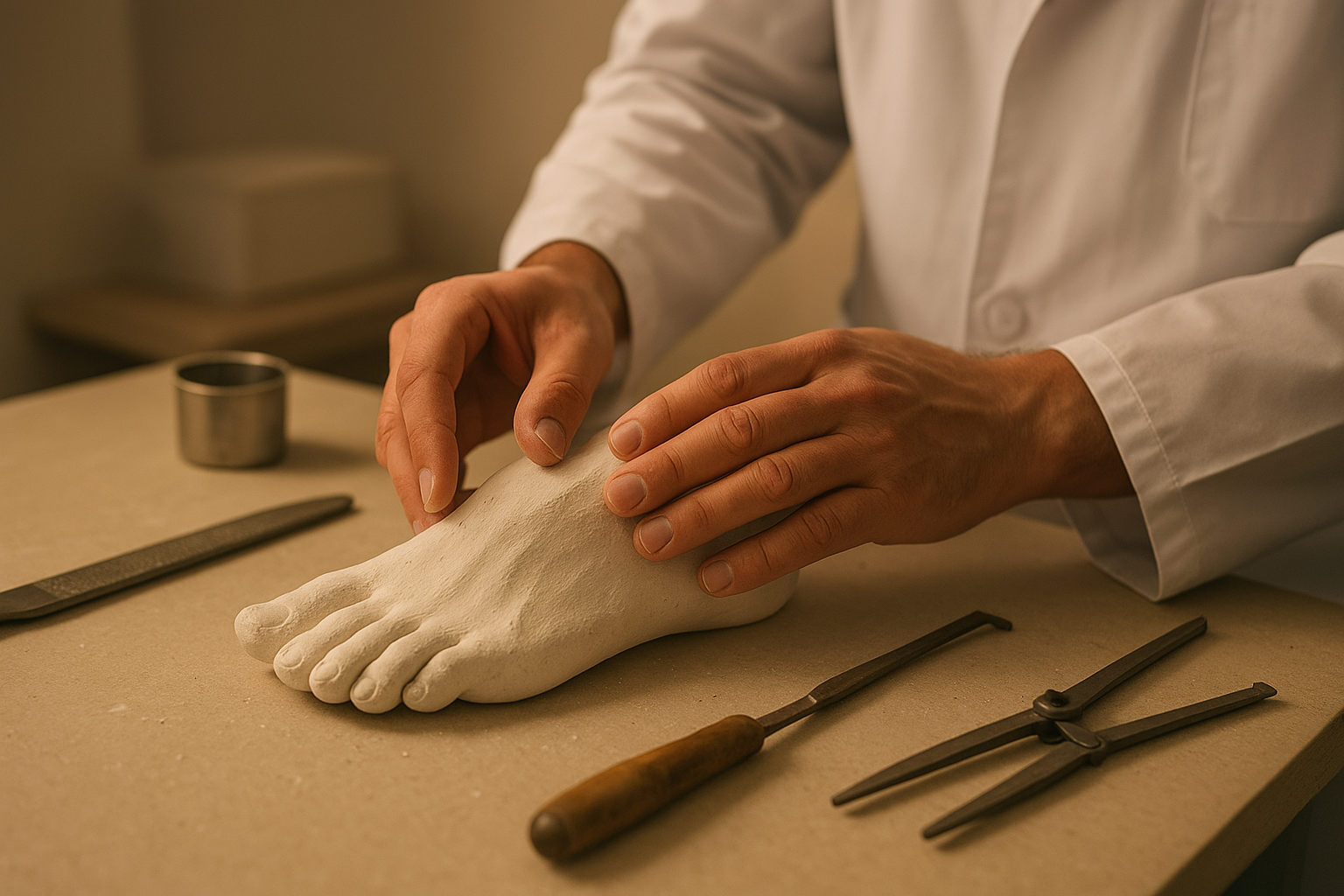
Every custom mold captures the details needed to build effective orthotics for heel spurs.
How Effective Are Custom Orthotics? What the Data Shows
Research on heel pain consistently points to custom support as a meaningful part of treatment. In fact, studies cited by orthopedic foot and ankle specialists suggest that a majority of patients with plantar heel pain, including those with spurs, see measurable symptom improvement within several months of using supportive orthotics combined with stretching. Therefore, orthotics are rarely a standalone cure but function best as one part of a broader plan that may include stretching, proper footwear, and occasional rest.
Furthermore, an A+ Better Business Bureau rating and two decades of hands-on fabrication experience, as seen with podiatrist-led practices, often reflect consistent craftsmanship and patient satisfaction over time. Because every foot is different, though, results still vary from person to person.
Frequently Asked Questions About Orthotics for Heel Spurs
What are orthotics for heel spurs?
Orthotics for heel spurs are custom-molded shoe inserts that cushion the heel, redistribute pressure, and correct the foot mechanics that often cause bony growths on the heel bone. They are built from a direct mold of the patient's foot for a precise fit.
How do custom orthotics help relieve heel spur pain?
Custom orthotics cushion the heel strike, support the arch, and reduce the pull of the plantar fascia on the heel bone. This lowers inflammation and takes pressure off the sensitive area where the spur has formed.
Are custom orthotics better than off-the-shelf inserts for heel spurs?
Yes, in most cases custom orthotics outperform generic inserts because they are shaped to an individual's exact foot structure and gait pattern. Off-the-shelf versions offer general cushioning but rarely correct the underlying biomechanical imbalance.
How long does it take for orthotics to relieve heel spur pain?
Many patients notice reduced discomfort within two to four weeks of consistent wear, though full adaptation can take up to eight weeks. Results vary depending on spur size, activity level, and how consistently the orthotics are worn.
What causes a heel spur to form?
A heel spur usually develops from long-term strain on the muscles and ligaments of the foot, often linked to plantar fasciitis. Repetitive stress causes calcium deposits to build up on the heel bone over time.
Do orthotics for heel spurs also help with plantar fasciitis?
Yes, because heel spurs and plantar fasciitis share the same root causes, custom orthotics that relieve one condition typically ease the other as well. Proper arch support reduces strain on the plantar fascia, which lowers pressure on the heel spur.
How much do custom orthotics for heel spurs cost?
Custom orthotics typically range from a few hundred dollars depending on the materials and design used, though pricing varies by provider. Many practices, including podiatrist-run clinics, offer a complimentary consultation before committing to a purchase.
What is the process for getting fitted for heel spur orthotics?
The process generally involves a foot evaluation, a physical mold or scan of the foot, custom fabrication, and a fitting appointment. This ensures the finished device matches the patient's exact arch height and pressure points.
Can I wear custom orthotics in regular shoes?
Most custom orthotics are designed to fit inside athletic shoes, walking shoes, and many work shoes once the original insole is removed. Some styles, such as three-quarter length designs, are built specifically to fit dress or narrower shoes.
What common mistakes should I avoid when using orthotics for heel spurs?
A common mistake is switching to orthotics too quickly without a break-in period, which can cause new soreness. Another is choosing a generic insert instead of a properly fitted custom device, which often fails to address the underlying cause.
How long do custom orthotics for heel spurs last?
Well-made custom orthotics typically last between three and five years with regular use, depending on materials and activity level. Signs it is time to replace them include visible wear, flattened cushioning, or returning heel pain.
Do I need a prescription to order custom orthotics?
Not always. Many podiatrist-owned practices allow patients to complete a phone consultation or online mold kit without a separate prescription, though a formal evaluation helps ensure the correct design.
When should I see a podiatrist about heel spur pain?
You should see a podiatrist if heel pain persists for more than a few weeks, worsens with activity, or limits daily walking. Early evaluation helps prevent the condition from progressing and guides the right orthotic design.
Final Thoughts on Orthotics for Heel Spurs
In summary, orthotics for heel spurs offer a practical, non-invasive way to reduce pain by cushioning the heel and correcting the foot mechanics that cause the spur in the first place. While off-the-shelf inserts provide temporary relief, custom-molded devices address the root imbalance more directly and tend to deliver longer-lasting results. Ultimately, anyone dealing with persistent heel pain should consider a professional evaluation before choosing a support option.
Patients ready to explore custom-fitted options can connect directly with a podiatrist through customorthotics.com for a complimentary consultation, whether they prefer to visit locally or order remotely through the online platform.