

Shoe inserts for high arches are specially designed support devices that cushion, stabilize, and realign a foot with an elevated arch structure — and for millions of people, they are the difference between daily pain and genuine relief. If you have high arches, you already know how quickly discomfort can build up after just a few hours on your feet. Fortunately, the right insole can address the root cause of that pain rather than simply masking it.
What Are High Arches and Why Do They Cause Pain?
High arches — clinically known as pes cavus — occur when the arch of the foot rises higher than normal, creating a large gap between the mid-foot and the ground. As a result, the heel and ball of the foot absorb nearly all of the body's weight. This concentrated pressure leads to a range of painful conditions over time.
Furthermore, high arches are often associated with supination (also called underpronation), where the foot rolls outward during movement. This places excessive stress on the outer edge of the foot and ankle, increasing the risk of sprains, stress fractures, and chronic joint pain.
According to the American Podiatric Medical Association, approximately 20% of people have high arches, and many go undiagnosed for years while continuing to experience unexplained foot, knee, and lower back pain.
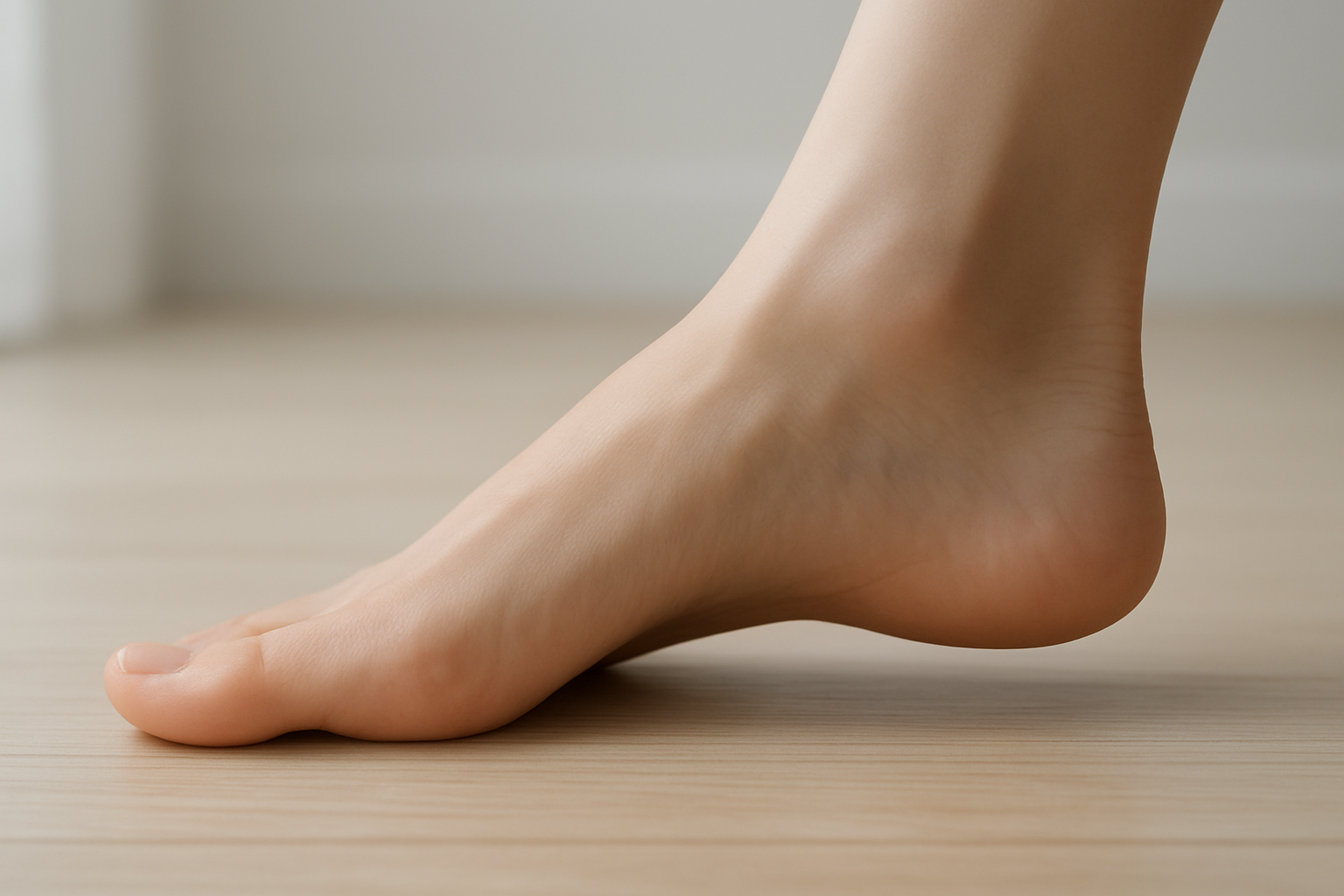
A pronounced arch gap is the hallmark of pes cavus, the condition that makes targeted shoe inserts for high arches so important.
Common Symptoms That Signal You Need Arch Support
Before choosing an insole, it helps to understand exactly what your feet are telling you. High-arch sufferers often experience a cluster of recognizable symptoms.
- Heel and ball-of-foot pain — especially after prolonged standing or walking
- Plantar fasciitis — sharp heel pain caused by inflammation of the plantar fascia
- Metatarsalgia — burning pain in the ball of the foot from excess pressure
- Ankle instability — frequent rolling or spraining of the ankle
- Calluses and corns — from uneven weight distribution across the foot
- Knee and lower back pain — resulting from poor shock absorption traveling up the kinetic chain
In particular, if you notice that your shoes wear down primarily on the outer heel and outer forefoot, supination from high arches is likely contributing to the problem.
How to Choose the Right Shoe Inserts for High Arches
Not all insoles are created equal. Therefore, selecting the right insert requires understanding both your foot structure and your lifestyle needs. Follow these steps to make an informed decision.
- Confirm your arch type. Perform a wet foot test at home: wet the bottom of your foot, step onto a piece of cardboard or paper bag, and examine the imprint. A very narrow or absent mid-foot band confirms a high arch. For a definitive assessment, consult a podiatrist.
- Identify your primary symptoms. Note where pain occurs — heel, ball, ankle, or lateral edge — as this guides the type of cushioning and support your insert should provide.
- Choose between custom and over-the-counter insoles. Generic insoles offer basic cushioning. Custom orthotics, however, are fabricated from a precise mold of your foot, addressing your specific structural imbalance far more effectively.
- Select the correct length and style. Full-length orthotics suit athletic and casual shoes. Three-quarter length designs fit better in dress shoes or footwear with limited interior depth.
- Break in your new inserts gradually. Start with two to three hours of wear on day one. Then increase daily usage by one to two hours until you can wear them comfortably all day.
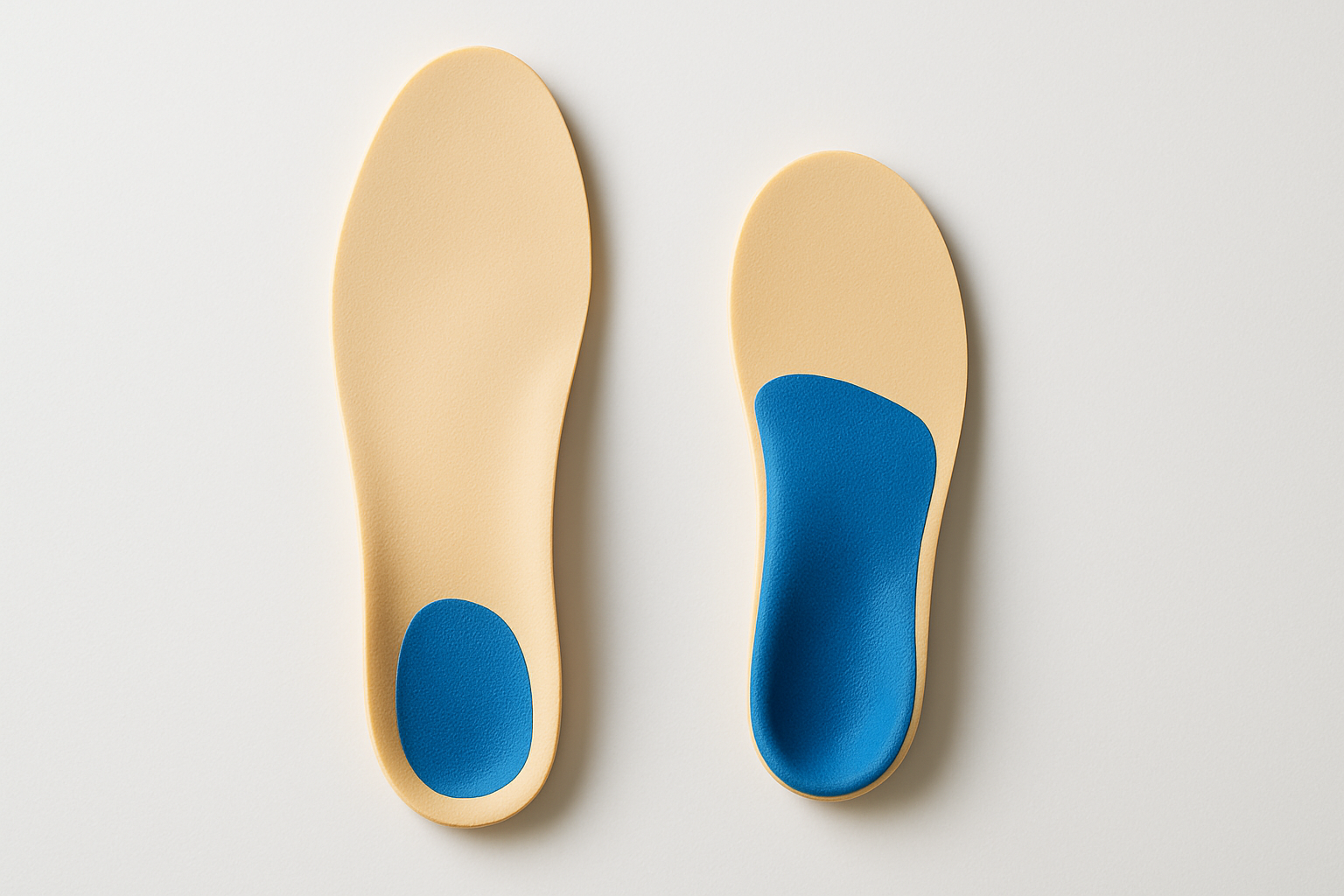
Choosing the right length is key — custom shoe inserts for high arches come in styles designed for different footwear types.
Custom Orthotics vs. Over-the-Counter Insoles: What's the Difference?
Over-the-counter insoles are mass-produced to fit a general foot shape. They can provide temporary relief, but they are not designed around your unique arch height, pressure points, or gait pattern. Consequently, they often fall short for people with significant structural issues.
Custom orthotics, by contrast, are fabricated directly from an individual mold of your foot. This means every contour, curve, and pressure point is accounted for. The result is a device that supports your specific arch architecture rather than a generic approximation of it.
At customorthotics.com, a podiatrist-owned practice with over 20 years of experience and an A+ BBB rating, every orthotic is crafted from a personal foot mold. This level of precision simply cannot be replicated by a generic insole pulled off a pharmacy shelf. Patients can even consult with the podiatrist directly by phone at no charge before placing an order.
Key Features to Look for in a High-Arch Insole
Whether you opt for custom or off-the-shelf, certain design elements are essential for effective high-arch support.
- Deep arch fill: Fills the elevated arch gap to distribute weight evenly
- Semi-rigid or rigid shell: Provides structural control and prevents excessive supination
- Cushioned top cover: Absorbs impact at the heel and forefoot
- Heel cup: Centers and stabilizes the heel to reduce lateral rolling
- Metatarsal pad: Relieves pressure under the ball of the foot
Orthotic Options Available for High-Arch Sufferers
Different lifestyles and footwear call for different orthotic styles. Fortunately, there are several well-matched options to consider depending on your needs.
For everyday athletic and casual wear, a full-length custom orthotic provides comprehensive support from heel to toe, making it ideal for people who are on their feet all day. This style delivers the broadest weight distribution across the entire plantar surface.
If you prefer dress shoes or footwear with a narrower toe box, a three-quarter length orthotic is an excellent alternative. It supports the heel and arch without extending into the toe area, fitting more discreetly in tighter shoes.
For golfers specifically, a golfer-specific orthotic is engineered to handle the rotational forces of the golf swing while maintaining arch support throughout 18 holes. Similarly, if heel stability is your primary concern, a full-length orthotic with heel post adds an extra layer of rearfoot control to prevent lateral rolling.
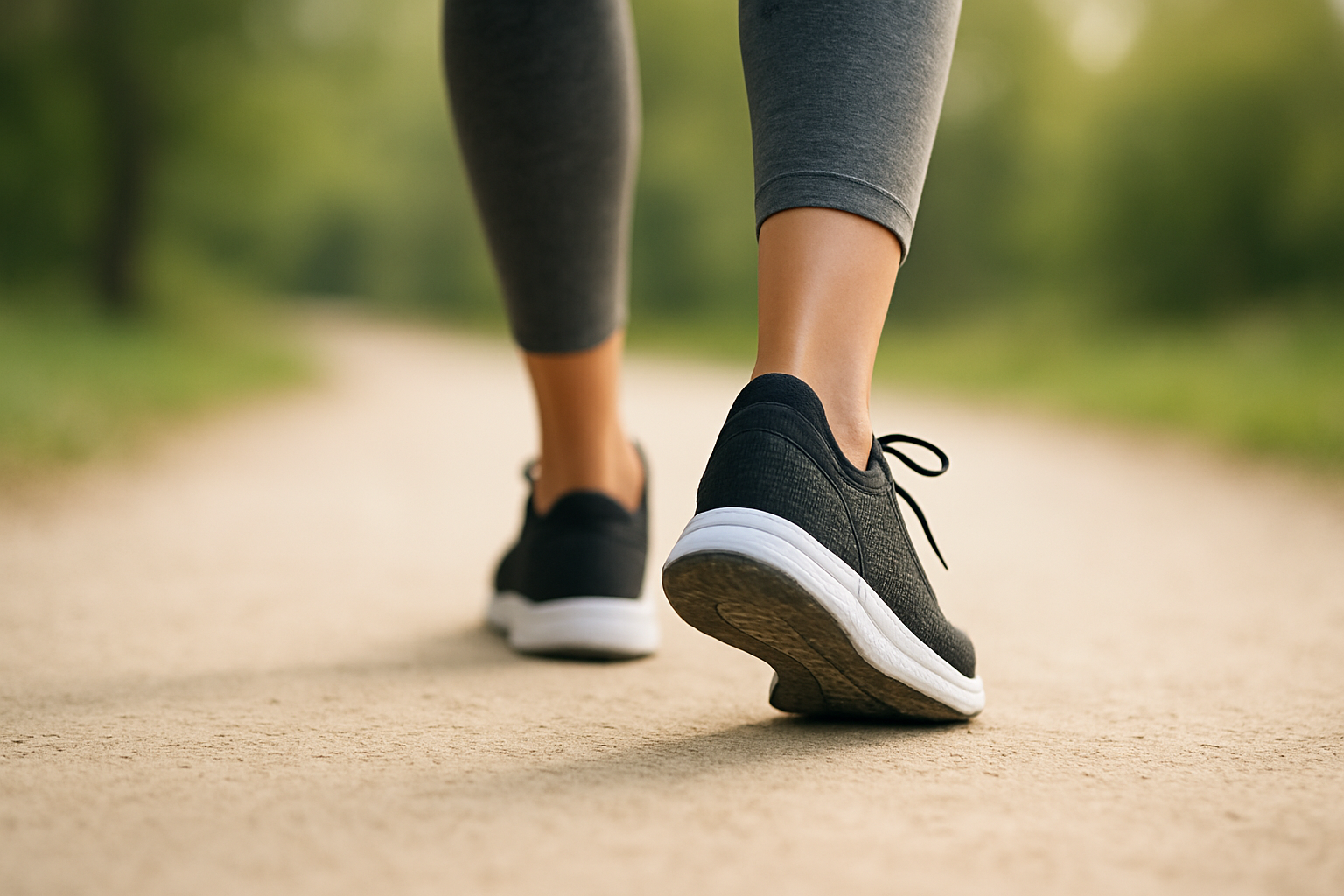
Proper high-arch support allows for comfortable, confident movement throughout the day.
How Long Does It Take for Arch Support Insoles to Work?
Many people notice a reduction in pain within the first one to two weeks of consistent use. However, the full biomechanical benefit of custom orthotics — improved gait mechanics, reduced supination, and long-term joint protection — typically develops over four to eight weeks of regular wear.
It is important to note that some initial soreness is normal during the break-in period. This is because your muscles and tendons are adjusting to a corrected alignment they may not have experienced before. As a result, patience and gradual wear increase are essential during the first two weeks.
When Should You See a Podiatrist?
You should consult a podiatrist if your foot pain is chronic, worsening, or accompanied by numbness, swelling, or difficulty walking. Additionally, if over-the-counter insoles have not provided relief after six to eight weeks, a custom orthotic evaluation is strongly recommended.
The team at customorthotics.com offers a complimentary phone consultation with a licensed podiatrist, making it easy to get expert guidance before committing to an orthotic device. Whether you are local or ordering remotely, the process is straightforward and designed with your comfort as the priority.
Quick Fact
Research published in the Journal of Foot and Ankle Research found that custom foot orthotics significantly reduce pain and improve function in individuals with pes cavus, with participants reporting measurable improvement in quality of life after just six weeks of use.
Frequently Asked Questions About Shoe Inserts for High Arches
What are shoe inserts for high arches?
Shoe inserts for high arches are supportive devices placed inside footwear to cushion and stabilize a foot with an elevated arch structure. They redistribute pressure, reduce pain, and help correct the gait mechanics affected by a high arch. Custom versions are fabricated from a mold of the individual foot for maximum precision.
How do I know if I have high arches?
A simple wet foot test can reveal your arch type: if only the ball and heel appear on a wet surface with little or no mid-foot contact, you likely have high arches. A podiatrist can confirm this with a clinical gait analysis for a definitive diagnosis.
Are custom orthotics better than over-the-counter insoles for high arches?
Yes. Custom orthotics are fabricated from a mold of your specific foot, providing a precise fit that generic insoles cannot replicate. They address the root cause of your structural imbalance rather than simply adding generic cushioning.
What conditions can shoe inserts for high arches help treat?
High-arch insoles can help relieve plantar fasciitis, Achilles tendinitis, metatarsalgia, ankle instability, shin splints, and knee pain. They work by correcting the biomechanical imbalances that contribute to these conditions over time.
How long do custom orthotics for high arches last?
High-quality custom orthotics typically last between two and five years with regular use. The lifespan depends on activity level, body weight, and the materials used in fabrication.
Can shoe inserts fix high arches permanently?
Shoe inserts do not structurally change the arch itself, but they manage symptoms and biomechanical consequences very effectively. Consistent use can prevent long-term damage and significantly improve daily comfort and function.
What type of arch support is best for high arches?
High arches require a deep, contoured arch fill that supports the elevated curve without adding undue pressure. A semi-rigid or rigid shell with cushioning on top is generally the most effective design for high-arch support and gait correction.
How much do custom orthotics for high arches cost?
Custom orthotics typically range from $200 to $800 depending on the provider and complexity of the device. While more expensive upfront than off-the-shelf options, their superior precision and durability make them a cost-effective long-term investment in foot health.
Can I wear high arch inserts in any shoe?
Most custom orthotics are designed to fit a range of shoe types, including athletic shoes, dress shoes, and work boots. Full-length orthotics suit roomy shoes, while three-quarter length designs work better in tighter footwear with less interior depth.
What is supination and how does it relate to high arches?
Supination, or underpronation, is when the foot rolls outward during walking or running — a pattern common in people with high arches. This places excess stress on the outer edge of the foot and can lead to ankle sprains and stress fractures without proper support.
Do I need a prescription to get custom orthotics for high arches?
A prescription is not always legally required, but consulting a podiatrist before ordering ensures the device is correctly designed for your specific foot structure. Many providers, including customorthotics.com, offer a complimentary consultation to guide your decision.
How long does it take to get used to wearing shoe inserts for high arches?
Most people need a break-in period of one to two weeks when starting new orthotics. It is recommended to begin with a few hours of wear per day and gradually increase usage as your feet and muscles adapt to the corrected alignment.
Conclusion: Take the First Step Toward Pain-Free Feet
Finding the right shoe inserts for high arches is one of the most impactful steps you can take for your long-term foot health. Whether you are dealing with plantar fasciitis, chronic heel pain, or general discomfort from supination, a properly designed orthotic insert can redistribute pressure, stabilize your gait, and deliver lasting relief. Over-the-counter options offer a starting point, but for a truly precise solution, custom orthotics crafted from a mold of your own foot remain the gold standard. If you are ready to address your foot pain at its source, customorthotics.com provides podiatrist-designed, fully custom orthotics backed by more than 20 years of experience — with a complimentary consultation to help you get started the right way.