

A podiatrist orthotics consultation is an evaluation where a foot and ankle specialist examines your feet, gait, and medical history to determine whether custom orthotics can relieve your pain. This visit is often the first, and most important, step toward finding real relief from chronic foot pain, structural imbalances, and mobility issues that off-the-shelf insoles simply cannot fix. During the appointment, however, the podiatrist does more than glance at your feet, they evaluate movement patterns and press on pressure points to find the true source of discomfort. Below, we'll walk through exactly what happens during a consultation, what it typically costs, and how to prepare so you can get the most out of your appointment.

A podiatrist orthotics consultation begins with a hands-on examination of foot structure and alignment.
What Is a Podiatrist Orthotics Consultation?
A podiatrist orthotics consultation is a professional evaluation where a foot and ankle specialist examines your foot structure, gait, and medical history to diagnose the source of your pain and decide whether custom orthotics can help. It typically includes a physical exam, a walking assessment, and a conversation about your symptoms and lifestyle. In short, it's a diagnostic appointment, not just a shoe-insert fitting.
Because every foot is shaped differently, a podiatrist orthotics consultation goes far beyond measuring shoe size. Instead, the podiatrist looks at bone alignment, arch height, calluses, and pressure points to understand why pain is occurring in the first place. As a result, any orthotics recommended afterward are built to correct the actual biomechanical issue, not just cushion the area that hurts.
This is also the stage where the podiatrist decides whether custom orthotics for conditions like flat feet are appropriate, or whether a different treatment path makes more sense. Consequently, patients leave with a clear, individualized plan rather than a generic recommendation.
Why a Foot Orthotics Consultation Matters for Long-Term Foot Health
Foot pain rarely stays confined to the feet. In fact, according to a national foot health survey conducted by the American Podiatric Medical Association, nearly 78% of American adults have experienced some form of foot pain, and much of it goes untreated for years. Over time, untreated foot problems can shift stress onto the knees, hips, and lower back, creating a chain reaction of discomfort.
A foot orthotics consultation matters because it catches these issues early. For example, a podiatrist can spot early signs of plantar fasciitis, bunions, or overpronation long before they become severe. As a result, patients often avoid more invasive treatments later on, such as surgery or long-term medication use.
Furthermore, this consultation gives patients a clear explanation of why their feet hurt. Rather than guessing which drugstore insole might help, you receive a professional opinion backed by a physical exam. For more general guidance, this podiatrist foot care advice guide offers additional tips for maintaining healthy feet between visits.
What Happens During an Orthotic Consultation With a Podiatrist? (Step-by-Step)
Wondering what actually takes place once you sit down with a specialist? Here's a step-by-step breakdown of a typical orthotic consultation with a podiatrist, from the first question to the final fitting.
- Initial Health and Lifestyle Review: The podiatrist asks about your pain, daily activities, footwear, and any past injuries so they understand the full picture before touching your feet. This conversation typically takes about ten to fifteen minutes and shapes the rest of the exam.
- Visual and Physical Foot Examination: Next, the podiatrist inspects your arches, heels, toes, and skin for calluses, swelling, or misalignment that point to specific structural problems. They may also press on certain areas to check for tenderness or inflammation.
- Gait Analysis: You'll likely be asked to walk or stand so the podiatrist can watch how your foot strikes the ground, rolls, and pushes off with each step. This reveals imbalances that are invisible when the foot is at rest.
- Custom Mold Casting: If custom orthotics are recommended, the podiatrist takes a precise mold or digital scan of each foot in its corrected, neutral position. This mold becomes the exact blueprint used to fabricate your personalized orthotic device.
- Orthotic Design and Fabrication: Using the mold, technicians build the orthotic to match your specific arch height, pressure points, and foot function rather than a generic size or shape. This step usually happens off-site in a dedicated lab.
- Fitting and Follow-Up: Once your orthotics are ready, the podiatrist checks the fit inside your shoes and adjusts as needed, then schedules a follow-up to confirm the device is relieving your symptoms properly.
If you'd like a closer look at this process, this detailed guide on what to expect during a consultation for orthotics walks through each stage in more depth.
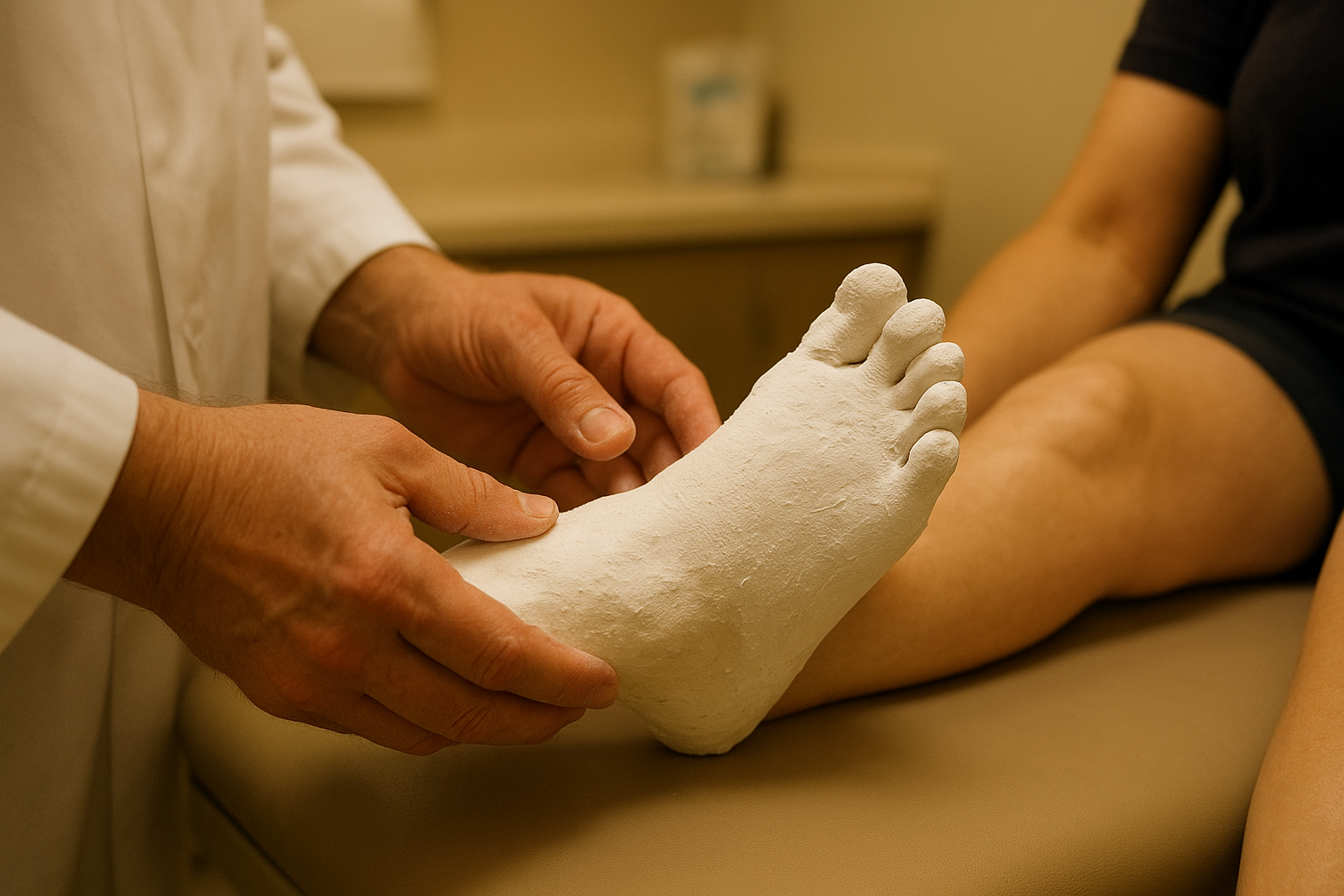
Custom mold casting turns the findings from your consultation into a precise, personalized orthotic design.
Custom Orthotics vs. Off-the-Shelf Insoles: What Your Consultation Reveals
One of the clearest benefits of a professional consultation is understanding why mass-produced insoles often fall short. Off-the-shelf products are built to fit an average foot shape, whereas orthotics made from an individual mold are shaped around your exact anatomy.
During your consultation, the podiatrist will likely explain these differences directly. In particular, they'll point out where a generic insole might press on a sensitive area or fail to support a specific arch type. Similarly, they can show you exactly how a custom device would correct that same problem.
| Feature | Off-the-Shelf Insoles | Custom Orthotics |
|---|---|---|
| Fit | Generic sizing | Molded to your exact foot |
| Diagnosis Behind It | None | Full podiatrist evaluation |
| Durability | Months | Often several years |
How to Prepare for Your Orthotic Consultation
A little preparation goes a long way toward making your visit efficient and productive. Above all, the podiatrist needs accurate information about your symptoms and habits to make the right recommendation.
Before your appointment, consider bringing the following:
- A list of your current symptoms, including when the pain started and what makes it worse.
- The shoes you wear most often, especially work shoes or athletic footwear.
- Any previous X-rays, imaging, or diagnoses related to your feet, knees, or back.
- A general idea of your daily activity level, such as standing hours or exercise routines.
Additionally, it helps to avoid tight compression socks or fresh nail polish that could obscure skin details the podiatrist needs to see. If you're ordering through an online platform, you can also request a complimentary phone consultation with a podiatrist before committing to a custom device, which is a convenient option offered directly through customorthotics.com.
What Does an Orthotics Consultation Cost?
Cost is understandably one of the first questions patients ask. In many cases, the initial consultation itself is offered at low or no cost, particularly when a practice provides a complimentary phone consultation as part of its ordering process.
The custom orthotic device itself is a separate expense, and pricing typically depends on the materials used, the complexity of the mold, and whether insurance covers part of the cost. For instance, some insurance plans partially reimburse custom orthotics when they're deemed medically necessary by a podiatrist. Therefore, it's worth asking about coverage during your consultation rather than after the device is made.
Common Foot Conditions Diagnosed During a Consultation
A wide range of conditions can surface during a thorough exam. Some of the most frequently diagnosed issues include:
- Plantar fasciitis, a common cause of heel pain, as described by MedlinePlus.
- Flat feet or fallen arches that place uneven stress on joints.
- Bunions and hammertoes caused by structural misalignment.
- Diabetic foot complications requiring specialized support and monitoring.
- Overpronation or supination affecting the knees and hips over time.
Because these conditions often overlap, a podiatrist orthotics consultation is designed to sort out which factors are actually driving your pain. Consequently, treatment can target the real cause instead of a symptom that might disappear and return later.
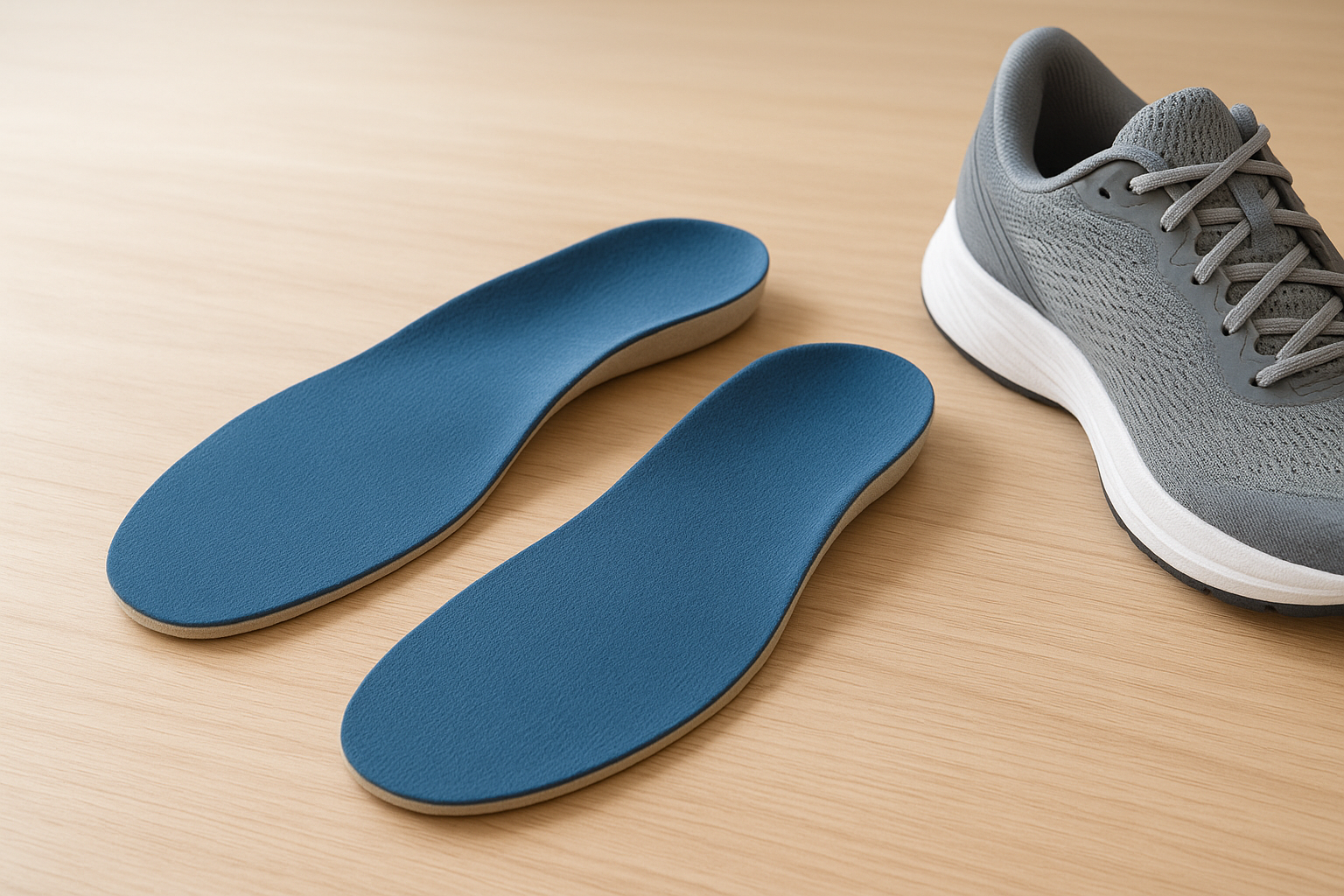
Custom orthotics designed after a thorough consultation are built to match each foot's unique shape.
Frequently Asked Questions About Podiatrist Orthotics Consultations
What is a podiatrist orthotics consultation?
A podiatrist orthotics consultation is a professional evaluation where a foot specialist examines your foot structure, gait, and symptoms to determine whether custom orthotics can relieve your pain. It typically includes a physical exam and a discussion of your medical history.
How long does a podiatrist orthotics consultation take?
Most consultations last between 30 and 60 minutes, depending on the complexity of your symptoms. Follow-up fittings are usually shorter, often around 15 to 20 minutes.
How much does an orthotics consultation cost?
Many practices offer a free or low-cost initial consultation, especially when ordering custom orthotics online. The custom device itself is priced separately based on materials and complexity.
What should I bring to my consultation?
Bring your most-worn shoes, a list of your symptoms, and any prior imaging or diagnoses related to your feet, knees, or back. This helps the podiatrist form an accurate picture quickly.
Do I need a doctor's referral to see a podiatrist for orthotics?
In most cases, no referral is required to schedule a consultation, though some insurance plans may request one for reimbursement purposes. It's best to check with your specific provider beforehand.
What's the difference between custom orthotics and store-bought insoles?
Custom orthotics are built from an individual mold of your foot, while store-bought insoles are mass-produced in standard sizes. As a result, custom devices typically offer more precise support and longer-lasting relief.
How long does it take to receive custom orthotics after the consultation?
Fabrication usually takes two to four weeks after the mold is taken, since each device is built individually. Some providers offer faster turnaround for an additional fee.
Can a podiatrist orthotics consultation be done remotely?
Some practices offer an initial phone consultation with a podiatrist to discuss symptoms before arranging an in-person or mail-in molding process. This makes professional-grade orthotics accessible even for patients who can't visit in person.
What conditions can be identified during an orthotics consultation?
Common findings include plantar fasciitis, flat feet, bunions, overpronation, and diabetic foot complications. Identifying the exact condition allows the podiatrist to recommend the most effective treatment.
Is an orthotics consultation covered by insurance?
Coverage varies by plan, but many insurers partially reimburse custom orthotics when a podiatrist documents medical necessity. Always confirm coverage details during your consultation.
What mistakes should I avoid before my consultation?
Avoid wearing tight compression socks, applying fresh nail polish, or leaving out details about past injuries, since these can make the exam less accurate. Being upfront about your daily habits also leads to a better recommendation.
How often should I get a new orthotics consultation?
Most patients benefit from reassessment every two to three years, or sooner if their pain changes or activity level shifts significantly. Growing children and patients with progressive conditions may need more frequent check-ins.
Final Thoughts on Booking Your Podiatrist Orthotics Consultation
In the end, a podiatrist orthotics consultation is about more than just getting a pair of inserts, it's about understanding exactly why your feet hurt and fixing the actual cause. From the initial exam to gait analysis and custom mold casting, every step is designed to build a device that matches your body, not a generic template. As a result, patients typically experience longer-lasting relief compared to store-bought alternatives.
If you're ready to take the next step, scheduling a consultation is simple and often free of charge. Whether you visit in person or start with a phone conversation, a qualified podiatrist can help you decide whether custom orthotics are right for you, and guide you through additional resources on custom orthotics along the way.