

Insoles for hiking are one of the most overlooked pieces of gear that can make or break a day on the trail, since the right pair supports your arches, cushions impact, and keeps blisters and fatigue at bay across long miles. Whether you're planning a weekend day hike or a multi-day backcountry trip, the right insole can be the difference between finishing strong and nursing arch pain, shin splints, or hot spots for days afterward. This guide explains what makes hiking insoles effective, how they compare to standard shoe inserts, and when custom orthotics may offer stronger support than off-the-shelf options.
Quick Answer: Insoles for hiking are specialized inserts placed inside boots or trail shoes to cushion the foot, support the arch, and stabilize the ankle on uneven terrain. The most effective hiking insoles combine shock absorption with structural support, and custom-molded versions generally outperform generic pairs for hikers dealing with existing foot conditions or biomechanical imbalances.
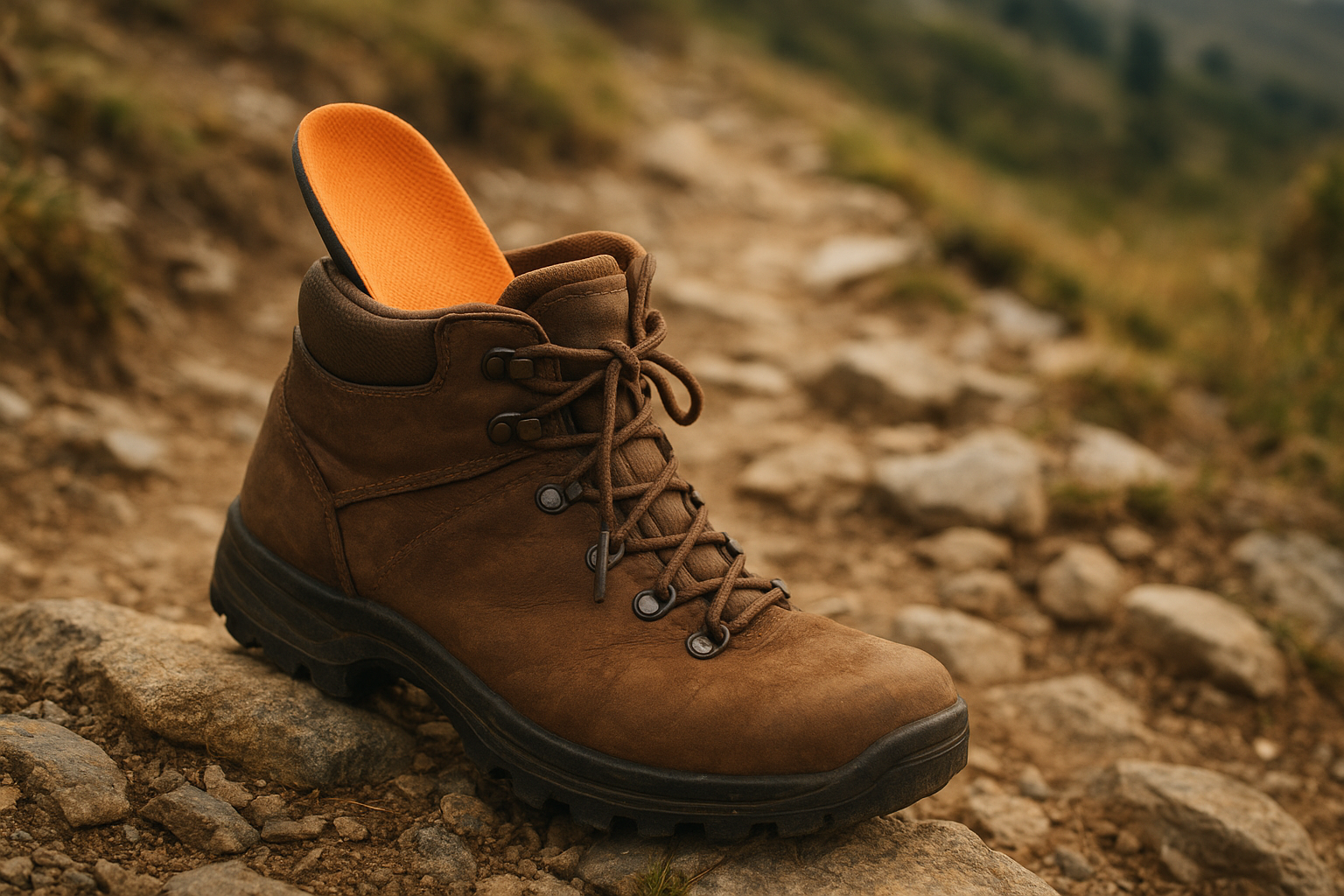
A well-fitted insole for hiking keeps the foot stable across rocky, uneven terrain.
What Are Insoles for Hiking?
Insoles for hiking are removable inserts designed to replace the flat, thin footbeds that come standard in most hiking boots and trail shoes. Unlike casual insoles, they're built to handle repetitive impact, lateral movement, and sustained load across mileage that everyday walking shoes rarely encounter.
Most hiking insoles use a three-layer construction: a moisture-wicking top cover, a cushioning midlayer made from foam or gel, and a firmer support shell underneath that holds its shape under load. This layered design, similar to the general structure described in Wikipedia's overview of the insole, helps distribute pressure evenly across the foot instead of concentrating it on the heel or forefoot.
Because hiking involves constant elevation changes and uneven footing, the support shell matters just as much as the cushioning. A rigid or semi-rigid arch keeps the foot from rolling too far inward or outward on loose rock or roots, which reduces strain on the ankles, knees, and lower back over a long trek. In fact, the American Podiatric Medical Association notes that a large share of adults will experience a foot health problem at some point, and hikers who log significant trail mileage face even higher exposure to overuse injuries without proper support.
Why Hiking Insoles Matter for Trail Performance
Hiking places far more stress on the feet than everyday walking. Consequently, hiking insoles need to handle three challenges that regular shoe inserts rarely face: sustained load from a loaded backpack, constant micro-adjustments on uneven ground, and extended time on your feet without a break.
For example, a heavy pack can noticeably increase the compressive force traveling through your arches with each step. Similarly, loose gravel, roots, and rock gardens force your feet to make hundreds of small stabilizing movements per mile, which fatigues the muscles that support your arch. As a result, hikers who rely on flat, unsupportive factory insoles often report arch pain, hot spots, or numbness within the first few hours of a hike.
In contrast, a well-designed hiking insole absorbs shock at heel strike, cradles the arch through the stance phase, and provides enough structure to resist collapsing under repeated load. The National Park Service also lists properly fitted footwear as a core part of trail safety, since foot injuries are a common reason hikers cut trips short. Therefore, choosing the right insole isn't just about single-day comfort — it's about protecting your joints across years of trail use. For a deeper breakdown of options for multi-day trips, this guide on choosing insoles for long hikes covers additional considerations.
Key Features to Look for in Hiking Insoles
When comparing insoles for hiking, a few features consistently separate reliable options from disappointing ones:
- Arch support that matches your foot type (low, neutral, or high arch)
- A durable, moisture-wicking top layer that resists odor and bacteria buildup
- A firm heel cup that stabilizes the rearfoot on descents
- Shock-absorbing cushioning in the forefoot and heel strike zones
- A shape that fits your boot's internal volume without crowding your toes
Additionally, material choice matters more on the trail than in daily shoes. EVA foam offers lightweight cushioning but compresses faster under heavy pack loads, while cork or firmer polymer shells hold their shape over hundreds of miles. Meanwhile, breathable top covers help manage moisture on long, sweaty days, which in turn reduces blister risk.
Not every hiker needs the same combination. Someone with flat feet and a tendency to overpronate typically needs firmer arch support than a hiker with a naturally high, rigid arch who needs more cushioning to compensate for reduced shock absorption. This is one reason generic insoles, sized only by shoe size, often fall short for hikers with more pronounced foot shapes.
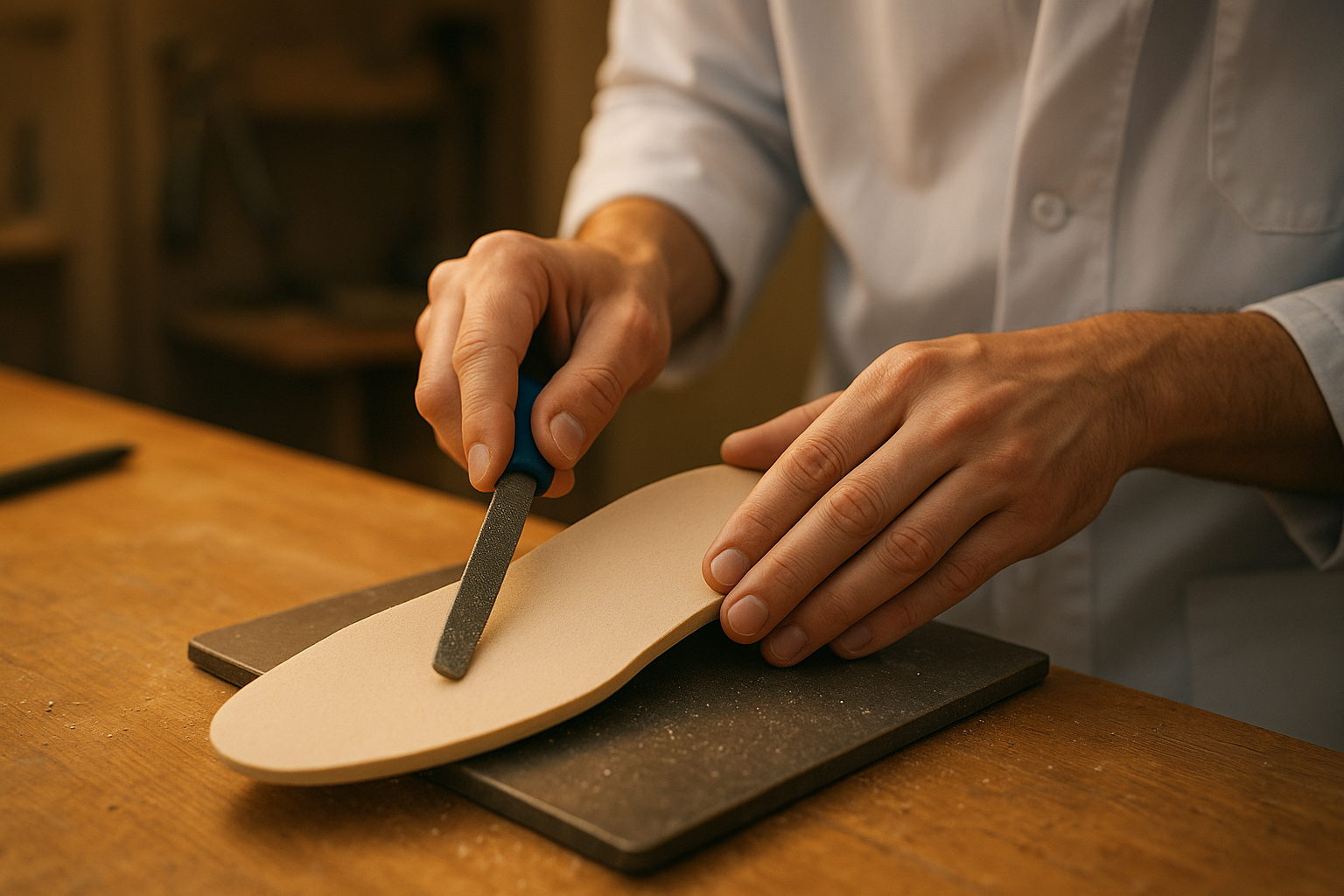
Custom orthotics are fabricated from an individual mold rather than a generic template.
Custom Orthotics vs Off-the-Shelf Insoles for Hiking
Off-the-shelf insoles for hiking are mass-produced in a handful of arch heights and sizes, which works fine for hikers with average foot shapes and no history of foot pain. However, hikers with flat feet, high arches, bunions, or a history of plantar fasciitis often find that generic insoles only address part of the problem.
Custom orthotics, by contrast, are built from an actual mold of your foot rather than a generalized template. This means the arch support, heel positioning, and forefoot cushioning are shaped specifically around your biomechanics rather than an average foot profile. For hikers who've tried multiple store-bought insoles without lasting relief, this level of customization can address the root cause of pain rather than simply cushioning around it.
CustomOrthotics.com, for instance, fabricates orthotics directly from individual foot molds rather than pre-set shapes, drawing on more than two decades of podiatric fabrication experience. If you're curious whether this type of device is suitable for trail use specifically, this article on whether custom orthotics are suitable for hiking walks through the fitting process, and hikers who prefer to skip an in-person visit can also review whether custom insoles for hiking are available entirely online.
How to Choose the Right Insoles for Hiking
Selecting the right pair doesn't have to be complicated. Follow these steps in order to narrow down what will actually work for your feet and your typical trips.
- Stand barefoot on a flat surface and check whether your arch touches the ground, then note any recurring pain in your heels, arches, or forefoot from past hikes so you know what support you need most.
- Choose a firmer support shell if you regularly hike with a loaded backpack over twenty pounds, since softer foam insoles compress quickly and lose their structure under sustained weight.
- Remove your factory insole and compare its thickness to any replacement, because a bulkier custom or aftermarket insole can crowd your toes or create pressure points if your boots run narrow.
- Wear new insoles for hiking on several short walks or day hikes first, since even well-fitted insoles need time for the cushioning to adjust to your gait and foot shape.
- If arch pain, heel pain, or numbness continues after trying multiple off-the-shelf options, schedule a consultation with a podiatrist to discuss whether custom-molded orthotics would better address your specific foot structure.
Common Mistakes When Choosing Hiking Insoles
Even experienced hikers make avoidable mistakes when selecting insoles for hiking. One of the most frequent is buying based on cushioning alone, without considering arch support or heel stability. Soft, plush insoles feel comfortable in the store but often collapse under load within a few miles.
Another common mistake is ignoring boot volume. Adding a thick insole to an already snug boot can compress the toes and increase blister risk, particularly on long descents where feet slide forward inside the boot. Similarly, many hikers skip the break-in period entirely, wearing brand-new insoles on a long trip without testing them first.
Finally, hikers with diagnosed conditions like plantar fasciitis or bunions sometimes assume any "supportive" insole will help. In reality, generic support often fails to target the specific pressure points these conditions create, which is why custom-molded options tend to perform better for hikers managing chronic foot issues.

Proper foot support matters most on long, uneven mountain trails.
Custom Support for Hiking, Standing, and Other Outdoor Activities
Hiking isn't the only activity where proper foot support matters. Many of the same biomechanical issues that cause trail pain — flat arches, overpronation, heel instability — also show up in jobs and hobbies that keep people on their feet for hours at a time. In addition, hikers who camp, trail run, or do other outdoor activities often benefit from reviewing this guide to custom orthotic support for outdoor activities. For hikers who also work in retail, healthcare, or hospitality, it's worth noting how custom insoles for people who stand all day are built around similar support principles.
If you're ready to explore whether custom orthotics fit your specific hiking needs, CustomOrthotics.com offers a straightforward path: connect with the podiatrist directly for a complimentary consultation, or order through the online platform without needing an in-person visit. The team's more than 20 years of fabrication experience and A+ Better Business Bureau rating reflect a level of craftsmanship that off-the-shelf insoles simply aren't built to match. You can review pricing and options directly at customorthotics.com when you're ready to take the next step.
Frequently Asked Questions About Insoles for Hiking
What are insoles for hiking?
Insoles for hiking are removable inserts placed inside boots or trail shoes to cushion the foot, support the arch, and stabilize the ankle on uneven terrain. They differ from everyday insoles by using firmer materials that hold their shape under a loaded backpack and repeated impact.
How do hiking insoles differ from regular shoe insoles?
Hiking insoles use firmer support shells and more durable cushioning than everyday insoles, since they need to handle pack weight and uneven ground without collapsing. Regular insoles are typically built for flat, predictable surfaces like sidewalks or office floors.
Why do hikers need extra arch support?
Extra arch support helps control excess pronation and reduces the small stabilizing movements your feet make on loose rock, roots, and slopes. Without it, hikers often develop arch fatigue, heel pain, or compensating knee and hip discomfort over long distances.
How often should I replace my hiking insoles?
Most hiking insoles should be replaced every 300 to 500 trail miles, or sooner if the cushioning feels flat or the arch support no longer holds its shape. Custom orthotics generally last longer due to their firmer, more durable support shells.
Are custom orthotics better than store-bought insoles for hiking?
For hikers with flat feet, high arches, or a history of foot pain, custom orthotics typically outperform store-bought insoles because they're molded to individual foot shape rather than a general template. Hikers with average, pain-free feet may do fine with a quality off-the-shelf option.
How much do custom insoles for hiking typically cost?
Custom insoles generally cost more upfront than off-the-shelf insoles, though pricing varies by provider and the complexity of the mold. Many patients offset the higher cost with longer durability and fewer repeat purchases over several hiking seasons.
What materials work best for hiking insole cushioning?
EVA foam offers lightweight, affordable cushioning but compresses faster under heavy pack loads, while cork or firmer polymer shells hold their shape over long mileage. Many hiking insoles combine both, pairing a supportive base with a softer cushioned top layer.
Can insoles for hiking help with plantar fasciitis on the trail?
Yes, insoles for hiking with targeted heel cushioning and firm arch support can reduce strain on the plantar fascia during long hikes. However, hikers with chronic or severe plantar fasciitis often see better results from a custom-molded orthotic than a generic insert.
What is the most common mistake hikers make when choosing insoles?
The most common mistake is choosing insoles based on softness alone rather than arch support and structure. Plush insoles feel great in a store but often collapse under a loaded pack within just a few trail miles.
How long does it take to break in new hiking insoles?
Most hikers need two to four short walks or day hikes before new insoles feel fully broken in. It's best to avoid wearing brand-new insoles for the first time on a long or remote trip.
Do insoles for hiking fit in any type of hiking boot?
Not always. Thicker or custom insoles can crowd the toes in boots with a narrow internal volume, so it's important to compare the replacement insole's thickness to the factory footbed before buying.
Should beginners invest in custom insoles before their first long hike?
Beginners without a history of foot pain can often start with a quality off-the-shelf insole matched to their arch type. Hikers who already experience recurring foot, knee, or heel pain benefit more from investing in a custom-molded option from the start.
Final Thoughts on Insoles for Hiking
Choosing the right insoles for hiking comes down to understanding your arch type, your typical pack weight, and how your current boots fit. Off-the-shelf options work well for many hikers, but those managing recurring pain, flat feet, or diagnosed foot conditions often find longer-lasting relief with custom-molded orthotics built from an actual foot mold. Above all, the goal is the same either way: keeping your feet stable, cushioned, and pain-free from the first mile to the last. If store-bought insoles haven't solved your trail discomfort, a complimentary consultation with a podiatrist can help determine whether custom orthotics are the better long-term investment for your feet.