

High-performance custom orthotics are podiatrist-designed foot devices custom-molded from an impression of your individual feet to correct alignment, absorb shock, and relieve chronic pain more effectively than mass-produced inserts. Unlike generic insoles sold at drugstores, these orthotics are engineered from a direct cast of your unique foot structure, so every arch, ridge, and pressure point is addressed. As a result, athletes, workers who stand all day, and people managing structural imbalances often turn to high-performance custom orthotics once standard solutions fail to deliver lasting relief. This guide explains what separates a genuinely high-performance device from a basic insert, and how to choose one with confidence.
What Are High-Performance Custom Orthotics?
High-performance custom orthotics are footbeds built from a three-dimensional cast or scan of your foot, then reinforced with clinical-grade materials chosen to match your body weight, activity level, and biomechanical needs. Unlike heat-moldable kiosk inserts, they are fabricated in a dedicated lab under a podiatrist's direct oversight. Consequently, the finished device controls motion at precise points instead of simply cushioning the whole foot.
In practice, "high-performance" refers to the combination of a rigid or semi-rigid shell, precision posting, and a top cover engineered for durability. For example, a runner's device might use a lightweight carbon-fiber shell, while a diabetic patient's orthotic might prioritize soft, pressure-diffusing cushioning instead. Either way, the goal remains the same: correct the root biomechanical cause of discomfort rather than simply masking the symptom.
According to information published on Wikipedia's overview of orthotics, these devices have long been used in clinical medicine to manage musculoskeletal disorders by redistributing load across joints. That clinical foundation is exactly what separates a high-performance custom device from a generic insert bought off a shelf.
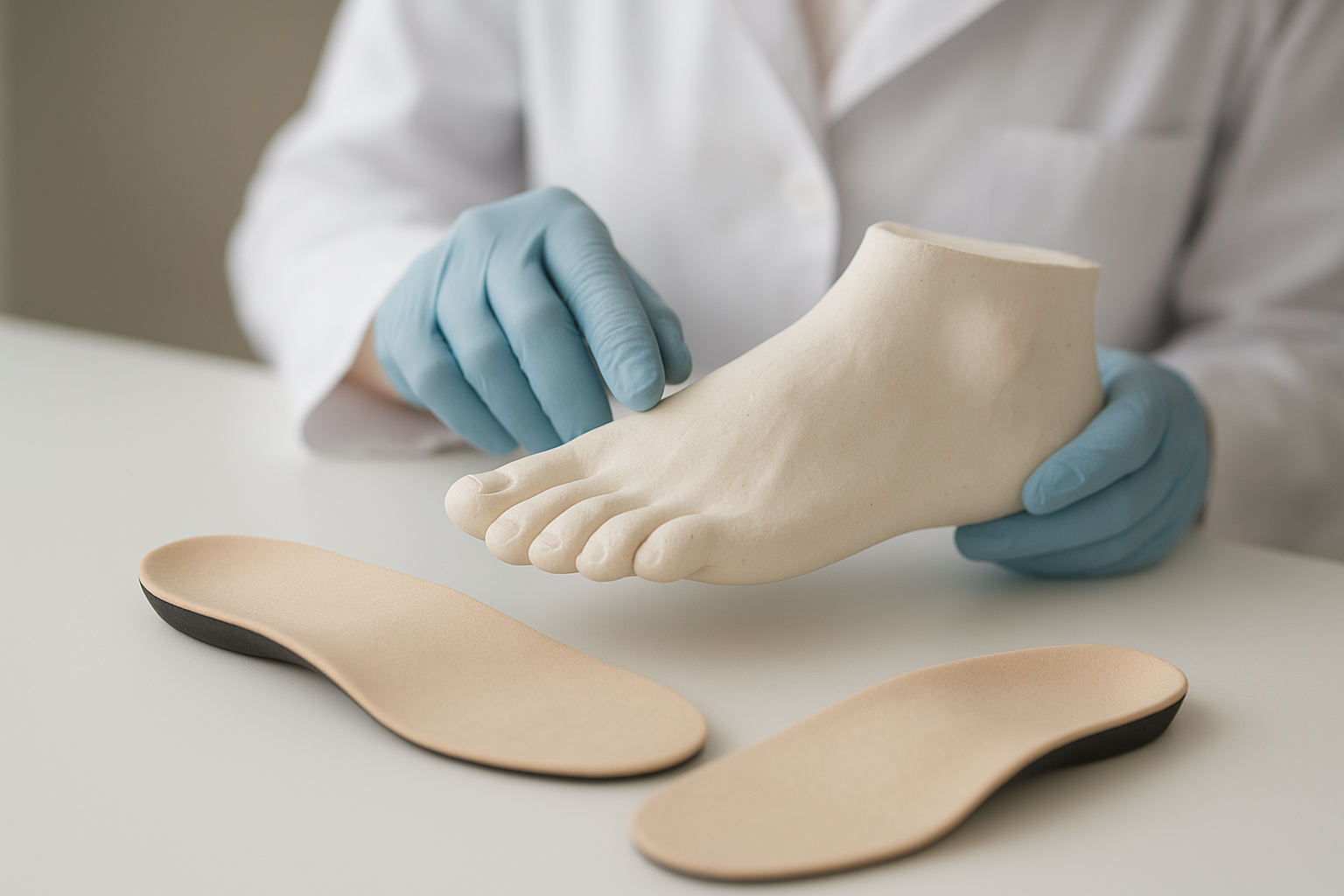
Every high-performance custom orthotic begins with a precise mold of the patient's own foot.
Why These Devices Outperform Off-the-Shelf Inserts
Foot pain is far more common than most people realize. In fact, the American Podiatric Medical Association has reported that a majority of adults experience foot pain significant enough to limit their daily activity at some point in life. Because generic insoles only cushion, they rarely correct the underlying mechanical fault causing that pain.
In contrast, high-performance custom orthotics are shaped from your actual foot impression, so they control excessive motion, redistribute pressure away from painful areas, and support the arch at the exact height your foot requires. Similarly, because the shell is matched to your body weight and activity level, the device holds its corrective shape far longer than foam that compresses within months.
Above all, a podiatrist-guided fitting means adjustments happen based on clinical feedback rather than guesswork. Patients researching which devices offer the best long-term value often compare options on a guide to choosing the right custom orthotic fit before committing to a design.
Key Features That Define High-Performance Orthotic Devices
Several construction details separate a true high-performance custom orthotic from a basic insert. Specifically, look for the following:
- Rigid or semi-rigid shell: A supportive base material, such as polypropylene or carbon fiber, that controls foot motion instead of merely padding it.
- Precision posting and wedging: Small angled corrections built into the heel or forefoot to realign how the foot strikes the ground.
- Reinforced heel cup: A deeper, contoured heel pocket that stabilizes the rearfoot during walking and running.
- Durable top cover: Breathable, moisture-resistant materials that resist wear across daily use.
- Activity-specific tuning: Adjustments made for running, standing work, dress shoes, or diabetic footwear needs.
Consequently, when these features work together, high-performance custom orthotics can address issues that generic cushioning simply cannot reach. To see how one provider approaches this craftsmanship, review this explanation of what makes customorthotics.com's orthotics unique.
How Custom Orthotics Are Fabricated: A Step-by-Step Process
Building a high-performance device follows a consistent clinical workflow. Here is how the process typically unfolds:
- Evaluate the foot and gait. A podiatrist examines foot structure, watches how you walk, and reviews symptoms to identify the biomechanical issue causing pain or imbalance.
- Cast or scan the foot. The practitioner captures a plaster cast or digital 3D scan of the foot in a neutral, corrected position to record its true shape accurately.
- Write the biomechanical prescription. Using the evaluation and mold, the podiatrist specifies shell rigidity, arch height, posting angles, and padding needed to correct the identified problem.
- Fabricate the device in the lab. Skilled technicians shape, heat-press, and grind the orthotic shell to the prescription, then add top covers and reinforcements before quality inspection.
- Fit, adjust, and guide the break-in period. The finished orthotics are fitted into your shoes, checked for pressure points, and adjusted while you receive instructions for a gradual break-in schedule.
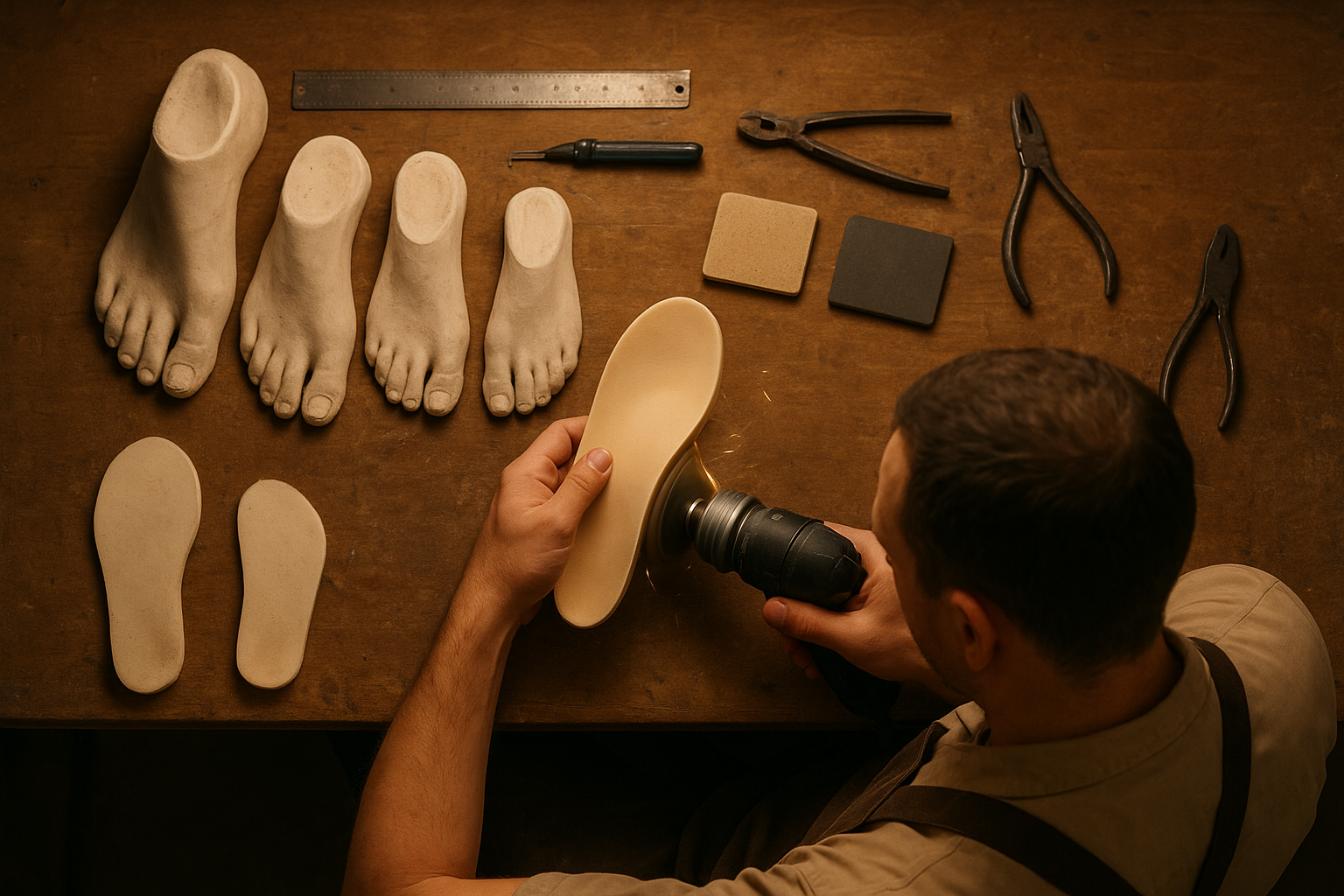
Skilled fabrication turns a foot mold into a finished, corrective device.
Conditions That Benefit from Custom Foot Orthotics
High-performance custom orthotics are frequently prescribed for plantar fasciitis, a common cause of heel pain described in detail on MedlinePlus. In addition, they support patients dealing with flat feet, overpronation, bunions, diabetic foot complications, and arthritis-related joint stress.
Furthermore, athletes recovering from sports injuries often use custom orthotics to correct the alignment issue that caused the injury in the first place, rather than only treating the symptom. For a broader breakdown of what these devices can address, see this overview of conditions that custom orthotics can help with.
Choosing the Right Premium Custom Orthotics for Your Needs
First, consider the activity you need the most support for, whether that is running, standing work, or daily walking, since posting and shell rigidity change based on impact level. Next, confirm the orthotics will fit your existing footwear, particularly if you rely on dress shoes or narrow athletic sneakers.
Above all, verify the provider's credentials. A podiatrist-owned practice with hands-on fabrication experience, such as one with over two decades in the field and an A+ Better Business Bureau rating, offers a level of accountability that generic online insole sellers cannot match. Meanwhile, a complimentary phone consultation can help confirm whether custom orthotics are the right next step before you commit to an order through a platform like customorthotics.com.
Cost Considerations for Premium Custom Orthotics
Pricing for high-performance custom orthotics varies depending on materials, reinforcement, and lab turnaround time. However, cost should never be the only factor, since a poorly fitted cheap device rarely resolves chronic pain. For patients balancing quality with budget, this resource on discount custom orthotics without sacrificing quality outlines how to find real savings without cutting corners on fit.
Frequently Asked Questions About High-Performance Custom Orthotics
What are high-performance custom orthotics?
High-performance custom orthotics are podiatrist-designed foot supports molded from an individual impression of your feet and built with clinical-grade materials to correct alignment and reduce pain. They differ from generic insoles because every contour is matched to your specific foot structure and gait pattern.
How do they differ from over-the-counter insoles?
Over-the-counter insoles are mass-produced in generic sizes, while custom orthotics are fabricated from a direct cast or scan of your foot. As a result, custom devices control specific pressure points and biomechanical faults that generic cushioning cannot address.
How long does it take to get custom orthotics made?
Most custom orthotics take between two and four weeks from casting to delivery, depending on the lab and design complexity. Rush production is sometimes available for an added fee.
How much do high-performance custom orthotics cost?
Pricing typically ranges from a few hundred dollars to several hundred dollars per pair, depending on materials and reinforcement. Discount programs can lower the cost without sacrificing the custom mold or podiatrist oversight.
What conditions can custom orthotics treat?
Custom orthotics commonly help plantar fasciitis, overpronation, flat feet, bunions, diabetic foot complications, and arthritis-related joint stress. They are also used to support recovery from sports injuries and lower-back pain linked to foot alignment.
How long do custom orthotics last?
Well-made custom orthotics generally last three to five years with regular use, though heavier activity levels may shorten that lifespan. Periodic evaluation ensures the device still matches your current foot shape.
Do I need a prescription for custom orthotics?
A formal prescription is not always legally required, but a podiatrist evaluation ensures the design targets your actual biomechanical issue. Skipping this step often leads to a device that fits poorly or fails to relieve pain.
What materials are used in high-performance custom orthotics?
Common materials include polypropylene or carbon-fiber shells for rigidity, EVA foam for cushioning, and breathable top covers for comfort. The exact combination depends on body weight, activity level, and the condition being treated.
Can custom orthotics be used in any type of shoe?
Most custom orthotics are designed for a specific shoe category, such as athletic, dress, or work footwear, because volume and heel height affect fit. Therefore, it helps to tell your provider which shoes you plan to wear most often.
What is the biggest mistake people make when choosing orthotics?
The most common mistake is buying a generic kiosk insert without a proper gait evaluation, which often masks symptoms instead of correcting the underlying cause. Choosing a lab-fabricated device based on an actual mold avoids this pitfall.
How do I know if I need custom orthotics instead of store-bought inserts?
If store-bought inserts have not relieved chronic pain after several weeks, or if you have a diagnosed structural imbalance, custom orthotics are usually the next appropriate step. A podiatrist consultation can confirm whether a custom device is warranted.
Are custom orthotics covered by insurance?
Many insurance plans partially cover custom orthotics when a podiatrist documents medical necessity, though coverage varies widely by provider. It is worth checking your policy details or asking the clinic to verify benefits before ordering.
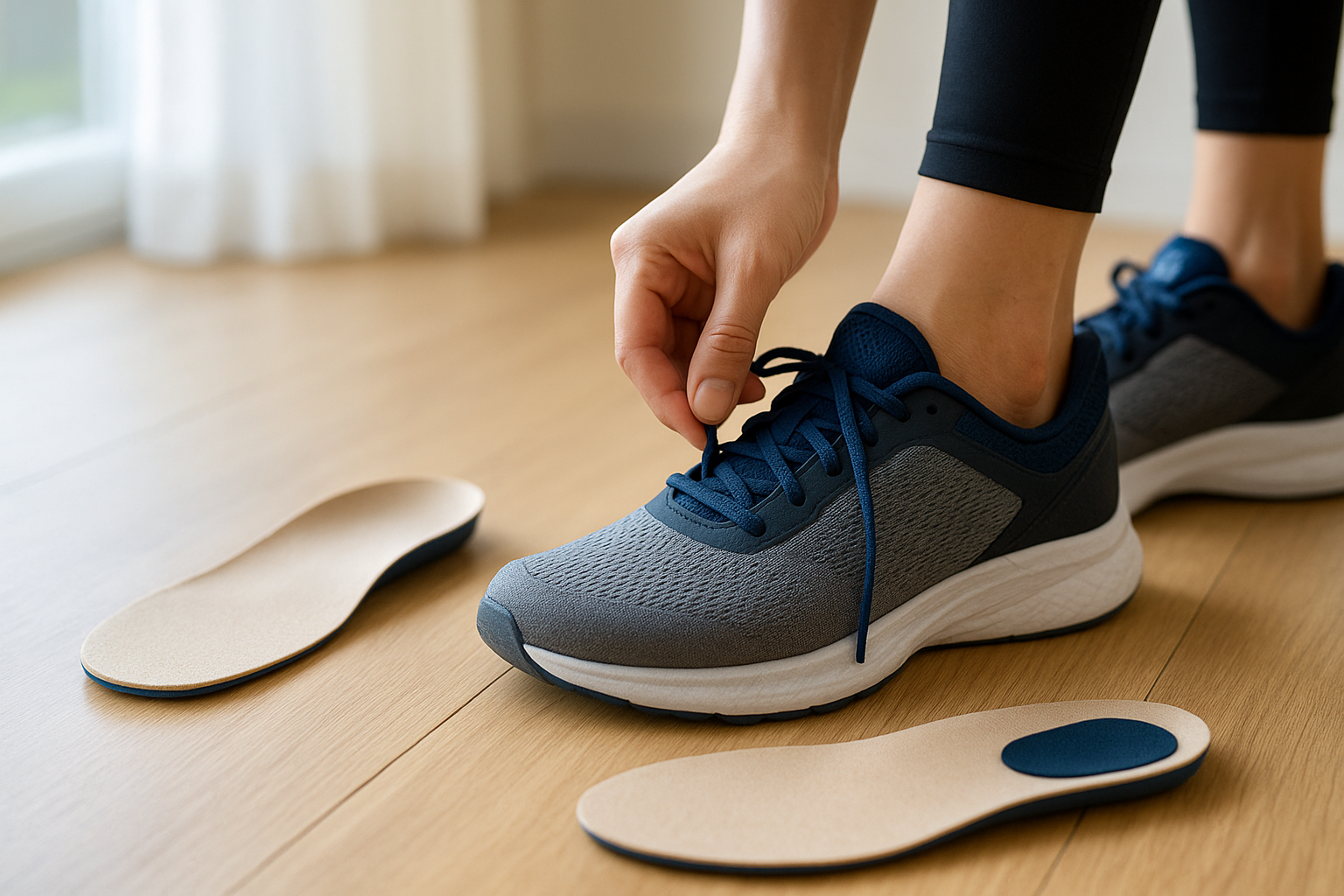
A proper fit is the final step before high-performance custom orthotics deliver lasting comfort.
The Bottom Line on High-Performance Custom Orthotics
In summary, high-performance custom orthotics stand apart because they are molded to your exact foot shape, built with clinically appropriate materials, and fitted under podiatrist supervision rather than guesswork. Consequently, they address the biomechanical root cause of pain instead of simply cushioning symptoms. Whether you are managing plantar fasciitis, overpronation, or a sports injury, choosing a device built from your own mold gives you the best chance at lasting relief. If you are ready to explore whether high-performance custom orthotics are right for you, a complimentary consultation through customorthotics.com is a practical first step toward healthier, pain-free feet.