

Insoles for arch support are specialized shoe inserts designed to cushion, stabilize, and correct the natural curve of the foot, and they can make a real difference for anyone dealing with heel pain, fatigue, or structural foot problems. Whether you stand on concrete floors all day or you are training for a race, however, choosing the right pair is not always straightforward. This guide walks through what arch support insoles actually do, how custom and off-the-shelf options compare, and how to pick a solution built for your feet rather than a generic shoe size.
Quick Answer
Insoles for arch support fill the gap beneath the foot's arch to reduce strain, improve alignment, and ease pain from conditions like plantar fasciitis or flat feet. For lasting relief, a custom-molded orthotic typically outperforms a generic drugstore insert.
What Are Insoles for Arch Support?
Insoles for arch support are shoe inserts contoured to match, cradle, or correct the arch of the foot. Unlike flat factory insoles, they add structure beneath the midfoot so weight is distributed more evenly across the sole. As a result, pressure points that typically cause pain in the heel, ball of the foot, or lower back are reduced.
In particular, arch support becomes important for people with overpronation (when the foot rolls inward too much while walking), flat feet, or unusually high arches. According to the American Podiatric Medical Association, structural foot imbalances are among the most common causes of chronic lower-limb discomfort, which is why supportive insoles are frequently recommended as a first step before more invasive treatment.
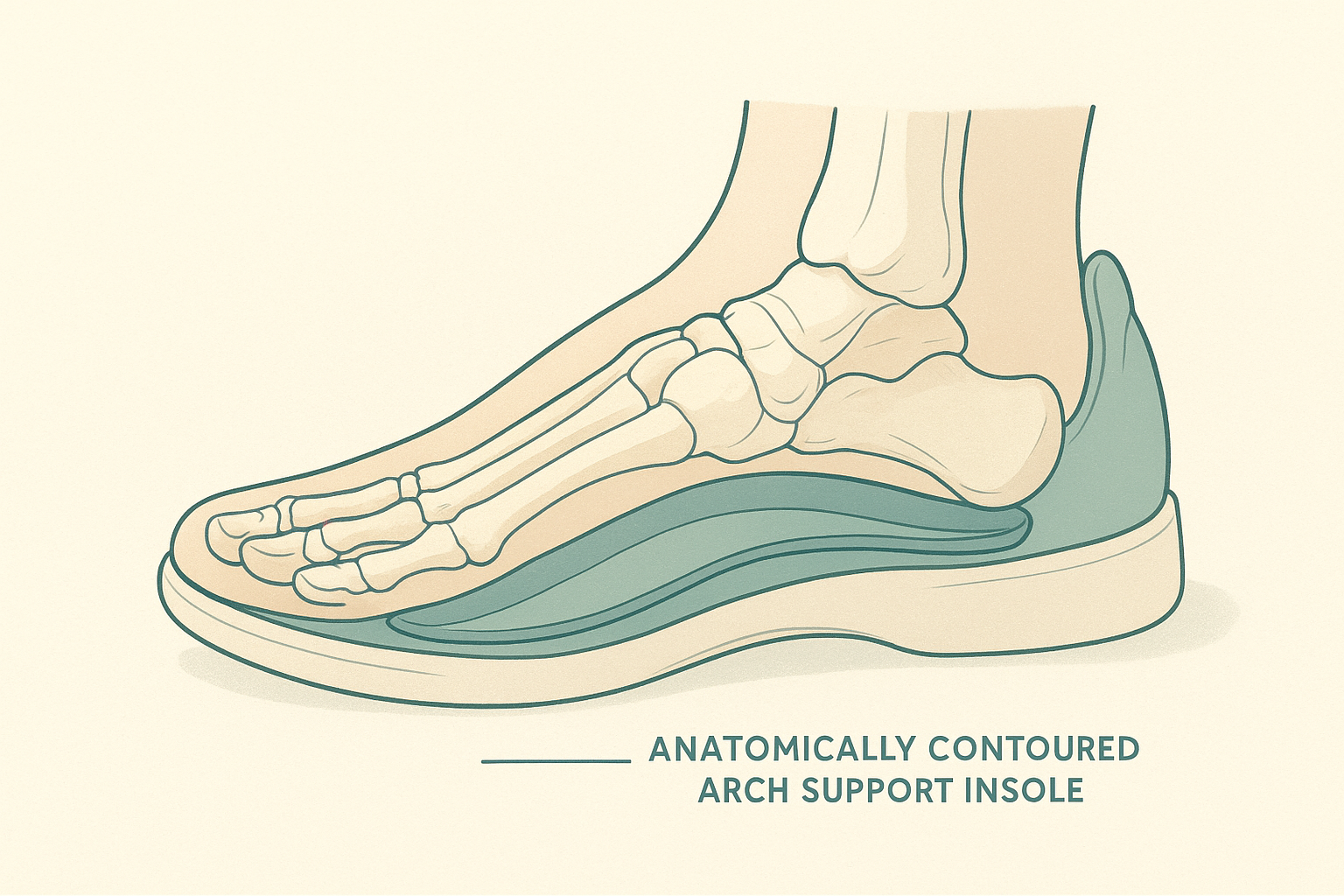
A properly contoured insole supports the arch through every step, easing strain on the plantar fascia.
Why Arch Support Inserts Matter for Foot Health
Without adequate arch support, the plantar fascia—a thick band of tissue running along the bottom of the foot—can become overstretched with every step. Over time, this repetitive strain contributes to plantar fasciitis, one of the leading causes of heel pain in adults.
Furthermore, poor arch support does not stay isolated to the feet. Because the feet form the foundation of posture, misalignment there can travel upward, contributing to knee, hip, and lower back discomfort. Consequently, addressing arch support early often prevents a cascade of related issues later on.
Research published through the National Center for Biotechnology Information notes that flat feet and related arch abnormalities affect a substantial portion of adults, underscoring why supportive footwear and insoles remain a widely used conservative treatment.
Types of Arch Supporting Insoles Available Today
Not all arch support products are built the same way. Broadly, options fall into three categories: soft cushioned insoles for general comfort, semi-rigid insoles that offer moderate correction, and rigid custom orthotics designed for significant structural issues.
If you are simply looking for extra comfort during long shifts on your feet, a soft foam option may be enough. On the other hand, individuals with diagnosed conditions such as plantar fasciitis, bunions, or diabetic foot concerns typically need firmer, more targeted support. For a closer look at which store-bought options perform best, this comparison of premium insoles that provide good arch support breaks down several popular choices.
Off-the-Shelf Insoles vs Custom Orthotic Insoles
Off-the-shelf insoles are mass-produced in a handful of standard sizes, so they approximate arch shape rather than match it exactly. Custom orthotics, in contrast, are fabricated from a mold or scan of an individual's actual foot, which allows for precise correction of specific imbalances.
As a result, custom devices tend to last longer and address root causes rather than simply cushioning symptoms. A detailed breakdown of these differences is available in this guide on how custom foot arch supports compare to regular insoles.
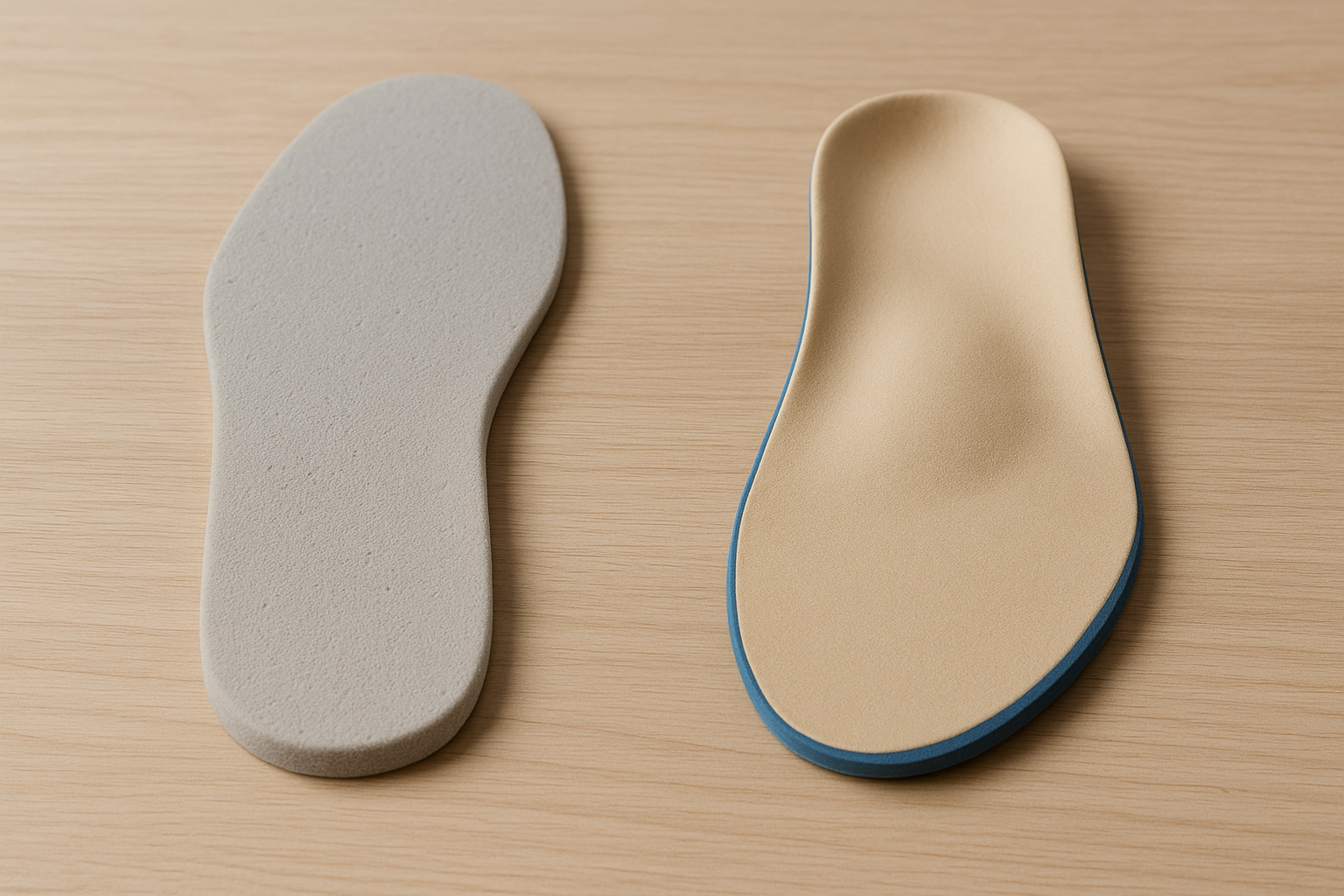
Custom orthotics are shaped from an individual mold, while generic insoles rely on standard sizing.
How to Choose the Right Insoles for Arch Support
Selecting the right insoles for arch support does not have to be complicated if you follow a clear process. Below is a simple five-step approach recommended by podiatric professionals.
- Identify your arch type. Use a simple wet-foot test at home, or ask a podiatrist to determine whether you have flat, neutral, or high arches.
- Test insoles in your actual shoes. Remove the factory insert and check that the new insole fits without crowding your toes or heel.
- Evaluate material and cushioning. Firmer shells suit structural correction, while softer foam suits general all-day comfort.
- Consider a custom molded option. If pain is chronic or recurring, a podiatrist-made orthotic can target the exact cause instead of masking symptoms.
- Break them in gradually. Wear new insoles a few hours daily for the first week before transitioning to full-time use.
For everyday activities like walking, standing at work, or light exercise, this resource on insoles that provide good arch support for daily use offers additional practical recommendations.
Common Mistakes to Avoid When Buying Arch Support Inserts
Many people choose insoles based solely on price or shoe size, which often leads to a poor fit. In particular, skipping a proper foot assessment is one of the most frequent errors, since the wrong arch height can create new pressure points rather than relieving existing ones.
Another common mistake is expecting immediate results. Because feet need time to adjust to new support, switching too quickly between insole types can cause temporary soreness that is mistaken for a bad fit. Similarly, wearing insoles designed for athletic shoes inside dress shoes or sandals often reduces their effectiveness, since the fit and depth are not compatible.
Finally, some shoppers assume all "custom" labels mean the same thing. However, true custom orthotics are molded from an individual's foot, while some products marketed as custom are simply adjustable off-the-shelf inserts.
Custom Orthotics vs Store-Bought Arch Supports: Which Is Right for You?
For mild, occasional discomfort, a quality store-bought insole may provide sufficient relief. However, for chronic conditions such as plantar fasciitis, significant flat feet, or diabetic foot care needs, a podiatrist-fabricated custom orthotic is generally the more effective long-term solution.
customorthotics.com, a podiatrist-owned practice with more than 20 years of experience and an A+ Better Business Bureau rating, fabricates fully custom orthotics from individual foot molds rather than generic templates. Patients can request a complimentary consultation by phone or order directly through the customorthotics.com platform, including options like the 3/4 length orthotics designed for a lower profile fit inside dress and athletic shoes alike.
Notably, ordering does not always require an in-person visit. As explained in this guide on whether insoles for arch support can be ordered online, at-home mold kits now make custom fabrication accessible to patients regardless of location.
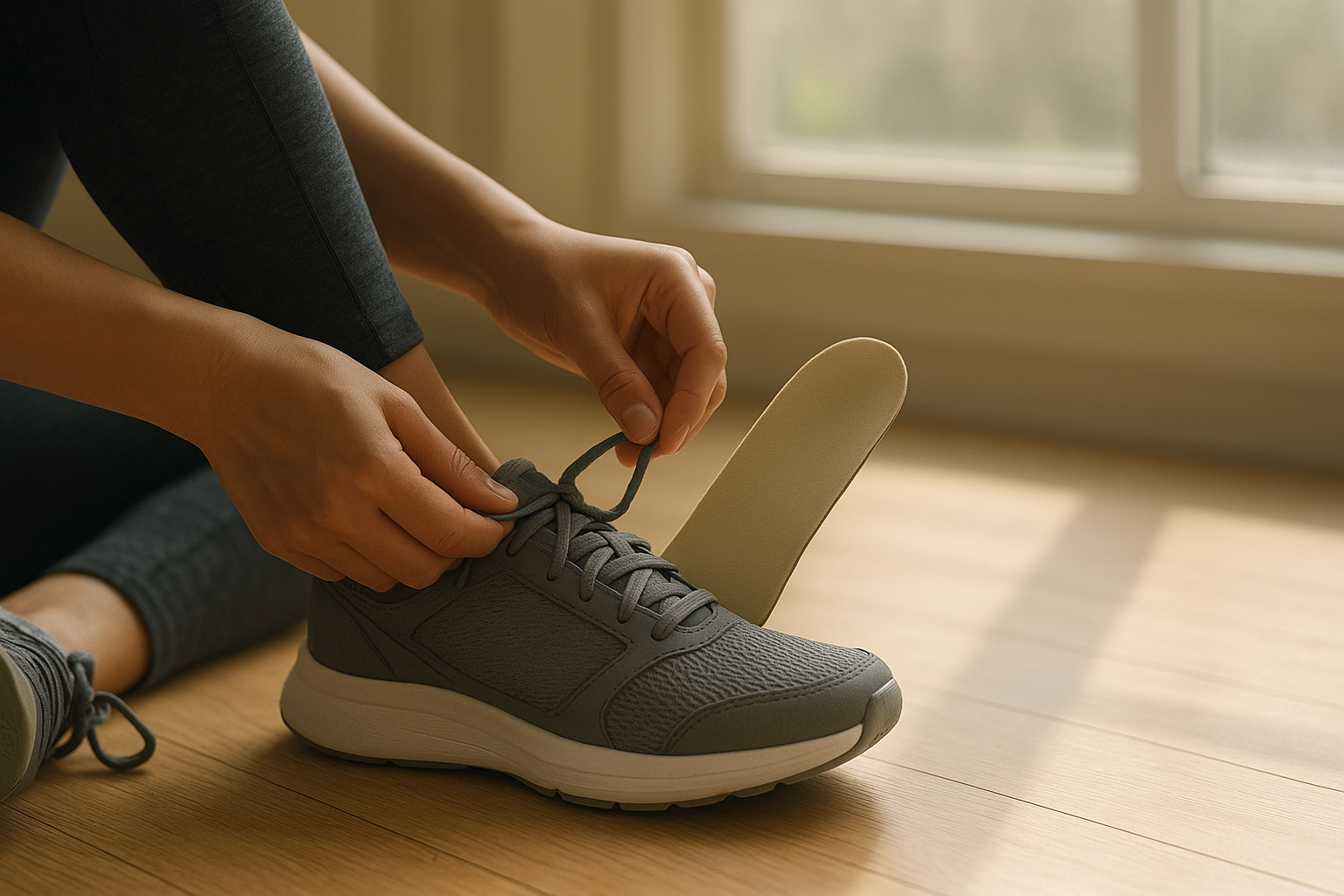
Fitting insoles for arch support correctly into your everyday shoes helps ensure lasting comfort.
Frequently Asked Questions About Insoles for Arch Support
What are insoles for arch support?
Insoles for arch support are shoe inserts shaped to fill the space beneath the foot's natural arch, reducing strain on muscles and ligaments. They help distribute weight evenly and can ease pain caused by flat feet, high arches, or overpronation.
How do I know if I need arch support insoles?
Signs you may need arch support include heel or arch pain after standing, uneven shoe wear, or a visibly flat or overly high arch. A podiatrist can confirm your foot type with a quick physical exam or gait assessment.
What is the difference between custom orthotics and over-the-counter insoles for arch support?
Custom orthotics are molded from an individual's foot shape for a precise, corrective fit, while over-the-counter insoles use generic sizing meant to fit a broad range of feet. Custom options typically last longer and address specific structural issues more effectively.
How much do insoles for arch support cost?
Over-the-counter arch support insoles generally range from $20 to $60 per pair, while custom orthotics typically cost between $200 and $500 depending on materials and complexity. Many patients find the higher upfront cost pays off through durability and targeted relief.
How long does it take to break in new arch support insoles?
Most people need one to two weeks of gradual wear to adjust, starting with a few hours a day. Custom orthotics may require a slightly longer adjustment period since they alter foot alignment more significantly.
Can insoles for arch support fix flat feet?
Insoles for arch support cannot permanently reshape bone structure, but they can significantly reduce the pain and fatigue associated with flat feet by supporting the arch during weight-bearing activity. Consistent use often improves comfort and gait mechanics over time.
What common mistakes do people make when buying arch support inserts?
A common mistake is choosing insoles based on shoe size alone rather than arch type or foot condition. Another frequent error is skipping a proper fitting or professional assessment, which can lead to inserts that worsen discomfort instead of relieving it.
Are insoles for arch support good for plantar fasciitis?
Yes, arch support insoles are commonly recommended for plantar fasciitis because they reduce tension on the plantar fascia ligament during walking and standing. Combined with stretching and proper footwear, they are often a first-line, non-surgical treatment option.
How often should I replace my arch support insoles?
Over-the-counter insoles typically need replacement every six to twelve months as cushioning breaks down. Custom orthotics, built from more durable materials, often last two to five years with proper care.
Can I order custom insoles for arch support online?
Yes, several providers, including podiatrist-led practices, now offer at-home mold kits so patients can order custom insoles for arch support online without an in-person visit. A phone consultation beforehand helps ensure the device matches your specific needs.
Do arch support insoles work in all types of shoes?
Arch support insoles work best in shoes with removable factory insoles and enough depth to accommodate the extra material. Very narrow or minimalist shoes may not have enough room for a full-length insert.
Is it normal for arch support insoles to feel uncomfortable at first?
Mild discomfort during the first few days is normal as your feet adjust to a new position and level of support. However, sharp pain or numbness is not typical and should prompt a check-in with a podiatrist.
Final Thoughts on Choosing the Right Arch Support
Ultimately, insoles for arch support play a meaningful role in preventing and managing foot pain, whether you choose a simple cushioned insert or a fully custom orthotic. In particular, understanding your arch type, testing options in your actual footwear, and avoiding common fitting mistakes will help you find lasting comfort rather than a temporary fix.
For chronic pain or structural imbalances, a podiatrist-fabricated custom device, such as those offered through customorthotics.com, often delivers more targeted and durable results than generic store-bought inserts. Above all, taking the time to choose the right support today can spare your feet, knees, and back unnecessary strain for years to come.