

Custom orthotics are individually prescribed shoe inserts fabricated from a precise mold or digital scan of your foot. They are engineered to correct biomechanical imbalances, redistribute plantar pressure, and deliver targeted relief from chronic pain — including conditions that over-the-counter insoles simply cannot address. If you have been living with heel pain, flat feet, shin splints, or discomfort that travels into your knees and lower back, custom orthotics may be the most direct path to lasting, measurable relief.
This is the most comprehensive guide available on custom orthotics — covering exactly how they work, every clinical type available, the full spectrum of conditions they treat, what the fitting process looks like step by step, what they cost, how insurance works, how to care for them, how they compare to off-the-shelf alternatives, and much more. By the end, you will have everything you need to make a confident, informed decision.
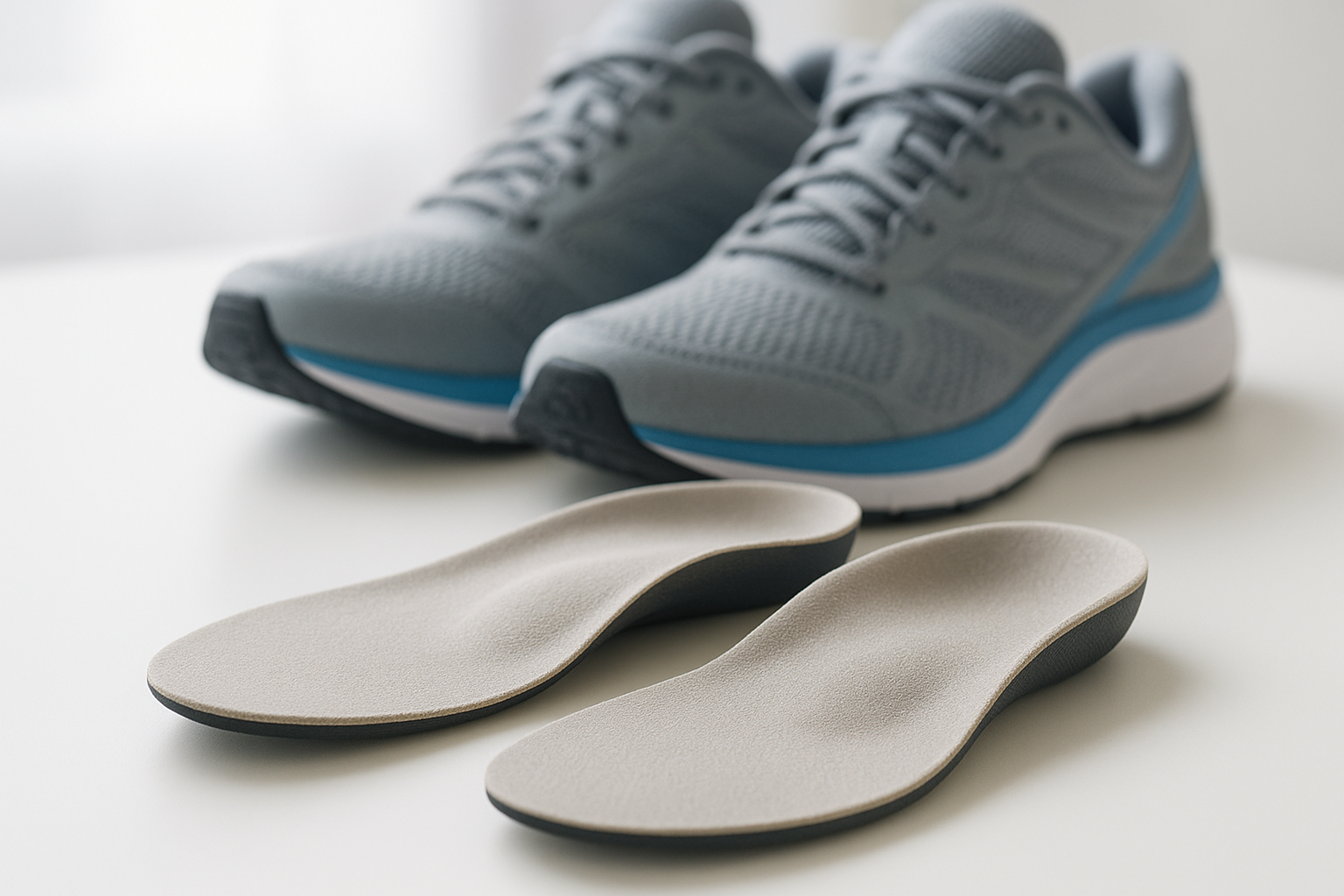
Custom orthotics are precision-crafted to match the unique contours of your feet — unlike any generic insole you can buy off a shelf.
What Are Custom Orthotics and How Do They Work?
Custom orthotics work by fundamentally altering the way mechanical forces travel through your foot during every step you take. Because no two feet share identical arch height, heel alignment, forefoot angle, or gait mechanics, a single generic design cannot correct individual structural deficiencies. A custom device, by contrast, is built from a three-dimensional model of your specific foot — and prescribed to address your exact diagnosis.
The process begins with a licensed podiatrist, orthopedic surgeon, or sports medicine physician analyzing your gait and capturing a three-dimensional impression of your foot. That data — combined with the clinician's prescription — is transmitted to a certified orthotic laboratory. There, trained technicians select the correct shell material, apply the prescribed modifications, and add cushioning layers tuned to your activity level and condition.
The result is a device that controls unwanted motion, supports the arch in its optimal position, and redirects plantar pressure away from painful or vulnerable areas. Crucially, this correction is not limited to the foot itself. Because the foot is the foundation of the entire musculoskeletal kinetic chain, a well-prescribed pair of custom orthotics can produce measurable improvements in ankle alignment, knee tracking, hip positioning, and even lumbar spine mechanics.
According to Wikipedia's clinical overview of orthotics, these devices are routinely used across podiatry, sports medicine, and physical rehabilitation to manage musculoskeletal conditions affecting the lower limb. Research published in peer-reviewed journals consistently demonstrates that custom foot orthotics outperform prefabricated alternatives for conditions involving structural deformity, chronic overuse injury, and neuropathic pressure complications.
Key distinction: Custom orthotics are medical devices fabricated from your individual foot anatomy. They are not "premium insoles." The difference is the same as a tailored suit versus one purchased off a rack — both cover the body, but only one is built for yours.
Custom Orthotics vs. Over-the-Counter Insoles: A Direct Comparison
One of the most common questions people ask before committing to custom orthotics is whether store-bought insoles will do the job. The short answer: for mild general discomfort, prefabricated insoles can provide temporary relief. For structural correction, injury rehabilitation, or any diagnosed foot condition, they fall well short.
For anyone dealing with a diagnosed musculoskeletal condition, the clinical precision of custom orthotics delivers value that OTC products simply cannot replicate. Over a two-to-five-year lifespan, a custom pair often costs less per month than the cycle of replacing cheap insoles every few months — while actually addressing the root cause.
The Five Main Types of Custom Orthotics Explained
Custom orthotics are not a single product — they are a family of clinically distinct devices, each designed for a different combination of condition, activity level, and footwear. Understanding the differences helps you have a more informed conversation with your specialist at your first appointment.
1. Rigid (Functional) Orthotics
Fabricated from firm materials like carbon fiber or high-density polypropylene. Rigid orthotics are the gold standard for motion control — they prevent excessive pronation (inward rolling) or supination (outward rolling) by holding the foot in its biomechanically neutral position. Commonly prescribed for flat feet, adult-acquired flatfoot deformity, and overpronation-driven knee pain. Best suited for dress shoes, walking shoes, and low-profile athletic footwear.
2. Semi-Rigid (Sport) Orthotics
Constructed from alternating layers of firm and flexible materials — typically a polypropylene shell with EVA foam or cork cushioning above and below. These provide biomechanical guidance while allowing enough flex for athletic movement. They are the most frequently prescribed type for runners, cyclists, and court sport athletes who need both control and dynamic responsiveness. Semi-rigid orthotics are highly versatile and appropriate for most active patients.
3. Soft (Accommodative) Orthotics
Made from compressible, shock-absorbing foams and padding. Soft orthotics prioritize offloading painful areas, reducing plantar pressures, and absorbing impact rather than correcting biomechanical motion. They are the preferred choice for diabetic foot care (to prevent pressure ulcers), severe arthritis, and elderly patients. Because they compress over time, soft orthotics typically require more frequent replacement than rigid or semi-rigid devices.
4. Pediatric Orthotics
Designed specifically for children's developing musculoskeletal systems. Pediatric orthotics are prescribed for conditions including flexible flatfoot, in-toeing, out-toeing, and gait abnormalities associated with hypermobility or cerebral palsy. Because children's feet grow rapidly — typically changing one to two sizes per year before adolescence — these orthotics must be remolded and refabricated every one to two years to remain effective and safe.
5. Dress and Slim-Profile Orthotics
Thinner and lower-profile versions designed to fit inside dress shoes, loafers, and other footwear with limited depth. While they sacrifice some corrective capacity compared to full-length devices, properly engineered dress orthotics can still provide meaningful arch support and heel control. They are increasingly popular among professionals who cannot wear athletic footwear during working hours but require orthotic support throughout the day.
Your specialist will match the orthotic type to your diagnosis, body weight, activity level, and preferred footwear. In many cases, patients benefit from two pairs — one semi-rigid device for athletic use and one dress or accommodative device for work — because no single orthotic performs optimally across every shoe type.
Conditions Treated by Custom Orthotics
Custom orthotics are prescribed across a broad spectrum of foot, ankle, knee, hip, and back conditions. The unifying factor is that all of these conditions are driven — at least in part — by abnormal foot mechanics, excessive plantar pressure, or structural misalignment that begins at the ground and propagates up the kinetic chain.
Foot and Ankle Conditions
- Plantar fasciitis — The most common indication. Custom orthotics offload the plantar fascia insertion point at the heel while supporting the medial arch to reduce tissue tension during gait.
- Flat feet (pes planus) — Rigid or semi-rigid orthotics restore the arch's structural integrity, preventing the midfoot collapse that causes widespread secondary pain.
- High arches (pes cavus) — Soft or semi-rigid orthotics distribute pressure across the entire plantar surface rather than concentrating it at the heel and ball of the foot.
- Heel spurs — A deep heel cup in the orthotic shell unloads the spur and surrounding inflamed tissue.
- Achilles tendinopathy — A slight heel lift built into the orthotic reduces tensile load on the Achilles tendon during stance phase.
- Bunions (hallux valgus) — Orthotics prevent the forefoot pronation that accelerates bunion progression and reduces first metatarsophalangeal joint pain.
- Metatarsalgia — A metatarsal pad positioned proximal to the metatarsal heads redistributes pressure away from the painful forefoot region.
- Morton's neuroma — Similar to metatarsalgia management; metatarsal pads reduce interdigital nerve compression between the third and fourth toes.
- Posterior tibial tendon dysfunction (PTTD) — Rigid medial arch support prevents progressive flatfoot collapse caused by PTTD, the primary adult cause of acquired flat foot.
- Overpronation and supination — Corrective posting in the rearfoot and forefoot sections controls abnormal foot motion throughout the gait cycle.
Knee, Hip, and Lower Back Conditions
- Patellofemoral pain syndrome (runner's knee) — Correcting foot pronation realigns the patella's tracking path, reducing anterior knee pain during activity.
- Iliotibial band syndrome — Controlling excessive rearfoot eversion reduces the internal tibial rotation that strains the IT band at the lateral knee.
- Shin splints (medial tibial stress syndrome) — Shock-absorbing orthotics reduce ground reaction forces transmitted through the tibia, accelerating recovery and preventing recurrence.
- Hip imbalances and leg length discrepancy — A heel lift or full-length elevation built into one orthotic corrects functional leg length differences, reducing compensatory hip and lumbar stress.
- Chronic lower back pain — Addressing foot pronation and its resulting pelvic tilt can meaningfully reduce mechanical low back pain in patients whose symptoms have a biomechanical origin.
Systemic and Special-Population Conditions
- Diabetic neuropathy and foot ulcer prevention — Soft accommodative orthotics are essential for patients with peripheral neuropathy to prevent pressure-related ulcerations that can become limb-threatening.
- Rheumatoid arthritis — Custom orthotics reduce joint loading across affected metatarsophalangeal joints, improving ambulation and reducing pain during flare periods.
- Cerebral palsy and neuromuscular conditions — Ankle-foot orthoses (AFOs) and custom insoles support impaired motor control and prevent deformity progression in children and adults.
- Stress fractures — Shock-absorbing orthotics reduce repetitive impact loading during the rehabilitation period and help prevent recurrence.
- Pregnancy-related foot changes — Hormonal ligament laxity during pregnancy frequently causes arch collapse and plantar pain; custom orthotics provide support as foot morphology changes.
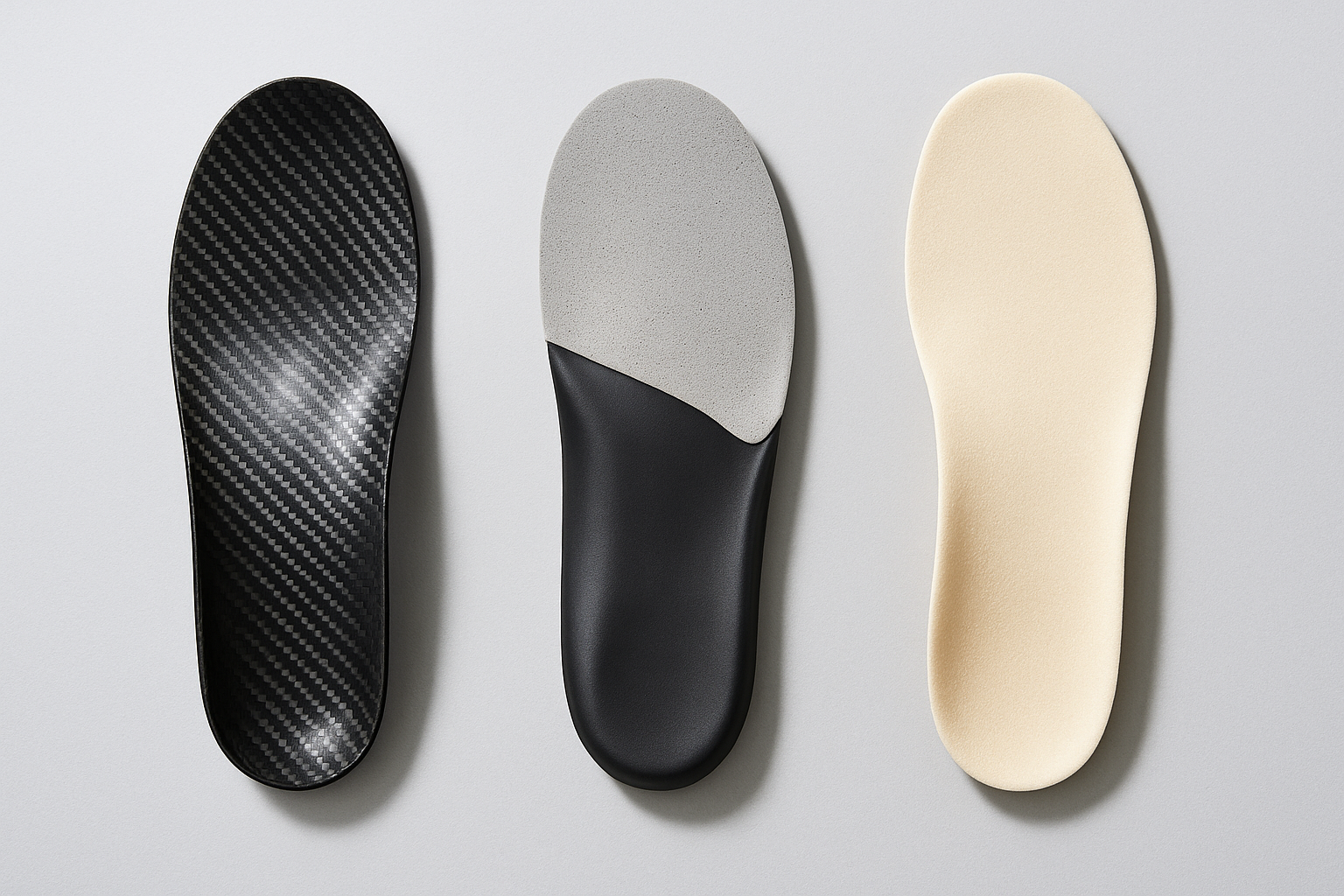
The three primary orthotic types — rigid, semi-rigid, and soft — serve fundamentally different clinical purposes and are selected based on your specific diagnosis and activity level.
How to Get Custom Orthotics: The Complete Step-by-Step Process
Getting custom orthotics is a structured clinical process involving multiple stages. Understanding each step in advance reduces anxiety, helps you prepare the right information, and ensures the end result is as accurate as possible.
Schedule a Specialist Consultation
Book an appointment with a licensed podiatrist, orthopedic surgeon, or sports medicine physician. Bring a list of your symptoms, when they started, which activities aggravate them, and any previous treatments or imaging you have had. The clinician will review your full medical history, assess your footwear, and determine whether custom orthotics are clinically indicated — or whether another treatment approach should come first.
Biomechanical and Gait Assessment
Your specialist will observe your walking pattern on a treadmill or walkway, measure arch height in both weight-bearing and non-weight-bearing positions, and assess the range of motion in your ankle, subtalar joint, and forefoot. Many clinics also use pedobarographic pressure plate systems — sensors embedded in a walkway that map exactly where and how much pressure you exert with each step. This data forms the diagnostic foundation of your prescription.
3D Digital Scan or Plaster Mold Capture
A precise three-dimensional impression of your feet is captured in their subtalar neutral position — the optimal biomechanical alignment. Modern clinics use structured-light or laser 3D scanning systems that capture foot geometry in seconds. Traditional plaster casting and foam box impressions are also still used and produce equally accurate results when performed correctly. The capture method matters less than the skill of the clinician positioning your foot during the scan or cast.
Laboratory Fabrication
Your foot scan and detailed clinical prescription are sent to a certified orthotic laboratory. Technicians use the prescription to select the appropriate shell material and durometer (stiffness), apply rearfoot and forefoot posting angles, add any required modifications such as metatarsal pads, heel lifts, or cutouts, and apply the top cover material. CAD/CAM (computer-aided design and manufacturing) milling is increasingly common in modern labs, producing highly repeatable results. Standard fabrication takes two to four weeks; expedited turnaround is available at some facilities in as little as five to seven business days.
Fitting, Adjustment, and Break-In Period
At your dispensing appointment, your specialist fits the finished orthotics inside your shoes and evaluates your gait with them in place. Minor adjustments — edge trimming, padding additions, heel cup modifications — are made at this visit. A structured break-in schedule is essential: begin with one to two hours of wear on day one, adding one to two hours daily over two weeks until you can wear them all day without fatigue. Skipping this schedule is one of the most common causes of orthotic-related discomfort.
Follow-Up Review at 4–6 Weeks
A follow-up appointment four to six weeks after dispensing allows your clinician to assess your response to the orthotics, address any persistent discomfort, and make any remaining prescription modifications. Research shows that patients who attend follow-up appointments report significantly higher satisfaction and better clinical outcomes than those who do not. Do not skip this step.
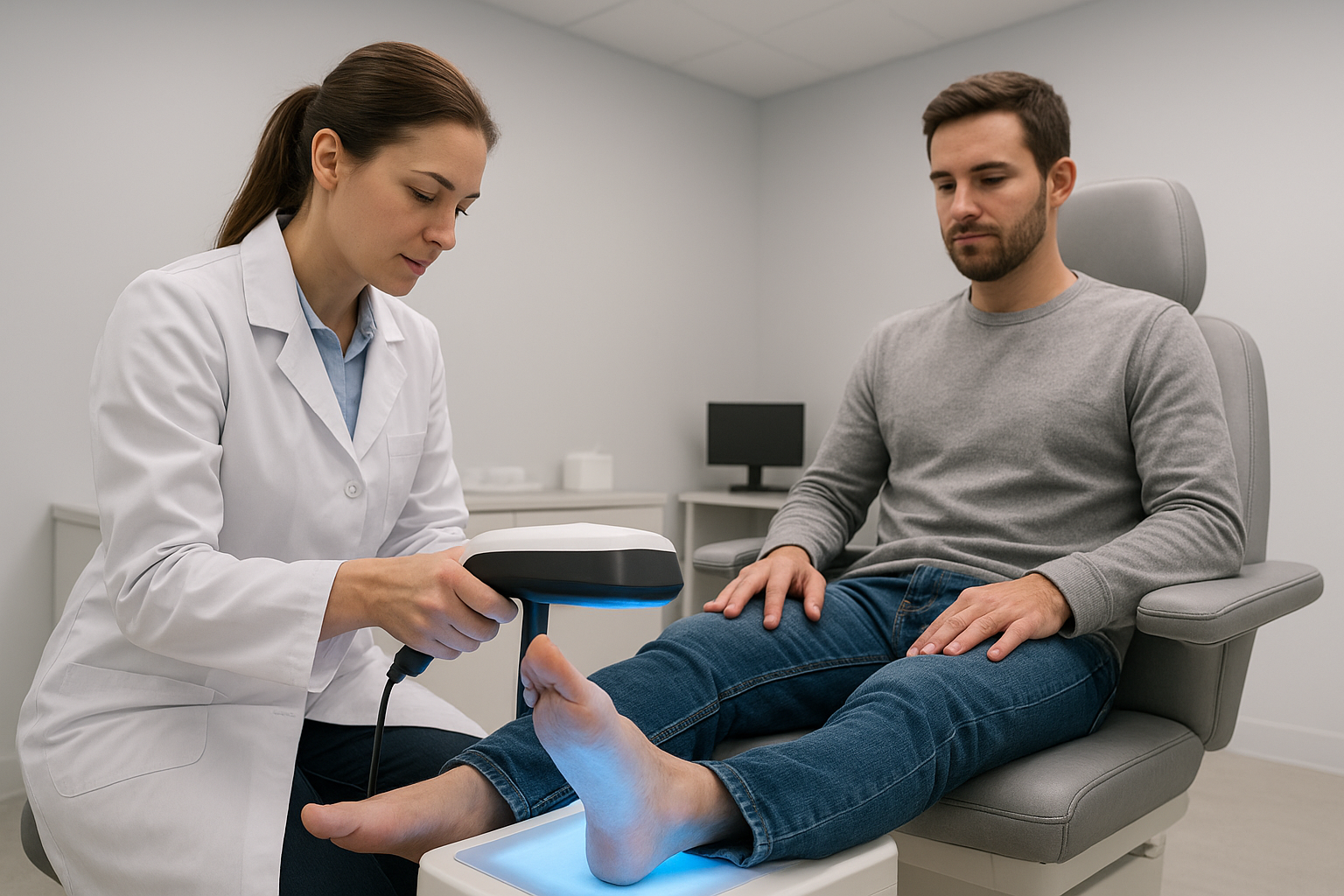
Modern orthotic clinics use 3D digital scanning to capture precise foot geometry — producing more repeatable results than traditional casting methods.
Custom Orthotics Cost: What You Will Actually Pay
The cost of custom orthotics ranges from $200 to $800 per pair in the United States, depending on the type of device, the complexity of your prescription, the materials used, and the clinic or specialist involved. Here is a more detailed breakdown:
- Rigid functional orthotics: $250–$550. The shell material (polypropylene, graphite, carbon fiber) and degree of customization drive cost variation.
- Semi-rigid sport orthotics: $300–$700. Multilayer construction and sport-specific modifications increase fabrication complexity and cost.
- Soft accommodative orthotics: $200–$500. Less structural complexity, but premium diabetic or offloading foam materials can increase cost.
- Pediatric orthotics: $200–$450 per pair, with the expectation of refabrication every one to two years as the child grows.
- Dress or slim-profile orthotics: $250–$600. Thin-profile engineering adds design cost despite the smaller footprint.
The initial consultation fee — typically $100 to $350 depending on the specialist and region — is usually separate from the orthotic fabrication cost. Some clinics bundle the consultation, casting, and fabrication into a single package price, so always ask for an itemized breakdown before committing.
Insurance Coverage for Custom Orthotics
Many private health insurance plans, employer-sponsored benefits plans, and some Medicare Advantage plans cover custom orthotics when all of the following conditions are met:
- A licensed physician or podiatrist writes a formal prescription documenting the medical necessity
- The diagnosis is supported by clinical examination findings and documented in the medical record
- The device is fabricated by a licensed orthotist or a certified orthotic laboratory
- Pre-authorization is obtained from the insurer before fabrication begins (where required)
Traditional Medicare (Part B) covers custom orthotics only in limited circumstances — primarily for diabetic patients with documented peripheral neuropathy and specific foot conditions. FSA (Flexible Spending Account) and HSA (Health Savings Account) funds can almost always be used for custom orthotics when prescribed by a physician, regardless of whether your insurance covers them directly.
Pro tip: Contact your insurer before your first appointment. Ask specifically whether custom foot orthotics (HCPCS code L3000–L3649) are covered under your plan, what documentation is required, whether pre-authorization is needed, and what your maximum benefit per calendar year is. This single phone call can save you hundreds of dollars.
Long-Term Value: Cost Per Day of Wear
A $500 pair of custom orthotics worn daily for three years costs approximately $0.46 per day. That is less than a cup of coffee, for a medical device that eliminates chronic pain, protects your joints, and may prevent surgery. Over-the-counter insoles replaced every four months at $40 per pair cost more over the same period while delivering no clinical correction. When viewed through a longevity lens, custom orthotics are often the more economical choice.
How Long Do Custom Orthotics Last?
With proper care, custom orthotics last approximately two to five years. The lifespan varies significantly based on the following factors:
- Activity level: Runners logging 30+ miles per week will typically need replacements every 18–24 months. Sedentary users may get five or more years from a single pair.
- Body weight: Higher body weight accelerates compression of cushioning layers and fatigue of shell materials.
- Orthotic type: Rigid carbon fiber devices have the longest lifespan (4–6 years). Soft foam orthotics compress most quickly and may need replacement every 12–18 months.
- Footwear use: Wearing orthotics in multiple shoe types — some of which may not fit well — accelerates edge wear and delamination of cover material.
- Significant body changes: Weight gain or loss exceeding 20–30 lbs, pregnancy, or significant changes in foot structure (e.g., from surgery) warrant reassessment even before the device shows mechanical wear.
Signs Your Custom Orthotics Need Replacement
- Return of symptoms that were previously resolved
- Visible cracking, delamination, or permanent compression of the shell or top cover
- The orthotic no longer sits flat inside the shoe or rocks excessively
- The cover material has worn through, creating hard contact points against the foot
- Your gait or foot structure has changed significantly since the original mold was taken
Caring for Your Custom Orthotics
Proper maintenance extends the functional life of your orthotics and ensures they continue performing as prescribed. Follow these guidelines:
- Clean regularly: Wipe the top cover with a damp cloth and mild soap after activities that cause sweating. Allow to air dry completely before returning to shoes — never use a dryer, microwave, or direct heat source, which can warp the shell.
- Remove when not in use: Take orthotics out of shoes at the end of each day to allow both the device and the shoe to air out and recover their shape.
- Alternate between pairs: If you own two pairs, rotating between them daily extends the life of both by allowing the cushioning materials to decompress overnight.
- Store properly: Keep orthotics away from prolonged direct sunlight and extreme heat, which can cause polypropylene shells to soften and lose their corrective geometry.
- Inspect periodically: Examine your orthotics monthly for signs of cracking, delamination, or excessive wear. Early detection of material failure prevents skin irritation and maintains correction efficacy.
What Shoes Work Best With Custom Orthotics?
Custom orthotics function best in footwear that provides a supportive, stable platform — not the footwear itself that corrects the problem, but one that allows the orthotic to perform as prescribed without interference. Key criteria for orthotic-compatible footwear include:
- Removable footbed: Essential. The factory insole must be removed before inserting the orthotic to maintain appropriate depth inside the shoe.
- Sufficient depth (volume): The shoe must accommodate the combined thickness of the orthotic shell and the foot without creating painful pressure at the toe box or instep.
- Firm heel counter: A rigid heel counter stabilizes the rearfoot and prevents the shoe from collapsing around the orthotic's corrective posting.
- Low-to-moderate heel drop: Shoes with heel drops between 4 mm and 12 mm are generally most compatible with standard prescription orthotics.
- Minimal torsional flex: Shoes that twist easily in the midfoot undermine the mechanical correction provided by a rigid or semi-rigid orthotic.
Best footwear categories for custom orthotics: Running shoes, walking shoes, cross-training shoes, hiking boots, work boots, and supportive casual sneakers. Most brands in the "motion control" and "stability" running shoe categories are designed with removable insoles and adequate depth.
Footwear that does not work well: Minimalist or zero-drop running shoes (insufficient depth and no heel counter), fashion heels higher than 2 inches (alter the foot position the orthotic was designed for), flip-flops (no structure to hold the orthotic in place), and narrow-toed dress shoes (insufficient forefoot volume).
Common Mistakes That Undermine Your Orthotics
Even a perfectly prescribed pair of custom orthotics can fail to deliver results if used incorrectly. These are the most common mistakes patients make — and how to avoid them:
- Skipping the break-in period. Wearing your orthotics for a full day immediately is the single most common mistake. The new corrective position stresses muscles and tendons that have adapted to your uncorrected mechanics. Always start with one to two hours per day and increase gradually.
- Using them in incompatible footwear. Inserting custom orthotics into shoes without removable insoles, or shoes with insufficient depth, creates pressure points and prevents the device from seating correctly.
- Skipping the follow-up appointment. Minor prescription errors or fit issues identified at the four-to-six week follow-up are easily corrected. Left unaddressed, they can cause ongoing discomfort and lead patients to incorrectly conclude that orthotics do not work for them.
- Using orthotics beyond their functional lifespan. Worn-out orthotics that have lost their structural integrity may still feel comfortable while providing no corrective benefit — and in some cases can promote asymmetrical loading patterns.
- Self-prescribing based on online assessments. Biomechanical analysis requires a trained clinician. Online foot assessments and at-home molding kits cannot replicate the diagnostic accuracy of a in-person gait analysis and subtalar neutral casting by a licensed podiatrist.
- Expecting instant results. Most patients notice meaningful improvement within four to eight weeks. Structural conditions that have been present for years may take longer to respond. Patience and consistent wear are essential.
Custom Orthotics for Specific Populations
Custom Orthotics for Athletes and Runners
Athletes place extraordinary demands on their feet — forces during running can reach two to three times body weight with every stride. Semi-rigid sport orthotics are engineered to manage these loads while maintaining the dynamic responsiveness required for performance. They are commonly used to treat and prevent plantar fasciitis, shin splints, IT band syndrome, stress fractures, and patellofemoral pain in runners, triathletes, soccer players, and basketball players. Research has demonstrated that custom orthotics reduce the incidence of lower-extremity overuse injuries in military recruits and distance runners when introduced alongside appropriate training load management.
Custom Orthotics for Diabetic Patients
For patients with diabetic peripheral neuropathy, custom orthotics are not a comfort enhancement — they are a clinical necessity. Neuropathy eliminates the protective sensation that normally warns of excessive pressure. Without offloading, high-pressure areas beneath bony prominences develop calluses, skin breakdown, and eventually ulcerations. Diabetic custom orthotics use multi-density foam layering to distribute plantar pressure evenly, eliminate peak-pressure hot spots, and incorporate accommodative cutouts beneath at-risk areas. Medicare Part B covers therapeutic footwear including custom insoles for qualifying diabetic patients under the Therapeutic Shoe Bill (Section 4149 of OBRA '87).
Custom Orthotics for Children
Children's foot development is dynamic and highly responsive to orthotic intervention — which is both an advantage and a complication. Pediatric flexible flatfoot is extremely common and often resolves without treatment as arch development continues through age eight to ten. However, children who experience pain, fatigue, or gait abnormalities associated with flatfoot or other structural conditions can benefit significantly from custom orthotic support. Because foot dimensions change rapidly in childhood, parents should expect to have their child's orthotics remolded every one to two years throughout the growth period.
Custom Orthotics for Older Adults
Aging brings increased fat pad atrophy beneath the heel and metatarsal heads, progressive ligament laxity, reduced ankle dorsiflexion range of motion, and higher prevalence of arthritis. Custom orthotics for older adults typically combine soft accommodative cushioning for shock absorption and pressure redistribution with enough structural support to maintain safe, stable ambulation. Research supports the use of custom orthotics in reducing fall risk in older adults by improving proprioceptive feedback and balance stability.
Are Custom Orthotics Worth the Investment?
For the right patient, properly prescribed custom orthotics deliver compelling returns. They eliminate or substantially reduce chronic pain, improve functional mobility, reduce the risk of long-term joint degeneration, and in the case of diabetic patients, prevent complications that can cost orders of magnitude more than the orthotic itself. A high-quality, well-fitted pair is one of the most cost-effective interventions in musculoskeletal medicine when the clinical indication is correct.
Custom orthotics are not the right first response for every foot complaint. Many conditions respond equally well to stretching protocols, physical therapy, footwear modification, or short-term use of quality prefabricated insoles. The critical step is obtaining an accurate diagnosis from a qualified clinician — not self-diagnosing from an online symptom checker.
If a licensed specialist confirms that custom orthotics are clinically indicated for your condition, the evidence strongly supports making the investment. The key factors for success are: a thorough biomechanical assessment, accurate foot impression capture, a precise laboratory prescription, appropriate footwear selection, and consistent follow-up. When all of these elements align, custom orthotics reliably produce lasting, meaningful outcomes.
Conclusion
Custom orthotics represent one of the most targeted and evidence-based tools in foot and lower limb care. Because they are built around your individual anatomy, gait mechanics, and clinical diagnosis, they deliver a level of biomechanical correction that no generic product can replicate. Whether you are a competitive athlete managing a running injury, a diabetic patient protecting at-risk tissue, a child with a developing flatfoot, or an office worker dealing with years of chronic heel pain — the right pair of custom orthotics, properly prescribed and consistently worn, can profoundly change how you move and how you feel every day.
The first step is booking a consultation with a qualified podiatrist or orthopedic specialist. Everything else follows from there.
Frequently Asked Questions About Custom Orthotics
What are custom orthotics?
Custom orthotics are individually prescribed shoe inserts fabricated from a three-dimensional mold or digital scan of your foot. Unlike mass-produced over-the-counter insoles, they are engineered to address your unique arch structure, gait pattern, and specific biomechanical imbalances — and are prescribed by a licensed podiatrist, orthopedic surgeon, or sports medicine physician.
How are custom orthotics different from store-bought insoles?
Store-bought insoles are manufactured in generic sizes and provide only generalized cushioning or arch profiling. Custom orthotics are fabricated from a precise mold of your individual foot, addressing your exact arch height, heel alignment, forefoot angle, and biomechanical diagnosis. They last two to five years, compared to three to six months for most OTC products, and are the only option that provides genuine structural correction.
What conditions can custom orthotics treat?
Custom orthotics treat a wide spectrum of conditions including plantar fasciitis, flat feet (pes planus), high arches (pes cavus), heel spurs, Achilles tendinopathy, bunions, metatarsalgia, Morton's neuroma, posterior tibial tendon dysfunction, shin splints, patellofemoral pain syndrome, IT band syndrome, hip imbalances, chronic lower back pain, diabetic neuropathy, rheumatoid arthritis, and pediatric gait abnormalities.
How long does it take to get custom orthotics?
From your initial consultation to receiving the finished custom orthotics typically takes two to four weeks. This includes time for the clinical assessment and foot impression capture (one appointment), laboratory fabrication (10–20 business days), and a dispensing appointment for fitting. Some clinics offer expedited fabrication in five to seven business days at additional cost.
How long do custom orthotics last?
With proper care, custom orthotics typically last two to five years. Rigid carbon fiber devices often last four to six years. Soft accommodative orthotics may need replacement every 12–18 months due to foam compression. High-mileage athletes and patients with significant body weight changes typically need earlier replacement than sedentary users.
Are custom orthotics covered by insurance?
Many private insurance plans and some Medicare Advantage plans cover custom orthotics when prescribed by a licensed physician for a documented medical condition. Traditional Medicare Part B covers them primarily for qualifying diabetic patients. FSA and HSA funds can generally be used for physician-prescribed custom orthotics. Always call your insurer to confirm coverage, ask about pre-authorization requirements, and obtain the relevant HCPCS billing codes (L3000–L3649) before your appointment.
How much do custom orthotics cost?
Custom orthotics typically cost between $200 and $800 per pair without insurance. Rigid orthotics range from $250–$550; semi-rigid sport orthotics from $300–$700; soft accommodative orthotics from $200–$500. The initial consultation fee ($100–$350) is usually billed separately. When amortized over their lifespan, custom orthotics often cost less per day than repeatedly replacing cheap OTC insoles.
Do custom orthotics hurt at first?
Mild muscle fatigue and a sensation of unusual pressure are normal during the first one to two weeks. This occurs because the orthotic is repositioning your foot into its corrected biomechanical alignment, which stresses muscles and tendons accustomed to your previous gait pattern. Follow the prescribed break-in schedule — starting at one to two hours per day and increasing gradually. Persistent sharp pain, skin irritation, or worsening symptoms should be reported to your provider immediately.
Can children use custom orthotics?
Yes. Children benefit from custom orthotics for conditions including flexible flatfoot, in-toeing, out-toeing, growing pains, and gait abnormalities associated with hypermobility or neuromuscular conditions. Because children's feet grow rapidly, orthotics typically need to be remolded and refabricated every one to two years throughout the growth period.
What types of custom orthotics are available?
The five main types are: rigid (functional) orthotics for motion control; semi-rigid (sport) orthotics for athletic biomechanical guidance; soft (accommodative) orthotics for pressure redistribution and diabetic care; pediatric orthotics for growing feet; and dress or slim-profile orthotics for low-depth footwear. Your specialist will recommend the appropriate type based on your specific diagnosis, activity level, and footwear.
Who prescribes custom orthotics?
Custom orthotics are most commonly prescribed by podiatrists, orthopedic surgeons, and sports medicine physicians. Physical therapists, physiatrists, and chiropractors may also recommend and facilitate them in certain clinical settings and jurisdictions. The prescribing clinician must document the medical necessity for insurance coverage purposes.
Can I wear custom orthotics in any shoe?
Custom orthotics work best in shoes with a removable factory insole, sufficient depth, a firm heel counter, and low-to-moderate heel drop. Athletic sneakers, running shoes, walking shoes, and supportive work boots are ideal. They do not function well in minimalist or zero-drop shoes, fashion heels over 2 inches, narrow-toed dress shoes, or flip-flops.
What is the step-by-step process for getting custom orthotics?
The process involves six steps: (1) specialist consultation to confirm clinical indication; (2) biomechanical and gait assessment including pressure plate analysis; (3) 3D digital scan or plaster mold capture in subtalar neutral position; (4) laboratory fabrication using CAD/CAM milling or traditional techniques over 2–4 weeks; (5) fitting and dispensing appointment with a structured break-in schedule; and (6) a follow-up review at 4–6 weeks to assess response and make any prescription modifications.
How should I care for my custom orthotics?
Wipe the top cover with a damp cloth and mild soap after sweaty activities and allow them to air dry completely. Remove them from shoes when not in use. Store away from direct sunlight and heat. Never use a dryer or microwave. Inspect monthly for cracking, delamination, or cover wear-through. Rotate between two pairs if available to extend the life of both.
Are custom orthotics worth it compared to over-the-counter insoles?
For diagnosed musculoskeletal conditions, structural deformities, diabetic foot care, or chronic pain that has not responded to conservative measures, custom orthotics consistently outperform OTC insoles in clinical outcomes. For mild general foot fatigue without structural pathology, a quality prefabricated insole may be sufficient as a first step. The decision should be guided by a clinical assessment — not marketing claims on either side.